How to Handle Destructive Behaviour in Dogs
If your dog is chewing furniture, scratching doors or ripping up your favourite shoes, it can feel frustrating, exhausting and sometimes overwhelming.
It’s even harder when you’re not sure why it’s happening, whether it’s boredom, anxiety, or something else entirely and how to actually help.
At Walkies Dog Behaviour and Training, I always start with this: Destructive behaviour isn’t a case of your dog being naughty. It’s communication.
Dogs use behaviour to tell us when something isn’t quite right.
That might be stress, difficulty coping when left alone, unmet needs, pain or a nervous system that is struggling to regulate.
Destruction is often a symptom, not the root cause.
Understanding what’s driving the behaviour is the first step in helping your dog feel calmer, more settled and able to cope.
In this guide, I’ll walk you through examples of destructive behaviour in dogs, why it happens, and how to handle it safely and kindly, all using ethical, science-based methods.
Examples of Destructive Dog Behaviour
Destructive behaviour can take many forms, including:
Chewing furniture, shoes or household items
Digging indoors or in the garden
Scratching doors, walls or floors
Raiding the bin
Ripping cushions or bedding
Eating non-food items such as dirt or stones (pica)
Excessive licking of themselves or objects
While it may sometimes look intentional, research shows that most destructive behaviours are linked to emotional or environmental factors, rather than being simply acts of disobedience. Often, dogs use destructive behaviour as a way to relieve anxiety, release excess arousal or energy, cope with frustration or self-soothe.
In fact, studies suggest that over 70% of dogs display symptoms of anxiety, and 8 out of 10 dogs find it difficult to cope when left alone.
What this highlights is just how common these underlying emotional challenges can be. There is always a reason for behaviour. Simply trying to stop the behaviour rarely leads to lasting change. To make meaningful progress, we need to understand what’s driving the behaviour and support the dog appropriately.
Why Is My Dog Becoming Destructive?
Every dog is different, but destructive behaviour usually develops when a dog is struggling to cope with something in their environment or daily life.
This may include emotional, physical or environmental factors, and often a combination of these.
Here are some key reasons why your dog is becoming destructive:
Separation Anxiety
Separation anxiety is one of the most common causes of destructive behaviour in dogs. It can be especially common in rescue dogs, but it can affect any dog. Your dog may have separation anxiety if they constantly follow you from room to room, struggle to settle when you’re preparing to leave and become distressed when left alone.
Destructive behaviour is often a way of coping with this anxiety. This can become more noticeable or increase in intensity following changes in a dog’s life, such as:
A change in routine
Being left alone more frequently
Moving to a new home
The loss of a person or another pet
Fear
Fear is another common cause of destructive behaviour in dogs.
Loud noises such as fireworks, thunderstorms or other sudden loud noises can trigger a fear response, particularly if a dog doesn’t understand what’s happening or feels unable to escape.
When a dog becomes frightened, their instinct is often to try to get away from the perceived threat. This can lead to behaviours such as scratching at doors, damaging door frames, or attempting to escape through windows.
In these situations, the behaviour isn’t deliberate; it’s a dog trying to keep themselves safe.
Lack of Appropriate Outlets
A large proportion of what we call destructive behaviour is actually natural dog behaviour.
Chewing, digging, and shredding are all normal, species-typical behaviours that dogs are biologically driven to perform.
Problems tend to arise when dogs don’t have appropriate outlets for these behaviours, or when their needs aren’t being fully met.
For example:
A dog who needs to chew may choose furniture if suitable alternatives aren’t available
A dog with a natural desire to dig may dig in the garden
A dog with excess energy may seek an outlet through destructive behaviours
Rather than trying to stop these behaviours entirely, it’s often more effective to redirect them to appropriate, safe outlets while also looking at the wider picture of the dog’s needs and lifestyle.
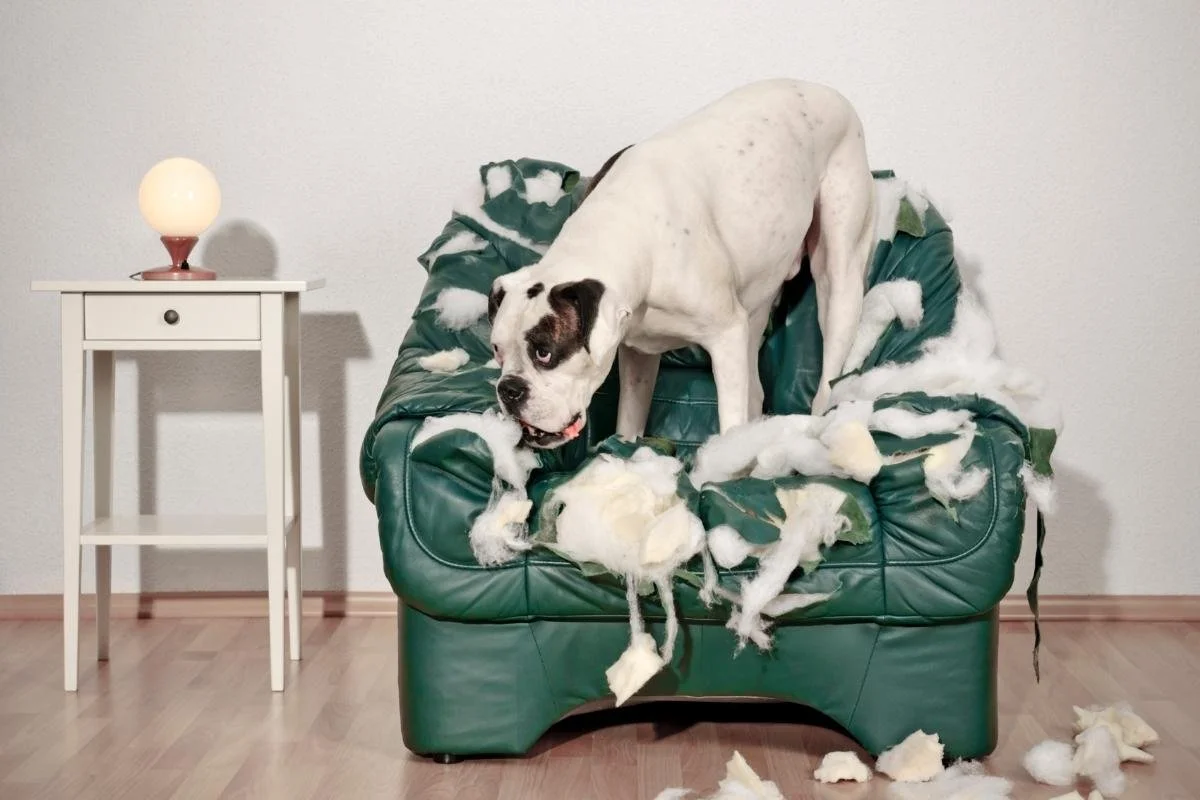
When a dog doesn’t have appropriate ways to express natural behaviours, such as chewing or digging, they may redirect those behaviours onto household items.
If dogs aren’t given safe, suitable outlets, they will often find their own. That’s when shoes, furniture or other items can become the target.
Boredom
Dogs need more than just physical exercise.
They also need opportunities for mental stimulation, interaction and engagement - whether that’s with you, other dogs, or through appropriate toys and outlets.
If these needs aren’t met, they may feel bored and look for ways to occupy themselves. This can sometimes result in behaviours that we label as destructive.
In many cases, this isn’t simply ‘boredom’ but a dog trying to meet unmet needs or regulate their own arousal levels.
Developmental Stages
Puppies, in particular, are more likely to chew and explore with their mouths.
Teething can cause discomfort, and chewing helps to relieve this while also allowing puppies to explore their environment.
This is a normal part of development, but without appropriate guidance and outlets, it can become problematic within the home.
If you’d like support with your puppy or adult dog’s destructive behaviour, you can book a free discovery call to chat things through or explore the behaviour support packages to find the right fit for you.
My behaviour consultations focus on looking at the whole picture and creating a tailored plan to support both you and your dog.
5 Kind, Effective Ways to Handle Destructive Behaviour in Dogs
It’s important not to approach destructive behaviour with punishment or frustration, as this can increase your dog’s anxiety, which can make the behaviour worse.
Instead, we want to understand what the dog needs and support them in a way that helps them feel more settled and able to cope.
Here are 5 tips for handling destructive behaviour kindly and effectively:
1. Meet Your Dog’s Underlying Needs First
The most effective way to reduce destructive behaviour is to make sure your dog’s physical and emotional needs are being met consistently.
Before focusing on training, it’s important to look at the basics:
Sleep: Is your dog getting enough rest? Many dogs need around 16-18 hours of sleep per day, and a lack of rest can significantly impact behaviour.
Movement: Are they getting appropriate exercise for their age and breed? This doesn’t always mean more. Appropriate activity is key.
Enrichment: Does your dog have opportunities to chew, lick, sniff and search? These are natural behaviours that help dogs regulate and feel more settled.
Predictability: Dogs benefit from routine. Having structure to the day can help reduce uncertainty and anxiety.
Many dogs showing destructive behaviour are actually struggling because one or more of these areas isn’t quite right. Providing adequate enrichment opportunities can make a big difference.
2. Promote Safety in Your Environment
Managing destructive behaviour isn’t about avoiding the problem; it’s about preventing rehearsal of the behaviour while your dog learns new skills.
Every time a dog practices a behaviour, it becomes easier for them to repeat it. Management helps reduce those opportunities while you work on the underlying cause.
Start by reducing access to tempting items, such as shoes, cushions or other household objects. Using tools like stair gates can help limit access to certain areas of the home.
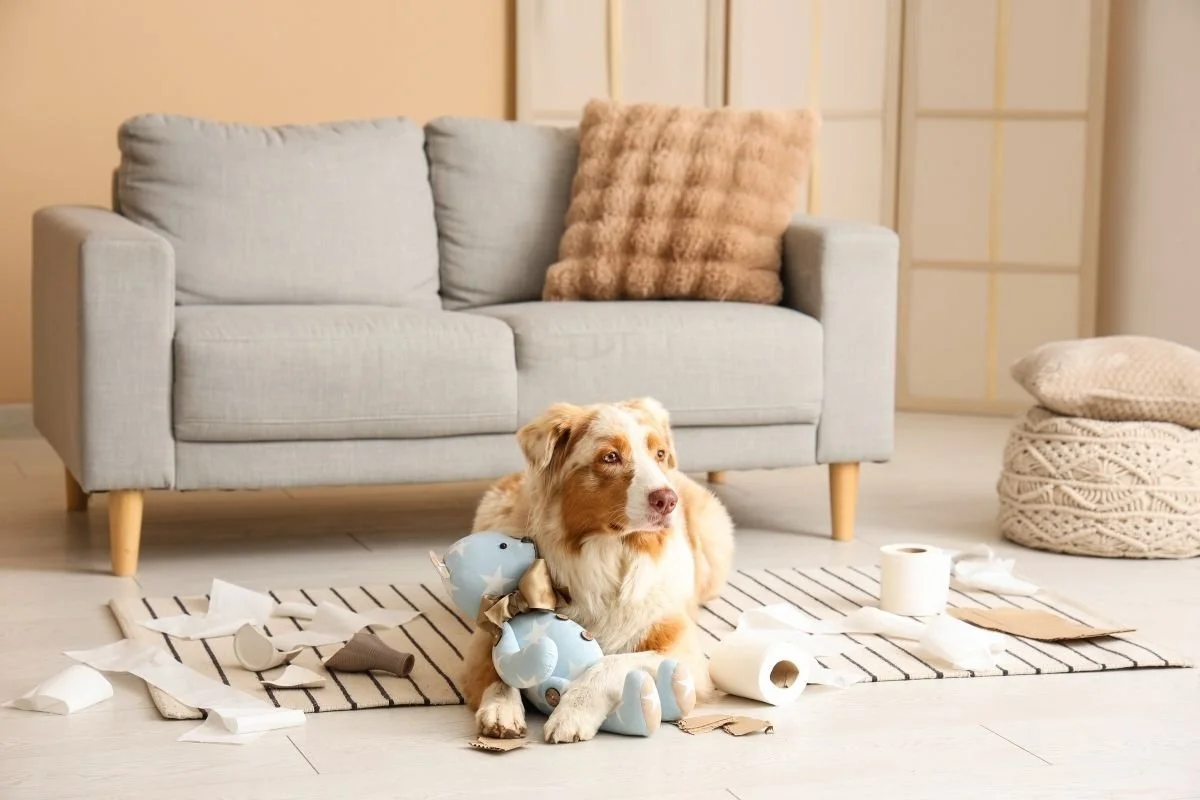
To manage destructive behaviour, prevent rehearsal by keeping tempting items out of reach and ensure your dog has a safe space to play and relax.
Make sure your dog has access to a variety of suitable toys and outlets, so they have appropriate ways to express natural behaviours like chewing and exploring.
Destructive behaviour can sometimes lead to injury or ingestion of harmful items, so good management is just as important as training.
3. Provide Appropriate Outlets for Natural Behaviours
Dogs need to chew, dig, and explore, so it’s important not to try to remove these behaviours entirely. Instead, we want to guide them towards appropriate and safe outlets.
Providing a range of suitable options can make a big difference. This might include safe chews that are suitable for their size and chewing style, enrichment activities that encourage natural behaviours like sniffing, licking and searching. It can also be helpful to provide them with digging opportunities, such as a sandpit or designated garden area.
When dogs have appropriate outlets, the need to destroy household items often naturally reduces.
4. Teach Emotional Regulation
Many destructive behaviours happen when dogs are unable to settle or cope with their environment.
Rather than being purely about ‘excess energy’, these behaviours are often linked to a dog’s ability to regulate their emotions and arousal levels. This essentially includes supporting dogs with the skills they need to learn how to relax and cope with quiet time.
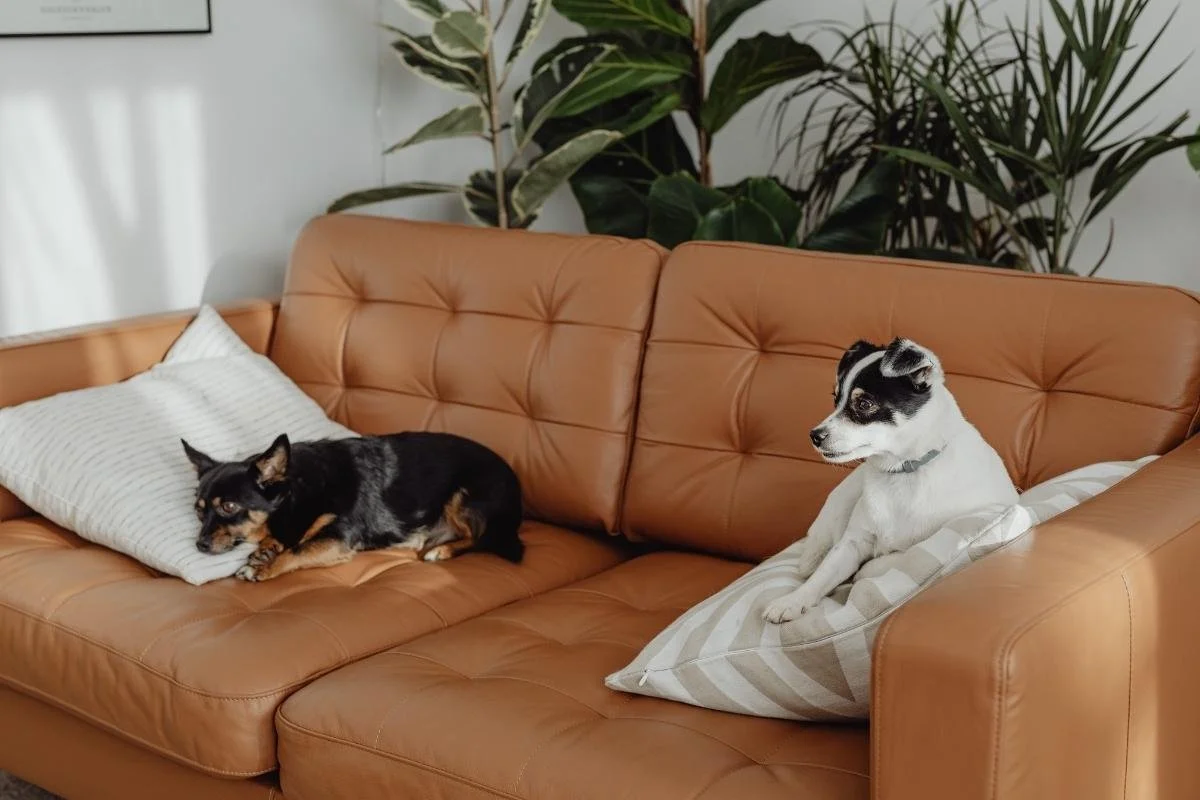
Teaching your dog how to regulate themselves will greatly reduce their destructive behaviour. You can do this by rewarding calm behaviour and keeping routines predictable.
Supporting emotional regulation means helping your dog learn how to:
Relax and switch off
Cope with frustration
Settle during quiet periods
Feel safe in their environment
This isn’t something that happens instantly, but with the right support, dogs can develop these skills over time.
Building calm, predictable routines, allowing for appropriate rest and creating opportunities for low-arousal activities all play an important role.
5. Build Independence Gradually
If your dog is destructive when you’re out, this may be a sign they’re not yet comfortable being left alone, and they need gradual, supportive training to feel safe when alone.
This behaviour is often linked to separation-related distress, rather than boredom. Start with very short periods of separation and build up slowly over time.
It’s important to keep this process within your dog’s comfort level, so they can learn that being alone is safe. If your dog shows signs of stress, it’s a sign to slow things down.
How Walkies Dog Behaviour and Training Can Help
If you’re struggling with destructive behaviour, you don’t have to figure it out on your own.
I’m Vivienne, an Accredited and Certified Dog Behaviourist and Trainer, and I support dogs and their families across Breckland and West Norfolk using kind, evidence-based methods.
Together, we’ll look at the underlying cause of your dog’s behaviour and create a realistic, personalised plan to help your dog feel more settled, and your home feel calmer.
Book a free discovery call with me today to talk through what’s going on and find the right support for you and your dog.
