How Does a Dog Become Reactive? Understanding the Root Causes
If your dog barks, lunges, freezes, or becomes overwhelmed in certain situations, you might find yourself wondering:
“When did this start?”
“How did it get to this point?”
Reactivity can feel sudden and confusing. But in reality, it rarely appears out of nowhere. It usually develops gradually, shaped by a combination of biology, experiences, environment, and emotional responses.
At Walkies Dog Behaviour and Training, I always approach reactivity as an emotional response rather than a behavioural problem. When we understand what’s driving it, we can start to support the dog with an understanding of what is underneath the behaviour.
In this guide, I’ll break down what reactivity really is, what causes it, and what may be going on beneath the surface.
What Is Reactivity in Dogs?
A reactive dog is one who responds quickly and intensely to certain triggers, such as other dogs, people or sounds.
But the most important piece isn’t what the dog is doing; it’s why that reactive behaviour is happening.
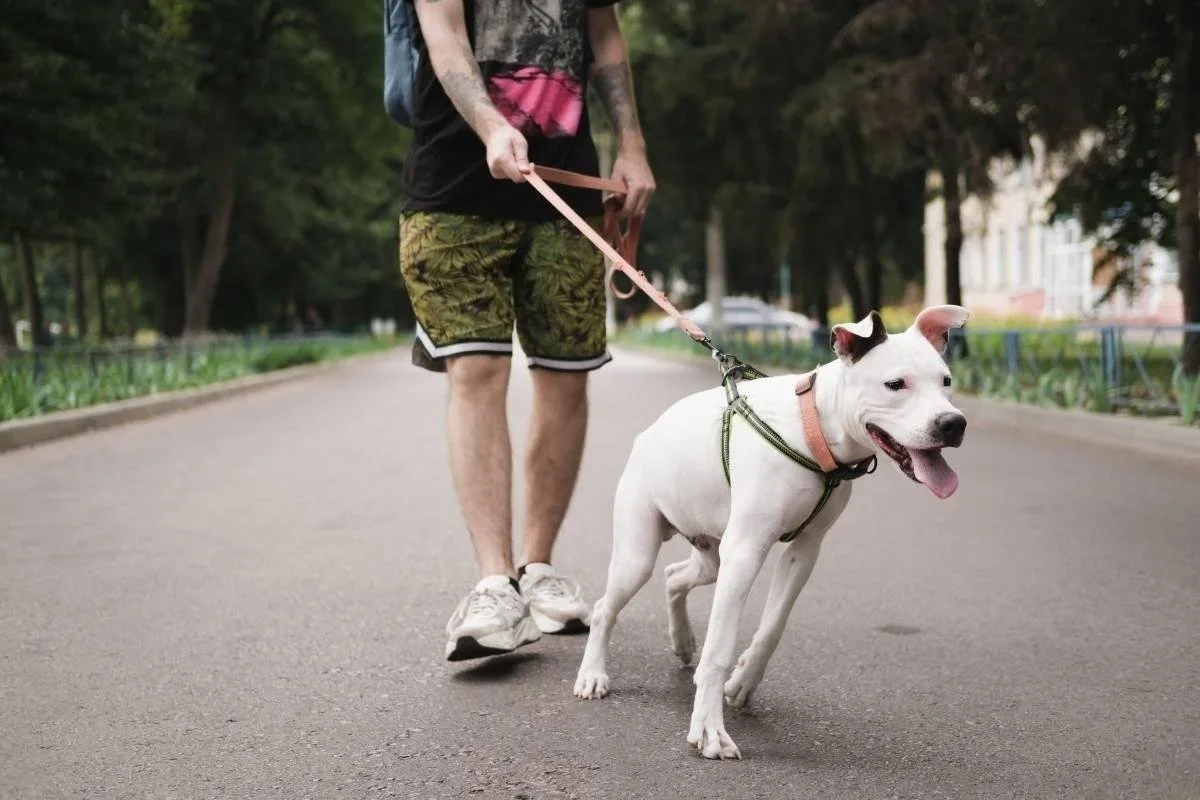
Reactivity is driven by emotional overwhelm, not disobedience.
It can often look like a dog is misbehaving or choosing not to listen, and that’s a really common way to interpret it.
Reactivity is driven by the nervous system, not conscious decision-making. When a dog becomes overwhelmed, their brain shifts into a survival response. Thinking reduces, emotions take over, and behaviour follows.
This is why reactive behaviour isn’t really about obedience; it’s a dog trying to cope in that moment.
What’s Happening in the Body?
When your dog perceives something as threatening, exciting, or frustrating, the emotional centre of the brain activates.
Stress hormones like adrenaline and cortisol are released, preparing the body to react.
This can:
Increase heart rate
Narrow focus
Reduce decision-making ability
Make familiar cues harder to respond to
In that moment, your dog isn’t choosing to ignore you; they’re simply overwhelmed.
The 6 Key Root Causes of Reactivity
Reactivity rarely has a single cause. It’s usually a combination of factors building over time.
1. Fear & Anxiety
For many dogs, reactivity is rooted in fear.
Barking, lunging, or growling can be a way of creating distance. Essentially, they’re a dog’s way of communicating, “I need space.”
Over time, if this response helps them create space, dogs are likely to use it again in similar situations, because from their perspective, it works to keep them safe.
2. Lack of Early Socialisation
Puppies go through a critical learning period where they form opinions about what’s safe and normal.
If they miss out on calm, positive exposure to different environments, people, or dogs, the world can feel overwhelming later on.
That doesn’t mean things can’t improve; it simply means they may need more support to feel safe.

A lack of socialisation in your dog’s early years can cause them to find normal activities overwhelming, leading to reactivity.
It’s important to note that this doesn’t mean your dog will remain reactive forever because they’ve missed out on this socialisation. It just means they may need more support learning that the world is safe.
3. Negative Experiences & Trauma
Even a single frightening event can have a lasting impact on your dog’s behaviour.
For example, if your dog has been attacked or simply overwhelmed, their nervous system may start reacting quickly to similar situations in future.
This isn’t stubbornness or your dog giving you a hard time; it’s a protective response.
If you need support understanding the root causes of your dog's behaviour and helping them to feel safe, book a free discovery call with me to discuss your dog’s responses and how the reactivity programme can help.
4. Frustration or Over-Excitement
Not all reactivity is fear-based.
Some dogs react because they want access to greet, play, or chase, but something is preventing them, like a lead or barrier.
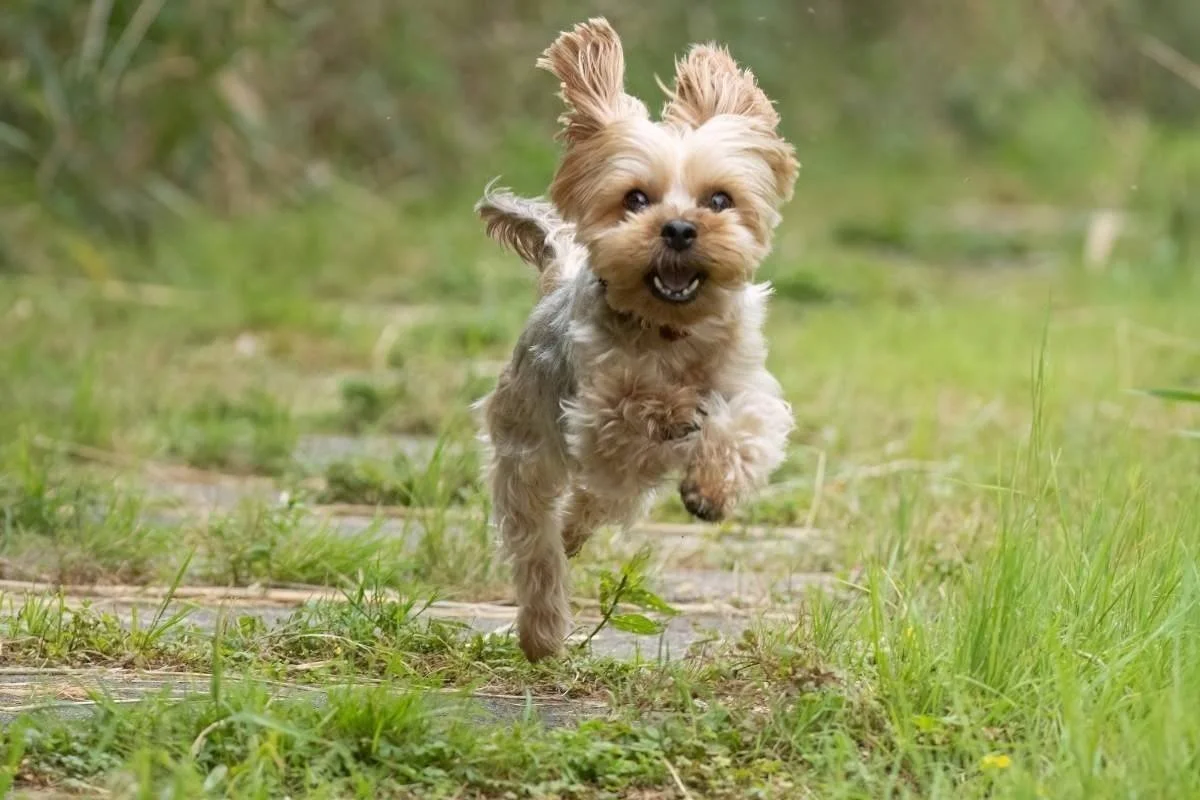
Reactivity isn’t always fear-based, with some dogs reacting because something is preventing them from being able to greet, play or chase.
This can build into frustration, which then comes out as barking, lunging, or pulling. You might hear this referred to as barrier frustration.
5. Genetics & Temperament
Dogs are born with different temperaments. Some dogs are naturally more sensitive to their environment. Genetics influence sensitivity, stress responses and emotional regulation.
Some may notice movement more quickly, respond more intensely, or find it harder to regulate their emotions.
This doesn’t mean they’re “problem dogs”, just that they may need more careful support.
6. Pain & Discomfort
Pain is one of the most commonly missed pieces of the puzzle.
When a dog is uncomfortable, their ability to cope with everyday situations changes. Their tolerance reduces, their reactions may become quicker or more intense, and things that once felt manageable can suddenly feel too much.
Any conditions like joint pain, ear infections or gastrointestinal discomfort can all contribute to behavioural changes. Your dog can become irritable due to pain, and then this can contribute to or cause reactive behaviour.
If your dog’s behaviour has changed, become more intense, or feels out of character, it’s always worth a veterinary check to rule out pain or discomfort.
Do You Need Support with Your Dog’s Reactivity?
Reactivity can feel isolating, and it’s not always something to work through alone.
If your dog is struggling on walks, reacting to people or dogs, or finding the world overwhelming, it’s a sign they may need a structured, supportive approach.
Working with a qualified behaviourist helps you:
Understand what your dog is feeling
Reduce pressure in everyday situations
Build confidence at your dog’s pace
I’m Vivienne, an Accredited and Certified Dog Behaviourist and Trainer, and I specialise in supporting dogs who are reactive, anxious, or overwhelmed. My approach is calm, supportive and rooted in behavioural science.
If you’d like to talk things through, you can book a free discovery call or explore the reactivity programme to see how I can help.
