How Can I Help My Reactive Dog? Kind Strategies That Work
If you’re navigating life with a reactive dog, you’re not alone, and you’re not failing. Reactivity can feel messy and intense, with lots of barking, growling, and suddenly ‘losing it’ at another dog, person, or sound.
At Walkies Dog Behaviour and Training, I view reactivity as what it really is: a communication and coping problem. It’s often rooted in fear, frustration or uncertainty, rather than stubbornness or having a ‘bad dog’.
The good news? Reactive dogs can make significant progress with the right support. The approach at Walkies Dog Behaviour and Training is kind, science-based, holistic, and focused on making your dog feel safer in the world.
In this blog, I’ll walk you through what matters most and 5 compassionate strategies you can start using straight away.
What Is Reactive Behaviour in Dogs?
Before we dive into strategies, it helps to reframe what’s happening when your dog is showing signs of reactive behaviour.
Reactivity is a stress response. Your dog’s nervous system is telling them that something feels too close, too fast, or too scary. Once that stress spills over their threshold, their body goes into fight-or-flight, freeze, or fidget.
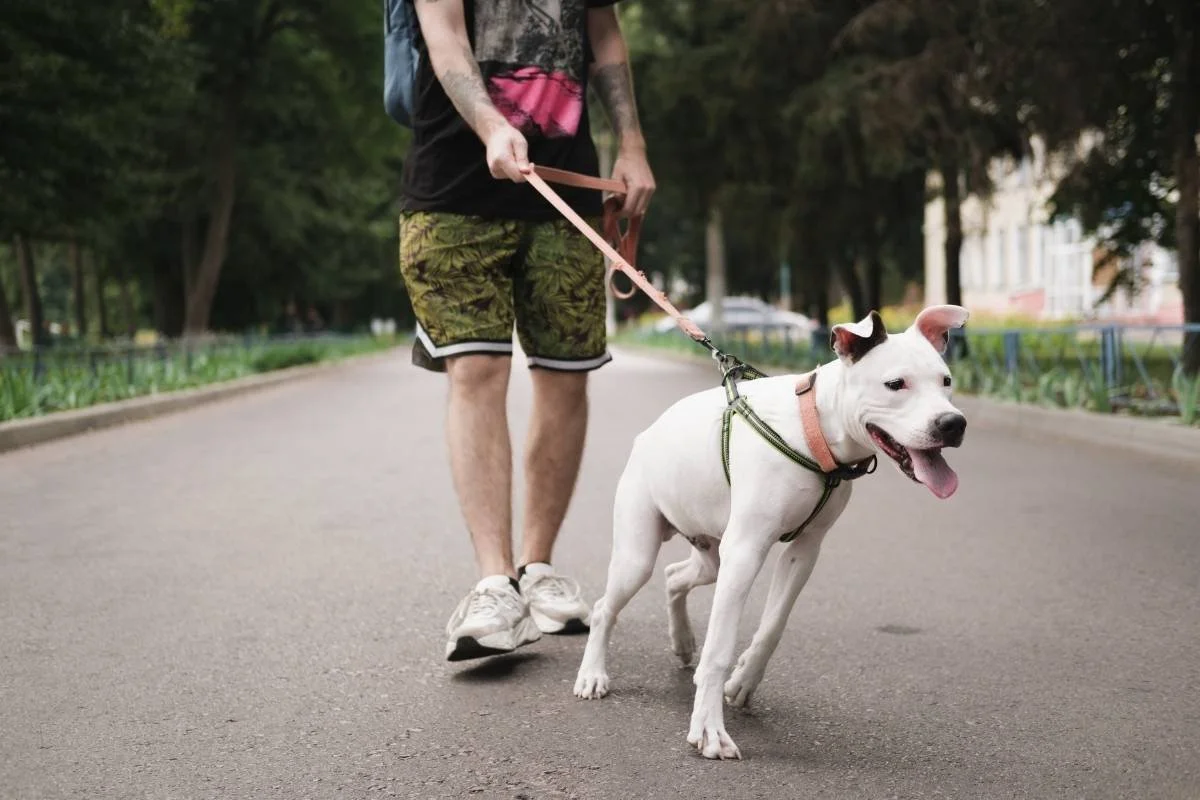
Reactive behaviour is a sign of your dog’s stress, where their nervous system is signalling that something is pushing them over their stress threshold.
Barking and lunging often signify that your dog wants some space. Pulling and whining can be signs of frustration. Freezing or shutting down can indicate fear.
When training reactive dogs, I focus on uncovering what’s underneath the reaction, helping your dog feel safe enough to learn and creating a personal behaviour plan that fits your dog’s needs and your real life.
As you read these strategies, remember that we’re not trying to end these behaviours as our main goal. We’re focusing on changing how your dog feels about their triggers because behaviour follows emotions.
5 Kind Strategies to Help Your Reactive Dog
Here are 5 of the key strategies I use in my training and recommend to dog owners:
1. Become a Space Advocate for Your Dog
One of the biggest breakthroughs our clients mention in our Reactivity Programme is learning when to give their dog more space before they’re overwhelmed.
Giving your dog space doesn’t mean you're avoiding their behaviour; it actually supports them and their needs.
Being a space advocate can look like crossing the road before your dog tenses, turning around calmly when someone is approaching, and choosing quieter walking routes while you work on training.
This single habit can prevent hundreds of reactive moments by lowering the pressure your dog feels and keeping them under threshold.
2. Learn Your Dog’s Body Language
I put a lot of emphasis on helping guardians read their dogs' signals because dogs don’t suddenly explode out of nowhere; they give many quieter signals beforehand.
You just need to know how to read them.
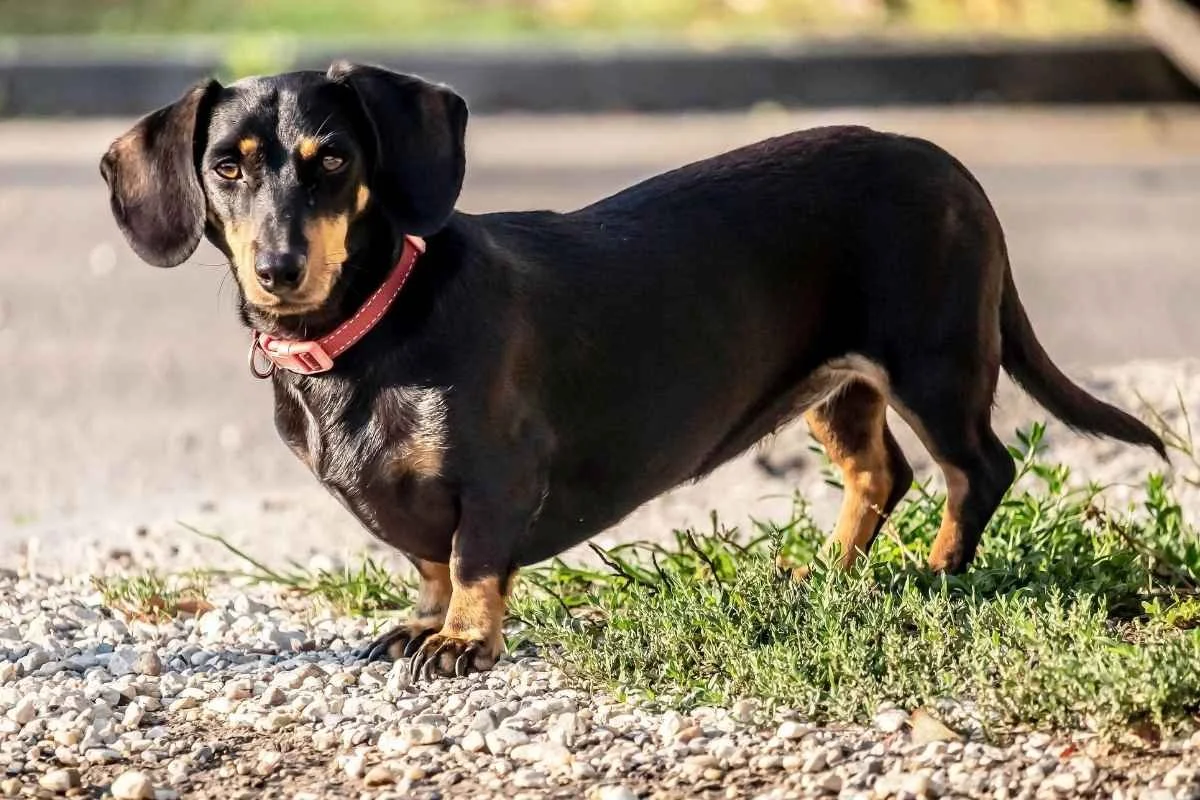
Understanding your dog’s body language signals can help you take action and prevent reactivity.
Common Dog Body Language Stress Signals
Pinning Ears Back: Making themselves look smaller to avoid conflict when feeling unsure or threatened.
Whale Eyes: Showing the whites of their eyes while watching something closely shows they feel tense and worried.
Freezing or Slowing Down: Pausing to assess signifies they are overwhelmed and deciding how to stay safe.
Turning Head Away: A calming signal dogs use to reduce pressure.
Yawning: In tense moments, yawning is a self-soothing behaviour to regulate anxiety.
Lip Licking: When food isn’t around, this displays nervousness, as dogs do it to calm themselves when they feel uneasy.
If you learn the early stress signals, you can step in and add distance to help your dog succeed.
3. Use Positive Reinforcement to Build Predictability
Reactive dogs feel better when the world becomes predictable. With simple routines that teach your dog that when something appears and they react calmly, something good happens.
You can try this approach to turn it into a game for your dog:
Spot a trigger at a safe distance.
The moment your dog notices it, say a calm marker like ‘Yes.’
Give a high-value treat.
Let them look again. Repeat.
By using positive reinforcement, you help change the emotional association, as triggers begin predicting good stuff rather than danger.
Remember that this is only effective when your dog is under threshold. If they’re already barking or growling, focus on stepping away until they can think again.
At Walkies Dog Behaviour and Training, I offer a Reactivity Programme to teach you why your dog reacts the way they do and to work through a personalised behaviour modification and training plan. Book a free discovery call today.
4. Meet the Needs That Sit Under the Reactivity
I take a holistic view, understanding that training doesn’t happen in a vacuum.
The fastest way to improve reactivity is to reduce stress and facilitate calmness throughout your dog’s life, not just during walks.
Focus on the Foundations
Sleep & Downtime
If your dog is tired, they’re way more likely to react more and many reactive dogs need a lot more rest than we expect
Enrichment
Encourage your dog to sniff, lick, chew, search, and problem solve as these activities lower stress and build confidence.
You can try scatter feeding in grass, frozen lick mats and safe chews.
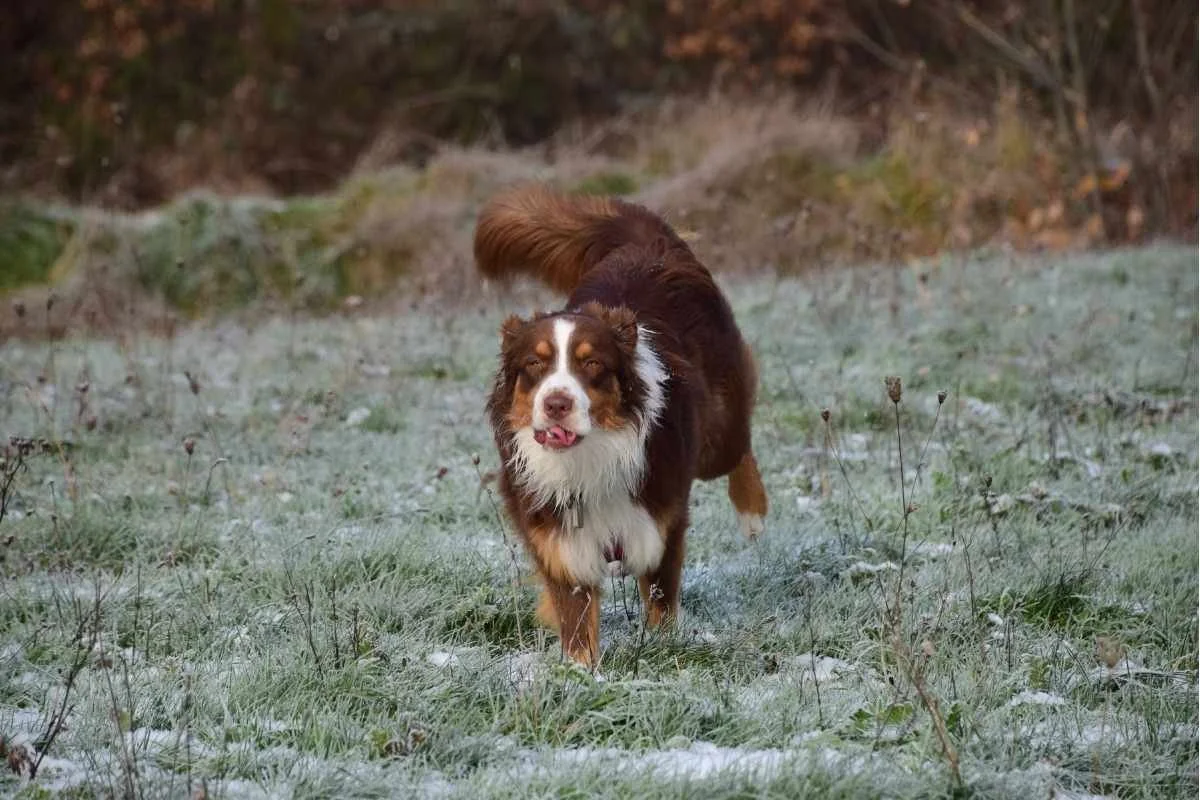
There are certain unmet needs that underlie reactivity, such as poor sleep, lack of enrichment activities or pain.
Movement Balance
Sometimes reactive dogs are over-exercised, making them feel wired and frantic, or under-exercised, making them feel frustrated.
Balance their movements by allowing for both swift running and calm, sniffy walks.
Health & Pain
If you’ve noticed that your dog is suddenly reactive or that their reactivity is worsening, rule out pain, as it can dramatically reduce their tolerance.
5. Focus on Realistic Progress
It can be really easy to fall into the trap of having high expectations about how quickly your dog’s reactivity will improve.
However, it’s crucial to focus on the small wins, such as one less bark, quicker recovery after seeing a trigger, or even sniffing instead of staring.
Each time your dog successfully reacts less, it’s rewiring their brain and building a history of safety.
It can be helpful to note down any improvements your dog is making to keep track of their progress.
A Gentle Reminder
Your dog doesn’t need to be ‘fixed’. You need to support them while they learn new ways to cope and understand that their reactivity is emotional.
The safer your dog feels, the more change becomes possible.
How Walkies Can Help
I hope this guide has taught you some compassionate strategies to help you support your reactive dog.
If you’re still feeling stuck, you don’t have to figure it out alone. I’m Vivienne, an Accredited Canine Behaviourist (ACB-KSA) with The Association of INTODogs, holding an Enhanced Level 5 Qualification in Canine Behaviour, and I’d love to help you.
My approach is kind, holistic, and evidence-based, with support tailored to your dog.
Book a free discovery call today if you’d like more information, or directly sign up for the Reactivity Programme.
About the Author
Vivienne Moore ACB-KSA, PCT-A is an accredited canine behaviourist and trainer based in Norfolk, specialising in rescue dogs, reactivity, confidence building, and behaviour support. Through Walkies Dog Behaviour & Training, Viv works with dogs and their families using ethical, evidence-based methods that prioritise welfare, emotional wellbeing, and positive reinforcement.
Viv is a member of the UK Dog Behaviour & Training Charter and a KAD (Kids Around Dogs) Approved Professional. She offers behaviour consultations across Norfolk and online throughout the UK.
