7 Early Signs of Stress in Dogs and What They Mean
Dogs communicate how they're feeling through their body language, often long before they bark, growl or lunge. Some of these signals can be quite subtle and easy to miss if you don't know what to look for.
Recognising the early signs of stress can help you understand when your dog is feeling uncomfortable, worried or overwhelmed, giving you an opportunity to respond before things escalate.
Common Signs of Stress in Dogs
1. Yawning
Dogs don't just yawn when they're tired. Yawning can sometimes indicate stress or discomfort, particularly in situations where a dog is feeling uncertain or overwhelmed.
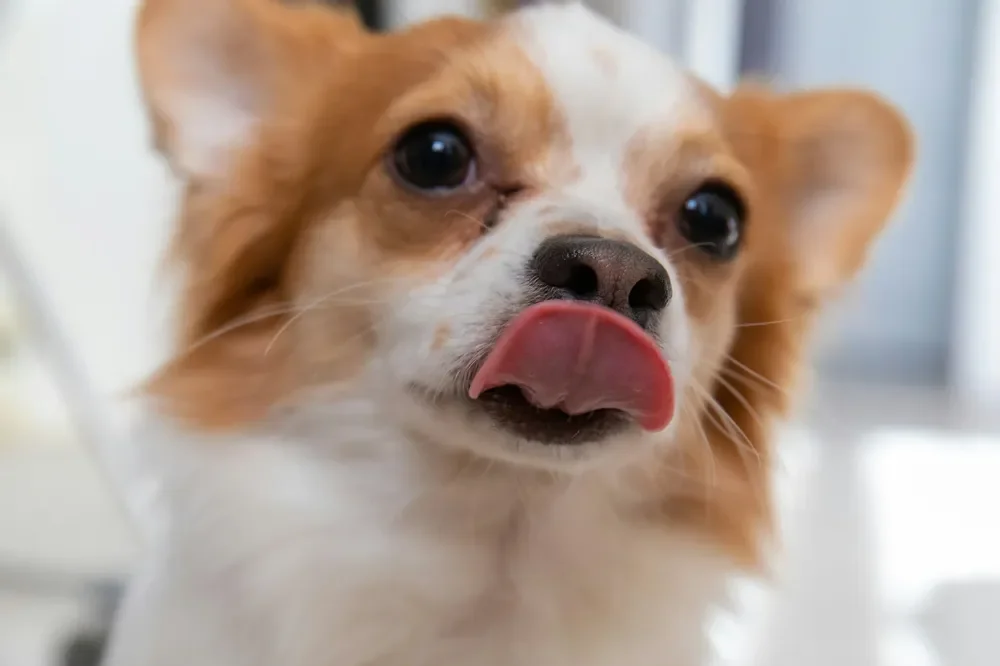
2. Lip licking
A quick flick of the tongue over the nose or lips, particularly when no food is present, can be a subtle sign that your dog is uncomfortable.
3. Paw lifting or shifting weight
Some dogs lift a front paw or shift their weight when they're feeling uncertain. Look at what else their body is telling you.
4. Turning away or avoiding eye contact
Turning the head or body away can be a dog's way of avoiding an interaction or communicating that they need some space.
5. Changes in ear position or body posture
Ears moving backwards, a lowered body or a change in posture may indicate discomfort, particularly when accompanied by other signs of tension.
6. Moving slowly or freezing
A dog who suddenly slows down, becomes very still or freezes may be struggling with a situation. Freezing is particularly important to recognise, as it can occur before a more obvious defensive response.
7. Whale eye or facial tension
Whale eye is when the whites of a dog's eyes become visible, often alongside a tense expression. A tight mouth, furrowed brow or changes in facial muscles may also indicate discomfort.
What Should You Do When You Notice Signs of Stress?
Recognising that your dog is uncomfortable gives you an opportunity to help before things become more difficult.
If you notice signs of stress:
Give your dog some space. Moving away from whatever is worrying them can help reduce pressure.
Avoid forcing interactions. Your dog shouldn't have to approach or interact with another dog, person or situation they're uncomfortable with.
Allow time to process. Give your dog time to process what's happening, or help them move away if they're finding the situation difficult.
Watch for changes in body language. Look for signs that your dog is becoming more relaxed, such as softer body movements, choosing to sniff or moving away comfortably.
Consider what might be contributing. Pain, tiredness, previous experiences and the environment can all influence how your dog responds.
The earlier we recognise when our dogs are finding something difficult, the more opportunities we have to support them and prevent situations from escalating.
Why Context Matters When Reading Your Dog's Body Language

A single behaviour doesn't tell us everything about how a dog is feeling.
For example, a dog might yawn because they're tired, lick their lips in anticipation of food or turn their head because something has caught their attention.
What matters is looking at the whole dog and the situation they're in. Are their movements loose and relaxed, or is their body becoming tense? Have they suddenly stopped sniffing or exploring? Are several subtle signals appearing together?
Changes in your dog's usual behaviour can tell you a great deal. Learning to notice these changes can help you recognise when they need a little more space or support.
Worried About Your Dog's Behaviour?
If your dog is frequently showing signs of stress, struggling in everyday situations or reacting to other dogs or people, it can be difficult to know how best to help.
My Behaviour Consultations provide individual support to help you understand what's contributing to your dog's behaviour and develop a practical plan tailored to their needs.
Whether you're noticing early changes or have been managing difficulties for some time, getting the right support can make a real difference.
Find Out More About My Behaviour Consultations
About the Author
Vivienne Moore is a Certified and Accredited Dog Behaviourist and Trainer based in Norfolk and founder of Walkies Dog Behaviour & Training.
She holds a Level 5 qualification in Canine Behaviour, is an Accredited Canine Behaviourist (ACB-KSA), a Certified Dog Trainer (PCT-A), ACE Certified Practitioner, Kids Around Dogs Approved Professional, and an accredited member of the Association of INTODogs.
Vivienne specialises in helping dogs struggling with reactivity, fear, anxiety, frustration, and other behavioural challenges using ethical, reward-based methods that focus on understanding the emotions driving behaviour.
You may also find these articles helpful: