Can You Train a Rescue Dog? What Every Adopter Should Know
Adopting a rescue dog can be one of the most rewarding experiences of your life, but it can also be a time of great stress and uncertainty, especially for your new companion.
Many rescue dogs have experienced trauma, upheaval and inconsistency in their past, meaning that they need time, patience, and understanding to feel safe, decompress and begin to adjust to their new life.
At Walkies Dog Behaviour and Training, I work with rescue dogs regularly using ethical, science-based methods that focus on emotional well-being and trust. In this guide, I’ll share whether a rescue dog can be trained, how long it takes to train, and offer some training tips to support your rescue dog.
Can a Rescue Dog Be Trained?
Yes, absolutely.
Rescue dogs often arrive with adaptive behaviours developed to cope with past environments, and those behaviours can look confusing or challenging in a home setting.
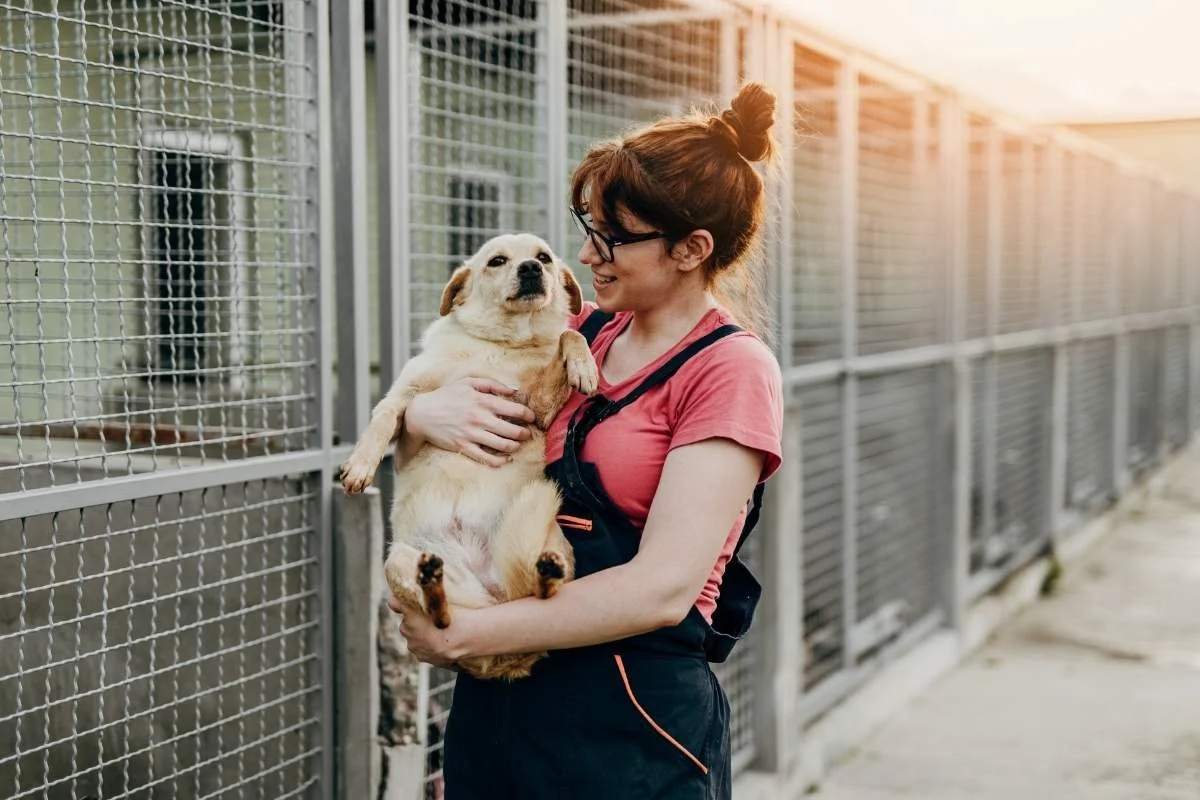
Yes, rescue dogs can absolutely be trained, and it’s important to give them time to settle and understand any trauma-related behaviour to help them feel safe to learn.
However, there’s no doubt that many of these behaviours can be changed, and more positive ones can take their place.
Many rescue dogs benefit from being given time to settle in and having a supporting calm adjustment into the home. This type of patience, combined with an understanding of trauma-related behaviour and building trust, will help your rescue dog feel truly safe in their new life.
How Long Does It Take to Train a Rescue Dog?
Once people understand that rescue dog training is possible, a common question that follows is, “How long will it take?”
The honest answer is that it depends, but there are some general timelines that can help guide you.
You may come across the commonly shared 3-3-3 rule for rescue dogs, which suggests that dogs need:
3 days to decompress
3 weeks to start settling
3 months to feel at home
While this idea is well-intentioned, it implies that dogs adjust to a new home in predictable stages and within a certain timeframe. In reality, every dog arrives with a different history, sensitivities, and coping strategies. Their ability to settle is shaped by:
Previous experiences and learning
Emotional and sensory sensitivity
Physical health
How safe their new environment feels
How much pressure they are placed under to cope
For some dogs, a few days might well be enough to begin to relax slightly. For others, several weeks may pass before they feel safe enough to truly rest. For many rescue dogs, 3 months is not when everything settles; it is often when their real emotional needs become more visible.
That’s why the rescue dog training support I offer is flexible and tailored, allowing dogs to move at their own pace rather than being rushed through a standard process. If you're at the beginning of your journey together, you may also find my guide to helping your rescue dog settle in useful, as it covers some of the common challenges newly adopted dogs face. Book a discovery call today, and let’s begin the process of training your rescue dog and helping them feel safe.
How to Toilet Train a Rescue Dog
Many rescue dogs have never lived in a home, or may have had inconsistent reinforcement about where toileting “should” happen. When you factor in stress as well, it’s easy to see why accidents may occur even weeks or months into life with you.
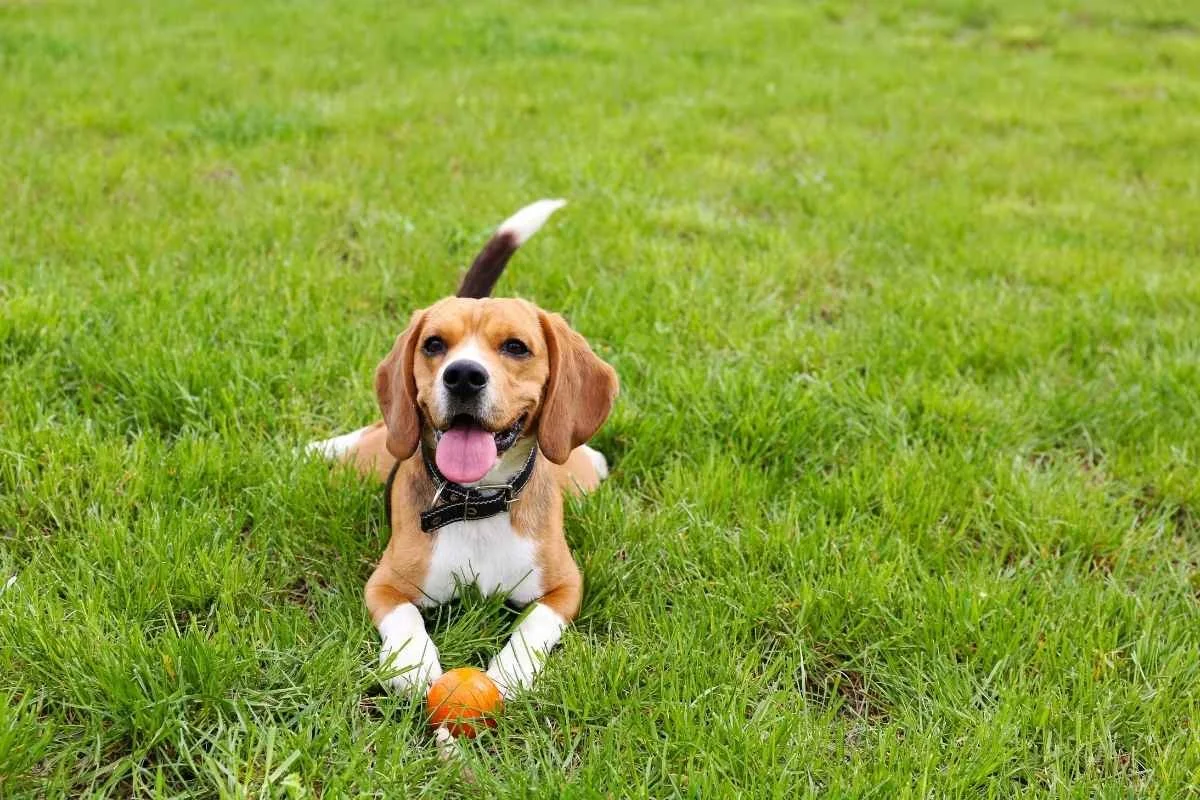
Take your rescue dog out often, positively reinforce success and watch for stress signals to help toilet train them.
Take Them Out Often: Think of your rescue dog as a new puppy in terms of routine and take them out often, to give them multiple chances to go to the toilet.
Positively Reinforce Success: When they go to the toilet in the right place, give them positive reinforcement with verbal responses such as “yes” or “well done” and give a treat right away.
Watch for Stress Signals: Sometimes, dogs toilet due to fear or uncertainty, not because they don’t understand, so watch out for stress signals that may indicate this is about to happen.
Remember not to punish your dog when accidents happen, as even for adult dogs, punishment increases stress and makes learning slower. Supportive repetition and consistency are key.
How to Train a Rescue Dog to Sit
Training a rescue dog to sit can be completed by a simple technique using a treat.
Start by holding a treat near your dog’s nose whilst they’re in a standing position.
Keep the treat near your dog's nose and move your hand in an arc over his head. As your dog raises their head to follow the treat, their bottom will go on the floor. The instant they sit, praise them and give them the treat.
Practise those steps multiple times in regular, short sessions. Then, add in the cue word 'sit' as he goes to sit. Keep sessions short and fun for your dog.
Tips for Training Rescue Dogs
Now that you know the steps to training a rescue dog to go to the toilet and to sit, here are a few more general, proven training tips to help you support your dog.
Meet Your Dog’s Emotional Needs
Dogs need to feel safe to learn well, so focus on building the foundations of comfort, routine, and trust before you expect significant results from training.
2. Keep Training Sessions Short
Training your rescue dog for long periods of time can overwhelm them, especially as they are still processing new environments. 5-10 minutes of focused, calm training is more beneficial than stressful, long sessions.
3. Celebrate Tiny Milestones
A rescue dog’s training journey isn’t just about big achievements. Major successes can actually be anything from a calmer reaction to a visitor or a quieter walk.

Celebrate small milestones such as calmer reactions to visitors or quieter walks to build their confidence.
Celebrate these to build your dog’s confidence.
4. Seek Professional Rescue-Specific Support When Needed
Sometimes, behaviours are deeply rooted in past trauma and require experienced, trauma-aware guidance.
This is exactly what the Rescue Dog Behaviour Packages at Walkies Dog Behaviour and Training are designed to offer. I provide flexible, personalised support focused on trust, confidence and real-world results. Book a free discovery call today.
Need personalised support for your dog?
If you're not sure where to start, my 1-1 Intro Training Session provides personalised guidance and a clear plan tailored to your dog.
Book Your First Session
About the Author
Vivienne Moore is a Certified and Accredited Dog Behaviourist and Trainer based in Norfolk and founder of Walkies Dog Behaviour & Training.
She holds a Level 5 qualification in Canine Behaviour, is an Accredited Canine Behaviourist (ACB-KSA), a Certified Dog Trainer (PCT-A), ACE Certified Practitioner, Kids Around Dogs Approved Professional, and an accredited member of the Association of INTODogs.
Vivienne specialises in helping dogs struggling with reactivity, fear, anxiety, frustration, and other behavioural challenges using ethical, reward-based methods that focus on understanding the emotions driving behaviour.
