How to Keep Your Dog Calm When Visitors Come
For many dogs, visitors are a lot. When they hear the doorbell ring, footsteps, and voices, the house becomes unpredictable for them. They may cope by barking, jumping, spinning, growling or hiding.
With the festive season approaching, a dog that can’t settle around visitors is one of the most common worries I hear. Your family coming to visit is wonderful for you, but for your dog it means a busy house, unfamiliar people and a spike in excitement or anxiety.
At Walkies Dog Behaviour and Training, I approach your dog’s behaviour around visitors as a reflection of what they’re feeling. I use science-based, ethical techniques to meet their underlying needs and teach them ways to cope.
Let’s break down why dogs struggle with visitors and some kind strategies you can use to keep your dog calm when people visit.
Why Do Dogs Struggle With Visitors?
When a dog shows a strong reaction to visitors, it’s usually due to one or a mix of these feelings:
Excitement: They’re excited that people are nearby and want to interact with them.
Worry or Fear: Your dog notices someone is coming in, and isn’t yet confident that the person is safe or predictable.
Uncertainty: Not knowing what’s expected of them and their behaviour around the visitors.
Overwhelm: They feel like there’s too much noise, movement or closeness.
Protective Instincts: Rather than trying to protect consciously, many dogs react to visitors because they feel unsure or uncomfortable about what’s happening in their environment.
Over the festive season, the feelings above tend to intensify because their routine changes, the house is busier, visitors may come in groups, and people might give your dog attention more unpredictably.
Kind Strategies to Keep Your Dog Calm When Visitors Come
It’s crucial to kindly support your dog when visitors come over, as it can be quite a stressful experience for them.
Here are some of my favourite strategies you can use to help keep your dog calm:
1. Manage the Environment Before You Train
Management is your best friend at the start. If your dog rehearses the same routine over and over again when people come to visit, it strengthens that pathway in their brain.
If their current routine is barking, jumping up on everyone, or growling, we want to change that to a much calmer response.

Before you start training your dog, manage their environment by adding a gate, creating a calm settle zone and allowing them to soothe by chewing or licking.
An easy way to break the current routine is to use a baby gate or pen to ensure your dog isn’t right at the front door, to reduce the instant reaction of jumping and barking.
It’s also helpful to create a calm settle zone, such as their bed, an open crate or a mat in a quiet room, to give your dog a designated space to relax.
To prevent their initial reaction, you could also have a chew or lick mat ready to soothe them before excitement peaks, meaning before your visitors walk in.
2. Teach a Calm Door Routine in Small Steps
Many dogs react to doors because the sound has become associated with excitement, noise or unpredictability. The aim here is to gently change what the door sound means to your dog, so it starts to predict calm rather than chaos.
Start when there are no visitors. Knock or ring the doorbell quietly, or play a sound imitating it on your phone. Scatter treats on the floor, or give your dog a lick mat and let them sniff around and eat. Repeat this until your dog hears the sound and naturally looks for something calm and rewarding to do.
This approach uses counter-conditioning, helping your dog form a new, more positive emotional response to the trigger by pairing it with experiences that support relaxation.
Once that’s easy for them, you can increase the volume slightly, then later add your walking to the door, opening it a little and so on.
Remember, it’s key to introduce a new routine slowly so you don't overwhelm your dog and give them time to learn and adjust.
How Do I Stop My Dog Jumping Up at Visitors?
If jumping is one of your dog’s key behaviours to greet people, this is very common. However, it can be overwhelming for visitors.
At Walkies Dog Behaviour and Training, my approach is never to simply suppress behaviour. Jumping up serves a purpose for your dog. Rather than telling dogs what not to do, I focus on teaching them alternative, more appropriate ways to greet people.
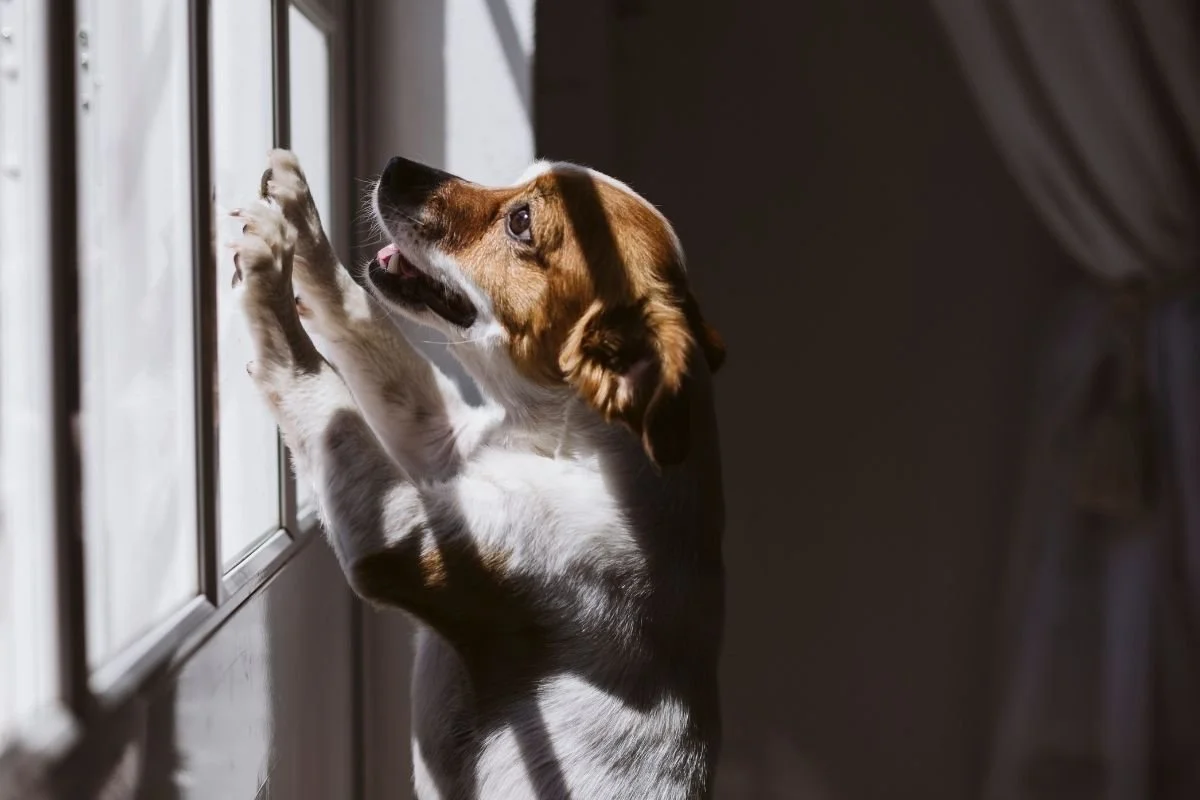
Teaching an alternative greeting helps dogs feel calmer and more confident when visitors arrive.
Follow these steps to help teach your dog a different greeting behaviour:
Reward 4 Paws on the Floor: Each time your dog has all paws down, calmly say ‘yes’ or ‘well done’ and give them a treat.
Ask Visitors to Ignore Jumping: Tell your visitors to pay less attention to your dog’s jumping by not making eye contact and not touching them. Attention can be the biggest reward.
Teach a Clear Alternative: For example, keeping paws on the floor to say hello or bringing a toy, and again reward this behaviour when it occurs.
Keep Greetings Short & Calm: Let your dog say hello briefly if they wish to, then call them away for another reward. This reduces arousal and teaches self-control.
3. Help Your Dog Feel Safe Around People
Your dog might hide instead of approaching visitors or show other signs of anxiety. A big festive mistake is assuming every dog should greet everyone.
Some dogs would rather have space and time to themselves.
Therefore, it’s absolutely okay to let your dog stay behind a gate, make interactions short, or skip greetings completely.
Allowing them to have a choice reduces their stress, which helps to prevent unwanted incidents.
If you’d like support helping your dog feel safe and improve their behaviour, book a free discovery call with me today.
4. Support the Underlying Needs That Influence Behaviour Around Visitors
If your dog is struggling overall, learning new skills around visitors will feel much harder.
Before focusing on training, it’s important to look at the bigger picture and make sure their needs are being met.
Ensure they’re getting enough downtime and rest as the festive season or other busy times steal rest.
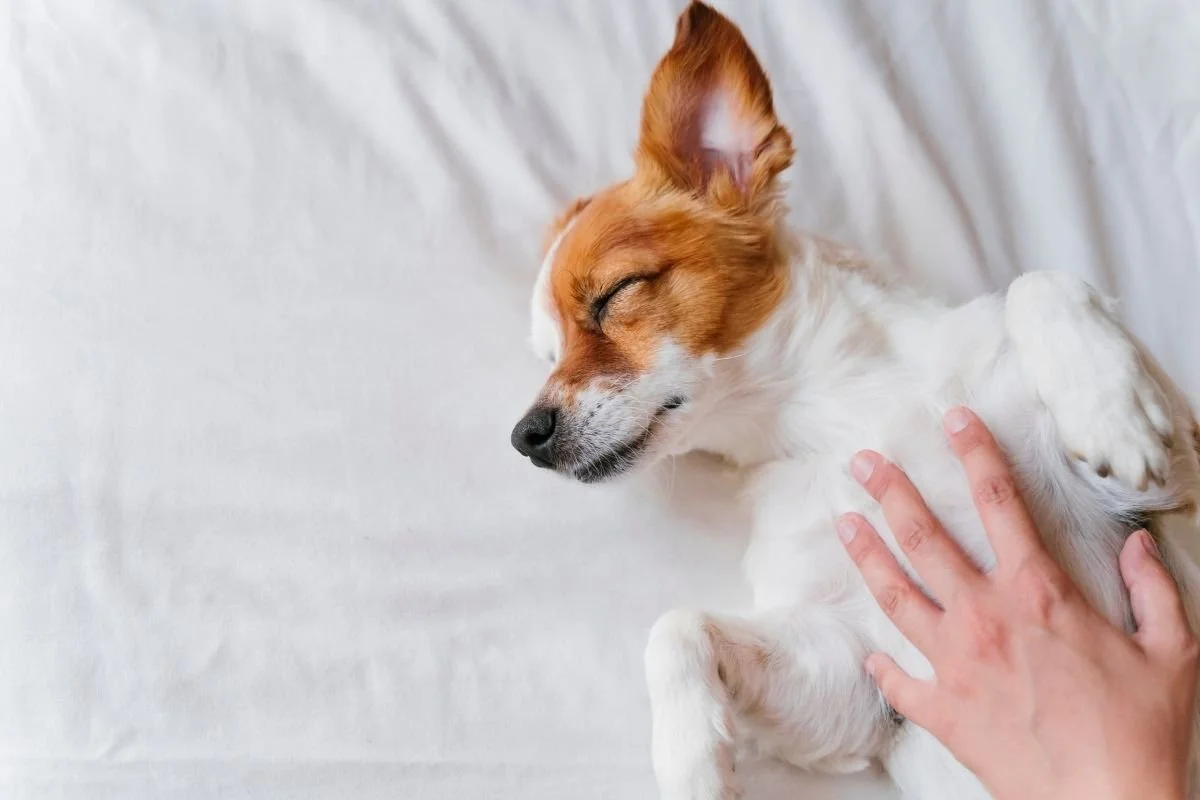
Always ensure your dog’s foundational needs of rest, comfort and enrichment are met before trying to change their behaviour.
Give them something to chew, lick or sniff or allow them to forage to lower arousal.
Always rule out any pain or discomfort that may be contributing to their behaviour.
How Walkies Can Help
I hope this guide has helped you learn how to keep your dog calm when visitors come.
If you’re still feeling overwhelmed and would appreciate some support, I’d love to help..
I’m Vivienne, an Accredited Canine Behaviourist & Trainer (ACB-KSA, PCT-A) and a Member of the UK Dog Behaviour & Training Charter, so you can feel confident that your dog is in safe, professional hands.
I offer a behaviour consultation and 3 package plans, which will help you understand your dog with a personalised, evidence-based approach, as well as 1 to 1 training sessions, which provide practical coaching you can use right away.
If you’re not sure which option suits your dog best, you’re very welcome to book a free discovery call, and we’ll figure it out together.
