Crate Training or Puppy Pen? Choosing the Correct Set-up for Your Puppy
I’m Vivienne from Walkies Dog Behaviour and Training, and one of the most common questions I hear from new puppy parents is whether a crate or a puppy pen is the right choice. With so much conflicting advice online, it’s easy to feel unsure about what will actually suit your puppy. One thing I often tell puppy owners is that there isn't a right or wrong answer. The best setup is the one that helps your individual puppy feel safe, relaxed and able to settle.
Both options can help keep puppies safe and supported, but they work very differently and suit different personalities and home setups. In this guide, I’ll walk you through the key differences between crates and puppy pens, so you can make a confident choice that works for your puppy and your lifestyle.
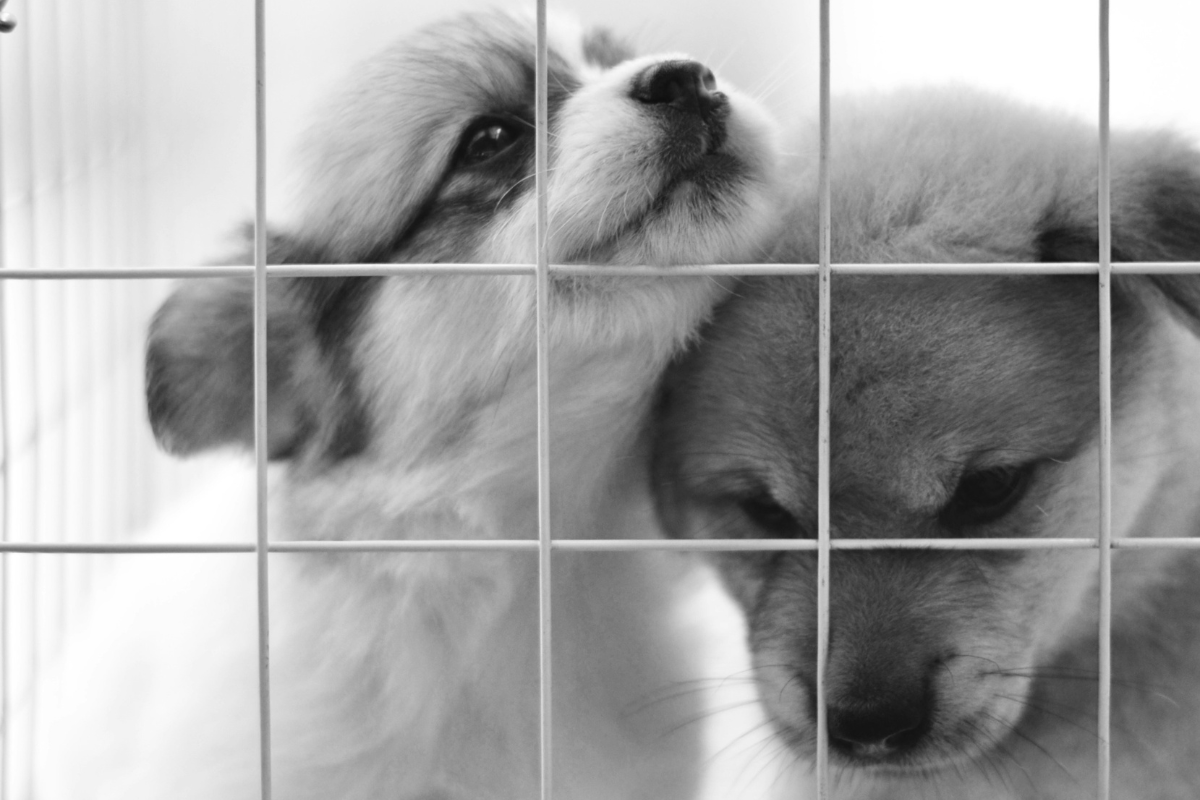
What Is Crate Training, and When Should You Do It?
Crate training teaches your puppy to see a crate as a calm, secure space where they can rest and learn to settle. The goal of crate training is to create a positive association with the crate and have the dog view it as a safe place.
Crates can help with house training because they encourage puppies to hold it, as many dogs won’t eliminate where they sleep. But the key point is this: crates work only when introduced slowly and positively, not as punishment. They should be used correctly and appropriately, and never as a place of isolation or discomfort.
A good crate-training routine starts gradually: leave the door open, make the crate cosy with bedding, and give treats inside. The aim is to make the crate a place your puppy chooses to go, not one they’re forced into.
Are Puppy Pens a Good Idea?
Absolutely, for many puppies, puppy pens are a great alternative to a crate. A puppy pen gives them more freedom than a crate while keeping them safely contained. Playpens provide a safe, larger space for puppies to move and play while remaining confined to a designated area.
Pens let pups:
Move around easily
Rest and play with toys
See family life without getting underfoot
Relax without feeling too boxed in
Puppies can feel less restricted in a pen than a crate, and pens can easily grow with them as they learn and settle.
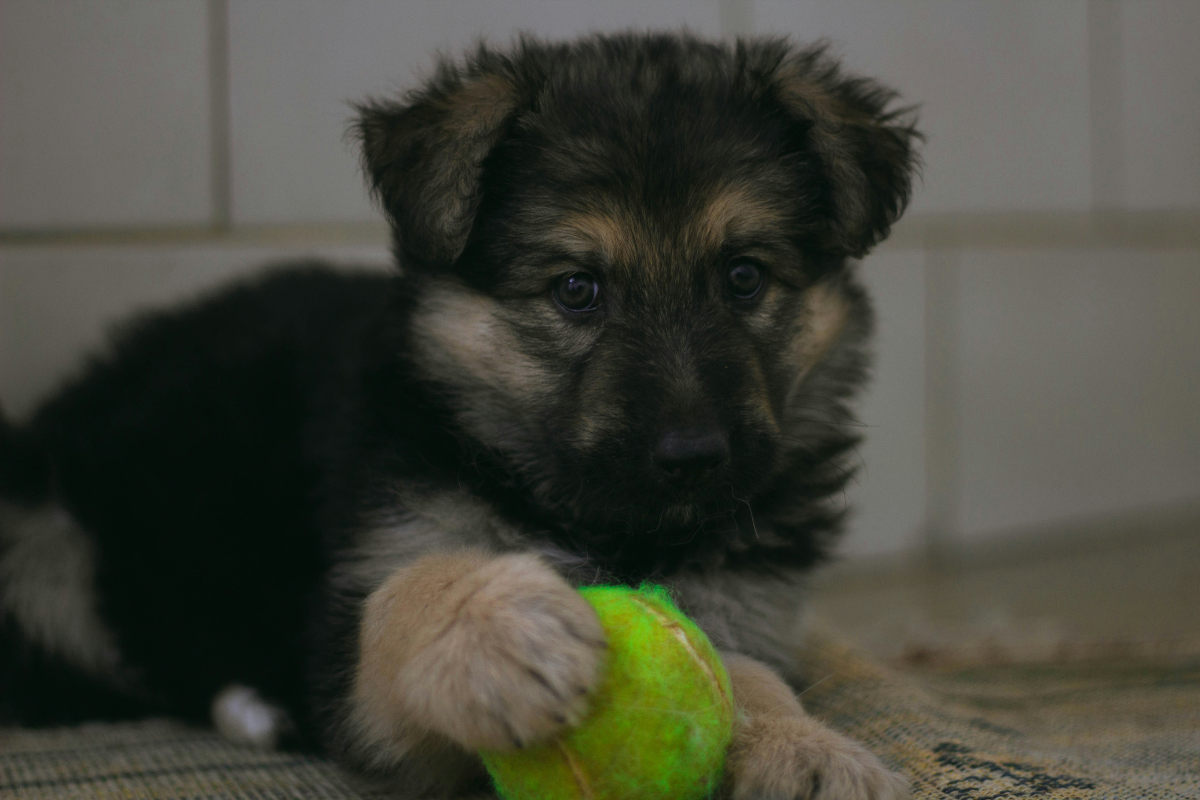
Puppy Crate vs Puppy Pen: Is a Crate or Pen Better for a Puppy?
So, is a crate or a pen better for a puppy? There isn’t a one-size-fits-all answer. The right choice depends on your puppy’s comfort with confinement, their behaviour, and how the setup fits into your daily life. Both options have benefits and limitations, so it’s essential to consider them honestly.
Pros of a Puppy Crate
A puppy crate can offer a small, enclosed space, which some puppies find reassuring. When introduced gradually and paired with positive experiences, crates can support early house training, as many puppies have a strong instinct to keep their sleeping area clean.
However, expecting a young puppy to ‘hold on’ for too long risks discomfort, distress and accidents as the structures and neurological processes required for reliable bladder control are still maturing at this age. Crates can also be helpful for short, supervised rest periods, particularly after training or play, helping puppies learn to switch off.
Cons of a Puppy Crate
That said, crates aren’t suitable for every puppy. Some find the restricted space overwhelming, especially if they’re naturally more active. When crate training is rushed or misused, it can increase stress and frustration rather than calm. Puppies who panic in small spaces may vocalise, pace, or try to escape, which is a clear sign the crate isn’t the right setup for them at that stage.
Pros of a Puppy Pen
A puppy pen gives significantly more room to move, allowing puppies to walk around, stretch out, play with toys, and rest comfortably while still being safely contained. This extra space can reduce frustration and help puppies feel more relaxed.
Pens are also practical for everyday life, serving as a safe place to set down while you work, cook, or move around the house.
Puppy playpens give dogs a place to be free while staying safe, often leading to lower stress levels and better engagement with their environment.
Cons of a Puppy Pen
Because they offer more space, they don’t support toilet training in quite the same way a crate can, and puppies may still have accidents if they’re left too long. Pens also need careful setup; too little enrichment can lead to boredom, chewing, or frustration. Like any management tool, a pen still needs to be used alongside regular toilet breaks, plenty of interaction and short, fun training.
For many puppies, particularly those who don’t cope well with crates, a puppy pen often becomes the calmer, more flexible option. The key is choosing the setup that supports your puppy’s emotional well-being, not just what’s traditionally recommended.
Are pens good for puppies? The answer is yes! Especially when your puppy isn’t naturally cosy in a small space.
Why Puppy Pens Support Calmer Behaviour and Confidence
One of the biggest benefits of a pen is choice. Puppies can move around, lie down, play with toys, or simply watch the world go by, all within a safe boundary. This is key to emotional development.
Playpens help puppies feel secure while still having enough space to move.
A pen reduces frustration from being in a tight space and gives your puppy a chance to learn self-settling skills at their own pace. Instead of being told to stay still, they can explore their environment safely, and that boosts confidence.
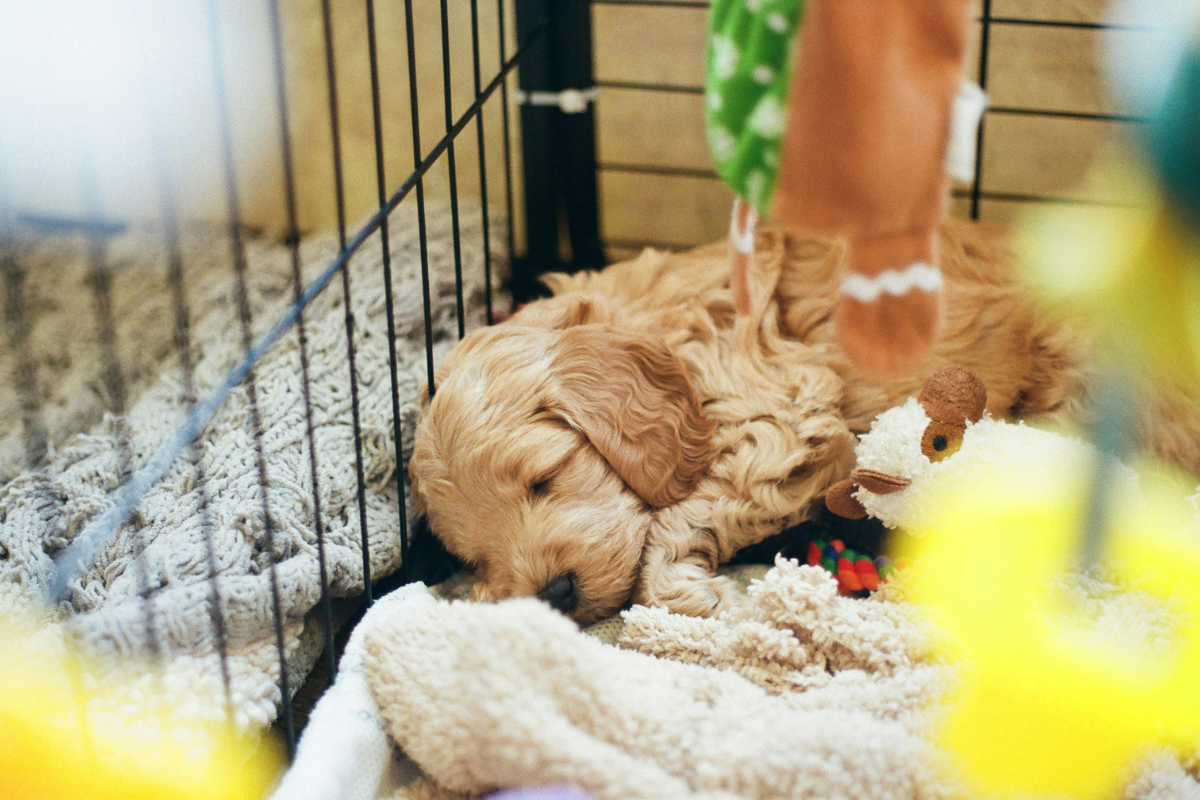
How to Use a Puppy Pen Properly From Day One
To make your puppy pen a safe space:
Set it up in a quiet but social area of your home
Add soft bedding and some favourite chew toys
Offer meals inside the pen to build positive associations
Let your puppy see and hear family life while inside
Never use the pen as punishment; it should always be safe and welcoming
Start with short sessions and gradually increase the time as your puppy becomes more comfortable.
Puppy pens are tools to support safe learning and calm behaviour, not substitutes for attention, exercise, or real playtime.
Why Choice Matters
One of the most overlooked aspects of puppy development is the importance of choice.
When puppies have opportunities to move, rest, chew, observe, play and settle at their own pace, they are often better able to regulate their emotions and learn how to cope with the world around them.
This doesn't mean allowing puppies complete freedom. Boundaries are still important. However, providing appropriate choices within safe boundaries can help puppies develop confidence and independence while reducing frustration.
For many puppies, a pen offers more opportunities for this kind of learning than a crate alone.
Choosing the Right Setup for Your Puppy
So, should I crate train my puppy? If your puppy enjoys small, secure spaces and you use a gentle, patient approach, with adequate toilet breaks, crate training can be helpful, especially for house training and short rest periods.
But if your pup finds confined spaces stressful or shows resistance, puppy pens are often the kinder, more flexible choice. They give space to move, explore, and settle in their own time, making them a great option for everyday life.
Every puppy is different. What works brilliantly for one puppy may not be the best choice for another.
The goal isn't to follow a particular training trend or method. It's to create an environment where your puppy feels safe, supported and able to learn.
If you're unsure which setup is right for your puppy, or you'd like support with toilet training, puppy biting, settling, socialisation or the many other challenges that can come with raising a puppy, I'd be happy to help.
I work with puppy owners across Swaffham, Dereham, Fakenham, Watton, Necton and surrounding areas of Norfolk, providing practical, compassionate support tailored to both puppies and their families.
Tell Me About Your Puppy and I'll help you find the best next step for you both.
Need personalised support for your dog?
If you're not sure where to start, my 1-1 Intro Training Session provides personalised guidance and a clear plan tailored to your dog.
Book Your First Session
About the Author
Vivienne Moore ACB-KSA, PCT-A is a Certified Dog Behaviourist and Trainer based near Swaffham, Norfolk. She specialises in helping puppies, adolescent dogs, rescue dogs and dogs experiencing behavioural challenges through compassionate, evidence-based support.
Vivienne works with families across Swaffham, Dereham, Fakenham, Watton, Necton and surrounding areas of Norfolk, focusing on practical, real-world training that builds confidence, strengthens relationships and helps dogs develop the skills they need to thrive.
You may also find these articles helpful: