Rescue Dog Support: How to House Train an Older Rescue Dog
Adopting an older rescue dog is a rewarding experience, but it can also come with some challenges, especially when it comes to house training.
In the UK, around 20% of dogs rehomed from shelters are returned, with one of the primary reasons being difficulties with house training.
Many owners worry that it’s too late to house train an older rescue dog, but the great news is that older dogs are capable of learning new habits with kind strategies and support.
Rescue dogs often come from an uncertain background, and poor house training behaviour can happen for many reasons.
Your older rescue dog may never have lived in a home before, they may have been punished for accidents in the past, or may simply be experiencing environmental sensitivity.
Understanding the reasons behind your dog’s behaviour is the first step to house training success.
With patience, consistency, and support, Walkies Dog Behaviour and Training can help you to house train your older rescue dog and help them feel safe and settled in their new home.
Supporting rescue dogs has been a significant part of my work over the years, and in this guide, I’ll share why older rescue dogs struggle with house training and how you can help them.
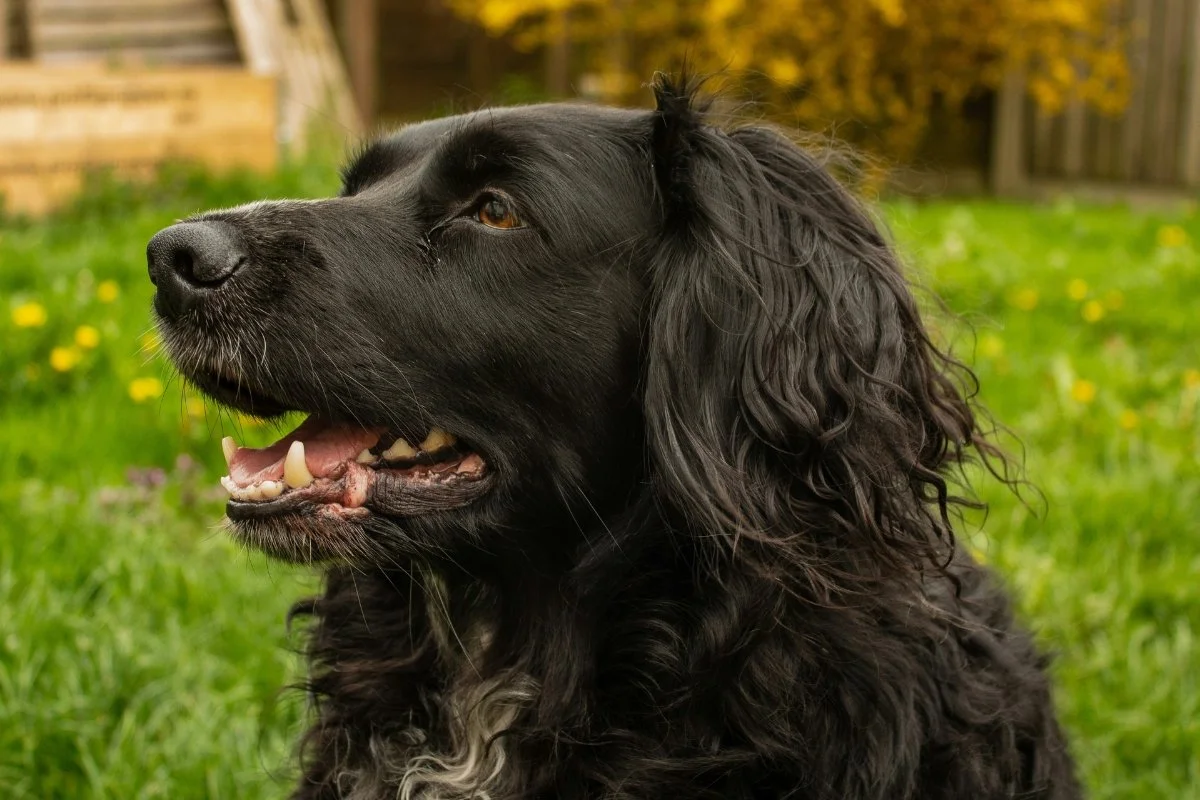
Adopting an older rescue dog isn’t just about getting a pet, it’s about gaining a loyal companion while changing a life for the better.
Why Do Older Rescue Dogs Struggle with House Training?
Before you begin house training your older rescue dog, it is important to understand both their past experiences and current needs. Older rescue dogs may arrive with no understanding of house training and might struggle for many reasons, such as:
Lack of previous training: Some dogs have never lived in a home environment or been taught where to toilet.
Kennel or outdoor living: Dogs that have lived in kennels often learn to toilet wherever they are.
Environmental sensitivity: Moving to a new home can disrupt toileting behaviour.
Past punishment: Dogs that have been punished for accidents may feel fearful or confused about toileting in front of people.
Irregular routines: Irregular feeding and walking routines make it harder for dogs to learn predictable habits.
If your dog is experiencing frequent or sudden accidents, or accidents are worsening, I would highly recommend a visit to the vet.
When house training an older rescue dog, it is essential to rule out medical issues that might affect toileting, including:
Urinary tract infections.
Gastrointestinal upset.
Incontinence or mobility issues.
Approaching house training with compassion rather than frustration helps your dog feel safe and supported. Once your dog feels safe and begins to bond with you, they will find it easier to learn where and when to toilet.
How to House Train an Older Rescue Dog
Dogs love routine!
When it comes to dog training, creating a consistent routine for your rescue dog will help build their confidence and enable them to learn more quickly.
A successful routine should include:
Feeding your dog at the same time each day to regulate digestion and make toileting more predictable.
Taking your dog outside frequently, especially first thing in the morning, after meals, after naps, after playtime and always before bedtime.
Using consistency when toileting by taking your dog out through the same door, using the same outdoor toilet area and repeating the same cue word each time.
Limiting access to the house until your dog is reliably trained by using baby gates or keeping them in the same room as you.
When house training an older rescue dog, there is so much that you can do to manage house-training accidents.
Preventing accidents gives your dog more chances to succeed and means less cleaning up for you!
If you don’t feel that any of these methods are working for your dog, I can support you with my Rescue Dog Training and Behaviour Plan.
Use Positive Reinforcement and Clear Communication
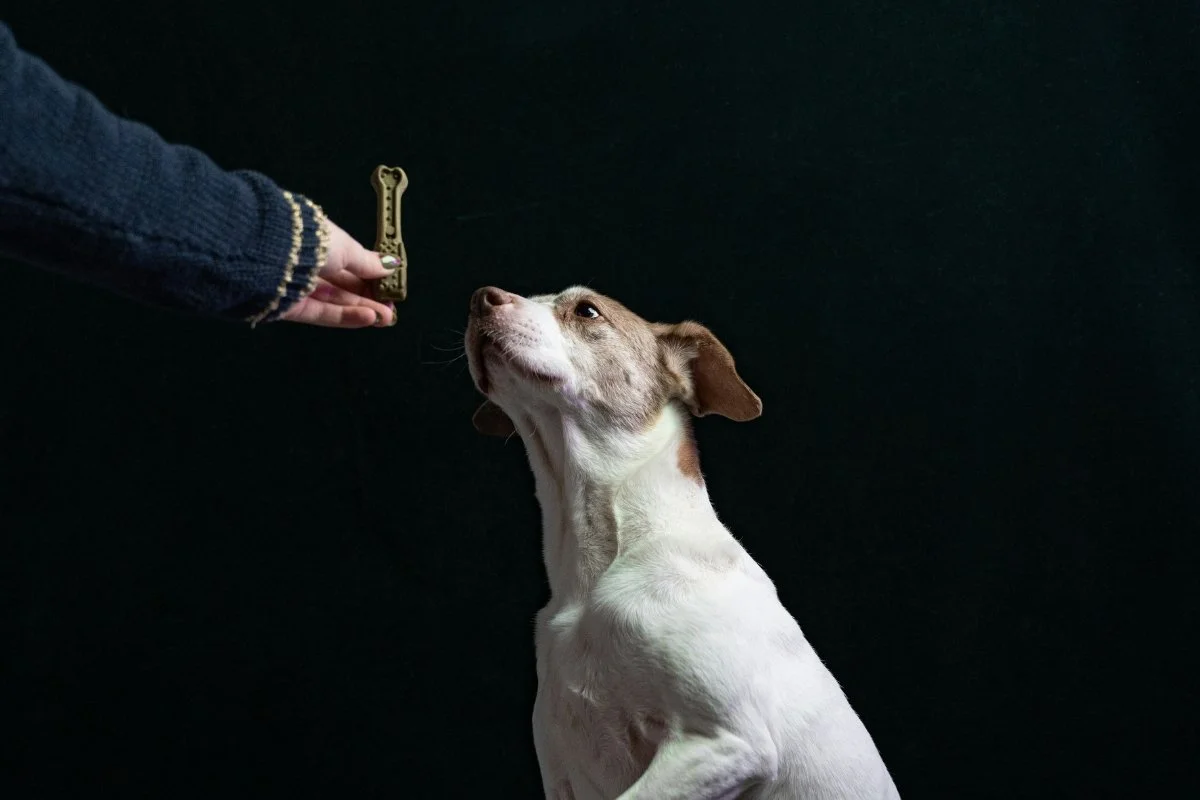
Treats are a great way to reward your dog and reinforce positive behaviour.
When you are training your older rescue dog, positive reinforcement is a great way to develop communication with your dog.
Unfortunately, many rescue dogs have experienced punishment in the past, meaning unkind responses to accidents can increase their anxiety and slow progress.
When your dog toilets in the correct place, reward them immediately with calm praise and treats.
Treats are a fantastic way to motivate your dog and must be given straight after the desired behaviour, so your dog understands exactly what they’re being praised for. Rewarding your dog immediately after toileting in the right place makes your dog more likely to repeat that behaviour in the future.
Learning to recognise your dog’s signals is also key. Sniffing, pacing, circling, suddenly stopping play or becoming restless can all be signs that your dog needs to go outside.
Responding quickly to your dog’s signals helps prevent accidents and reinforces communication between you and your dog.
It is important to have realistic expectations when house training an older dog.
Accidents are to be expected, and if they do happen indoors, stay calm! Clean the area thoroughly and focus on improving prevention and routine rather than blaming your dog.
House Training Challenges with an Older Rescue Dog
House training an older rescue dog takes time and patience.
Even with consistency, setbacks can happen, and progress can be slow, especially during the first few weeks of adjusting to their new environment.
Some dogs may seem to regress during periods of change, such as visitors, routine disruptions, or increased time alone. Others may struggle with anxiety-related accidents, particularly if they find being left alone stressful. Night-time accidents are also common at first and may require a late final toilet break and an extra check through the night.
Fear can also play a role. Dogs that have previously been punished for toileting may try to hide accidents indoors or avoid going in front of their owner. In these cases, building confidence and trust is just as important as teaching routine.
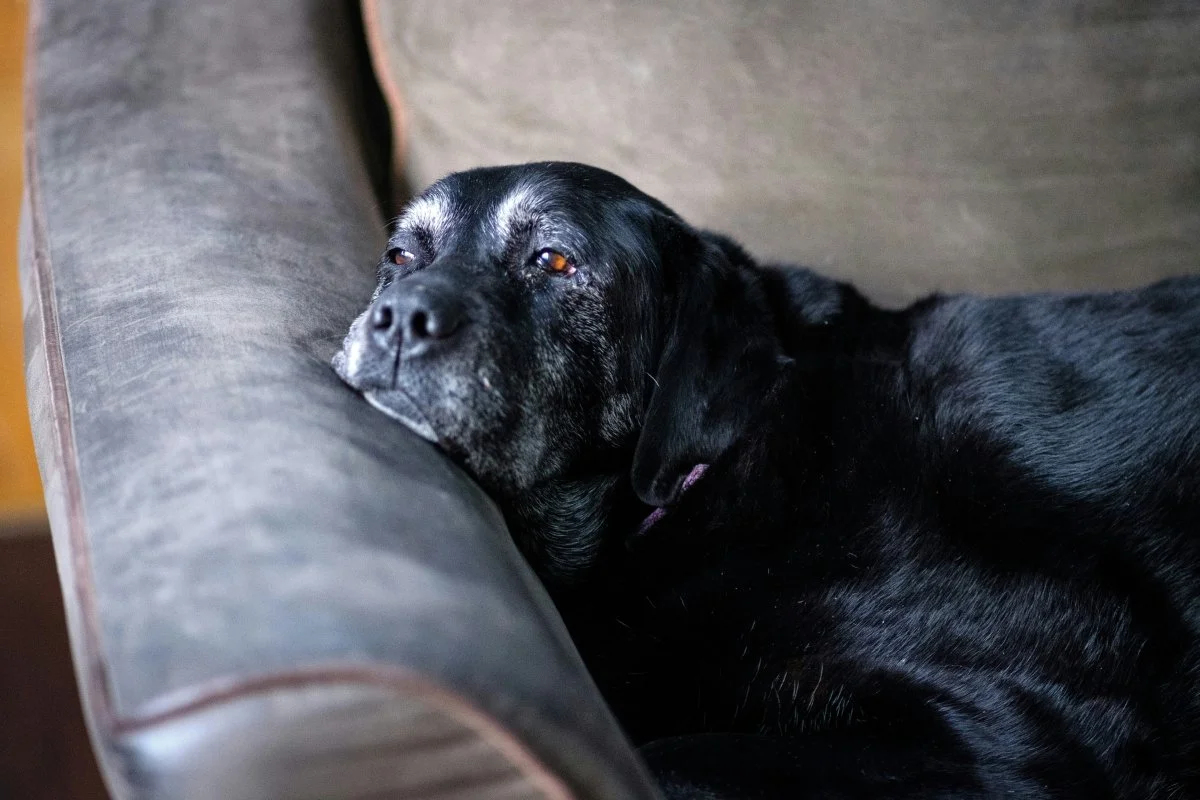
Building confidence and trust with your older rescue dog helps them to feel safe and secure, which in turn makes for better house training.
Rescue Dog Support
As a Certified Dog Behaviourist and Trainer, I understand that house training an older rescue dog can feel overwhelming.
If you are feeling overwhelmed with house training or feel that your rescue dog isn’t making progress, professional support can make a huge difference.
I can help identify the underlying cause of your dog’s behaviour and create a tailored plan for your dog.
I offer Rescue Dog Training and Behaviour Programmes tailored to each dog. Start by telling me a little about your dog.
If you would like to arrange a free discovery call with me, I would love to hear from you.
