Dog Training & Behaviour Blog:
Expert Dog Training Articles and Advice
Welcome to the Walkies dog training and behaviour blog, where you’ll find practical, compassionate advice to help you better understand your dog. This dog blog is full of evidence-based behaviour and training articles written to support you through everyday challenges.
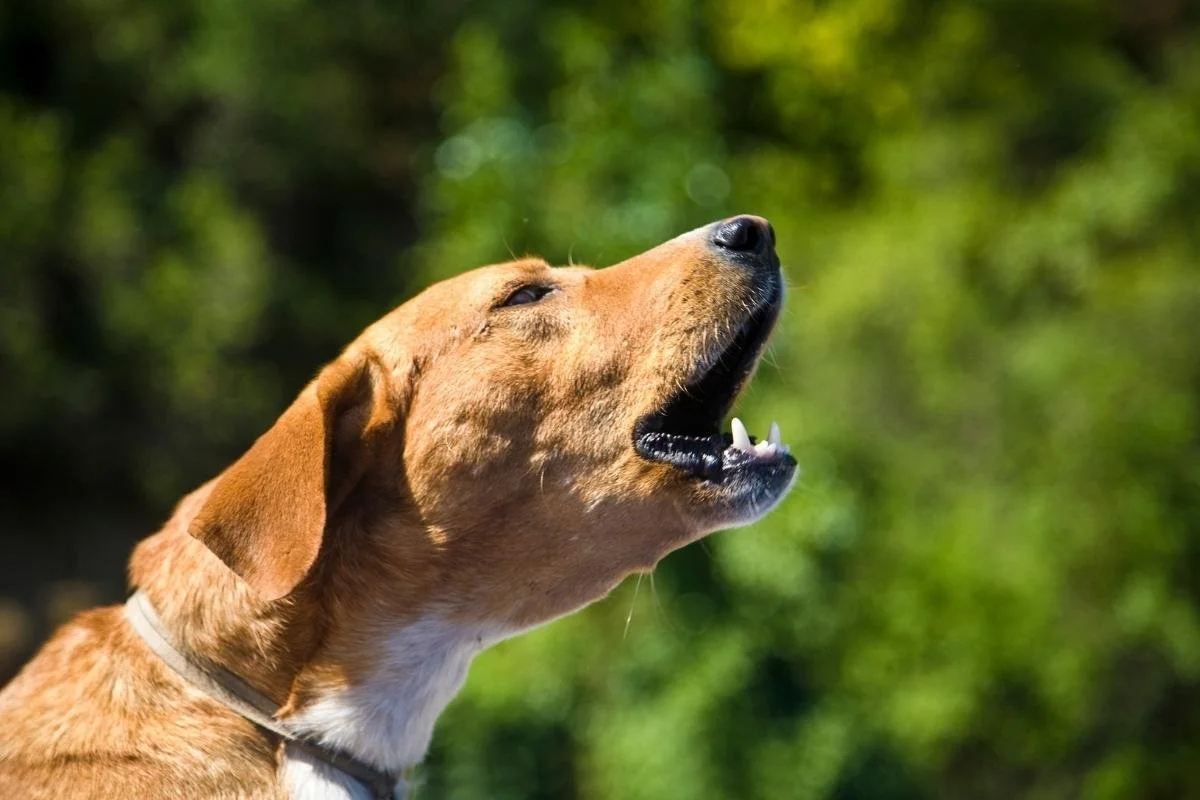
How Can I Help My Reactive Dog? Kind Strategies That Work
Living with a reactive dog can feel overwhelming, but there is a kind, practical way forward. Read this guide to understand what reactivity really means and learn 5 gentle, evidence-based strategies you can start using right away to help your dog.
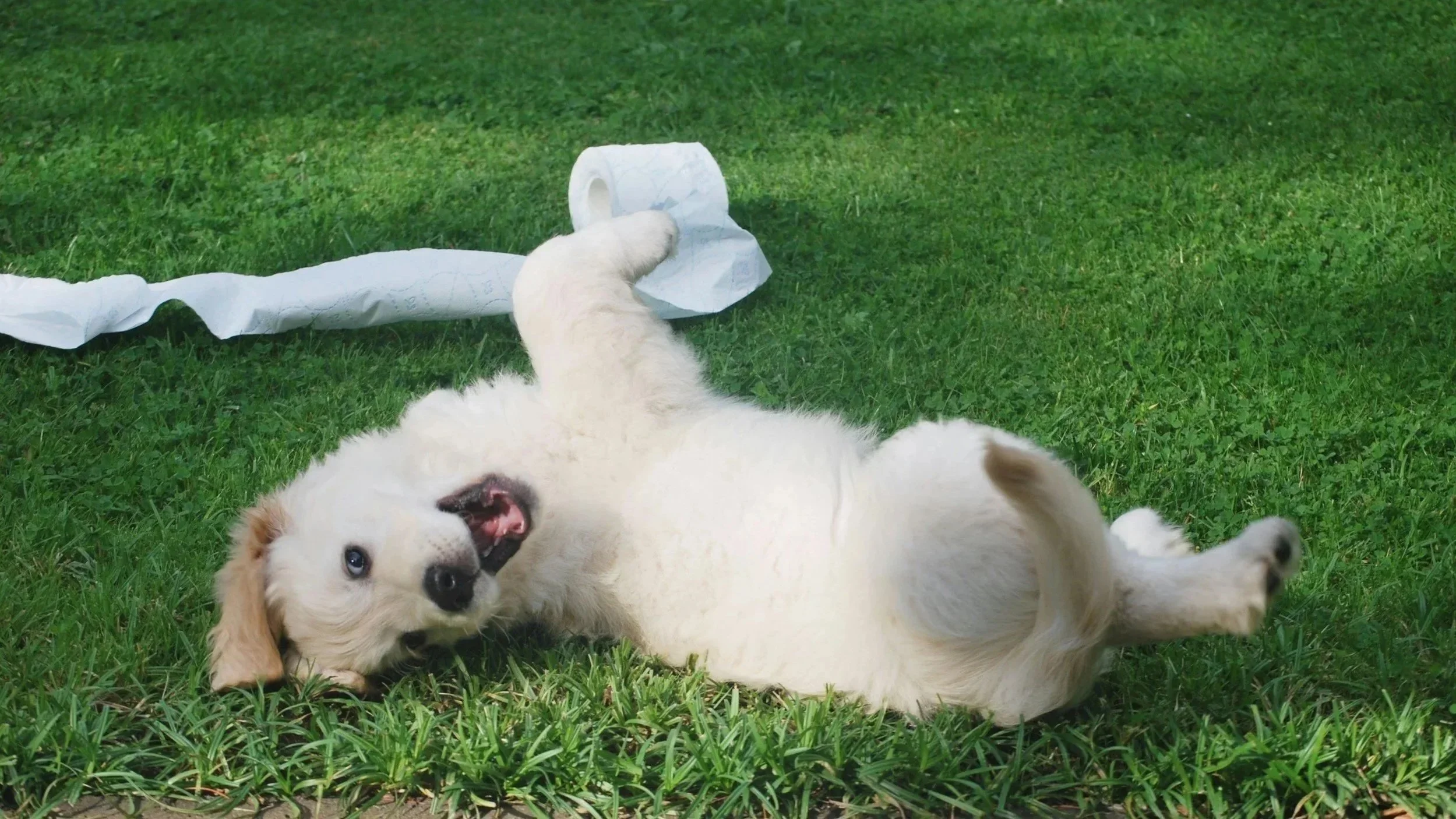
How to Toilet Train a Puppy: A Kind and Practical Guide
Wondering how to toilet train your puppy? Learn practical, kind toilet training tips, including nighttime routines, puppy pads, rewards, and how to handle accidents without punishment.
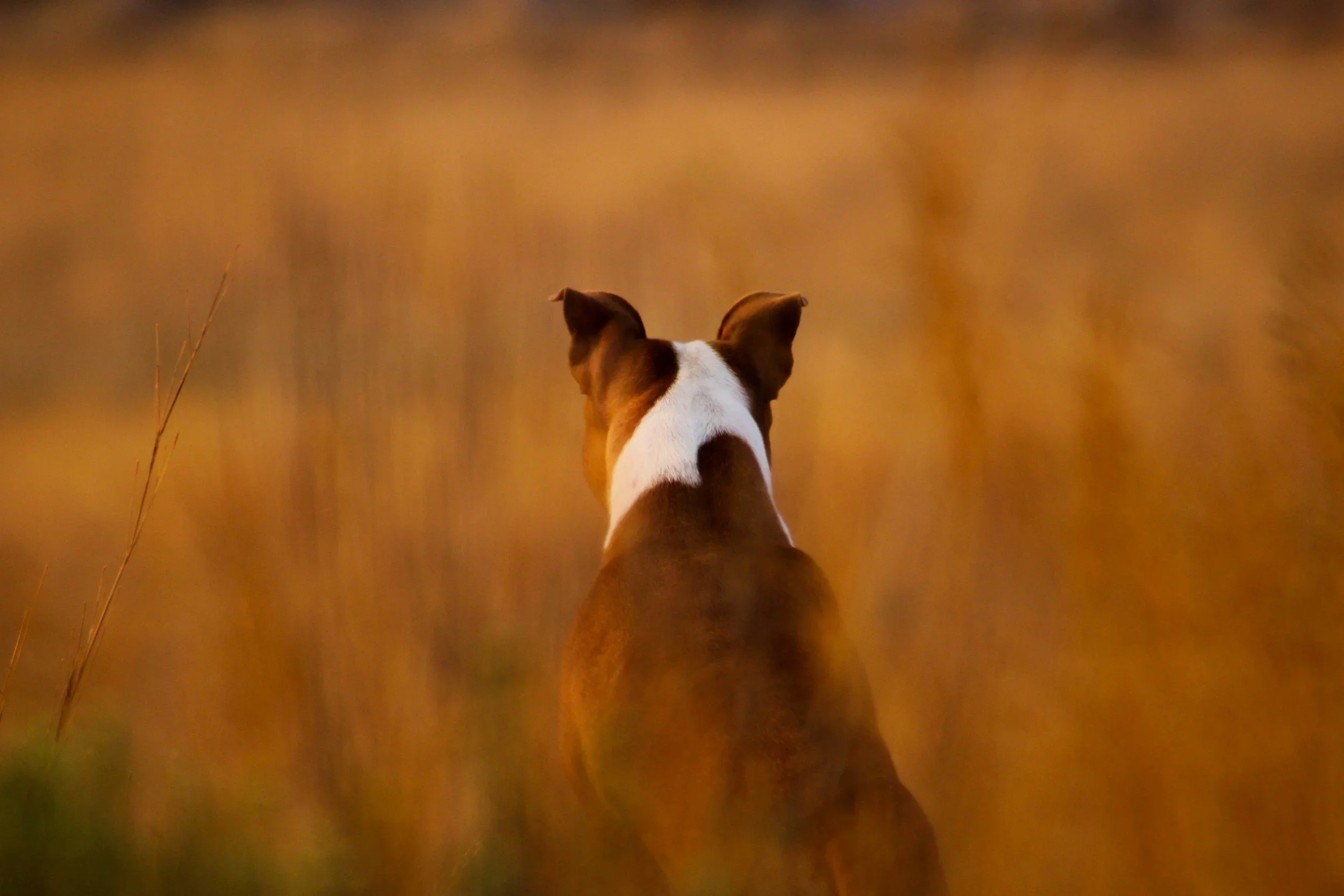
Raised hackles in dogs: what does it really mean?
Ever noticed the fur on your dog’s back and neck suddenly standing up on end? This is called piloerection - more commonly known as raised hackles. People often assume when a dog’s hackles are raised it simply means aggression, but that’s not the whole story! Piloerection is an automatic response of the sympathetic nervous system, triggered by fear, stress, arousal or excitement. To understand what your dog is really feeling, you need to look at the whole picture, not just the raised hackles.
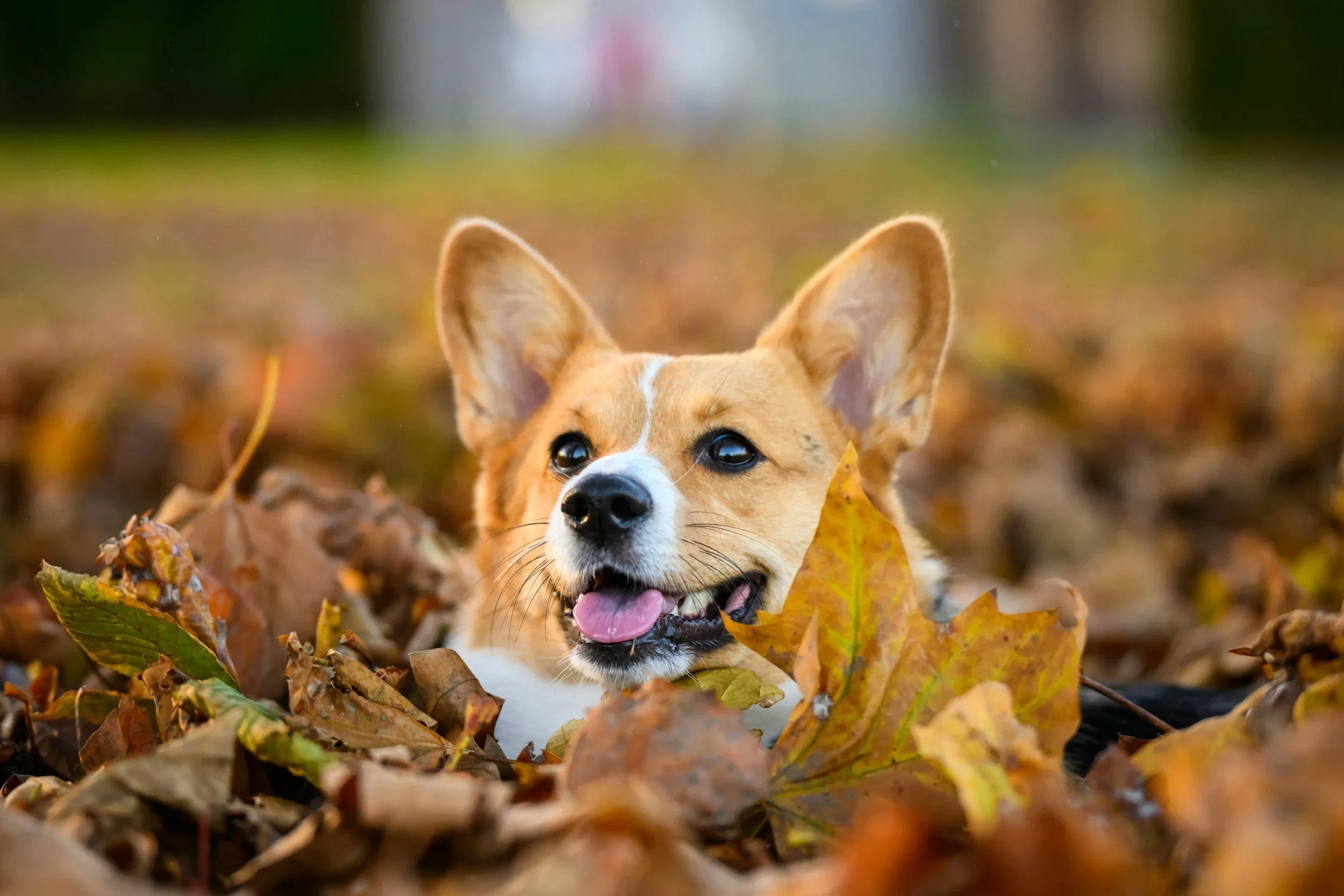
Why dogs sniff more in autumn
Have you noticed your dog stopping more often to sniff in autumn? Cooler, damp air, fallen leaves and wildlife activity make this season one of the richest for scent. From earthy leaf litter to that ‘after rain’ smell we call petrichor, autumn offers dogs an incredible sensory world. Learn why their noses work overtime at this time of year and how you can turn everyday walks into enriching sniffari adventures.

Why Has My Dog Stopped Listening? Understanding Adolescent Dogs
Has your well-trained puppy suddenly forgotten their recall, started pulling on the lead or become more reactive? Learn what to expect during adolescence and how to support your teenage dog through this challenging stage.

The science of sniffing: how dog’s noses support their wellbeing
Sniffing is far more than a habit -it’s a vital part of a dog’s wellbeing. With up to 300 million scent receptors and even the ability to detect radiant heat, dogs experience the world through their noses. Research shows that allowing sniffing reduces stress, enriches daily life and supports emotional balance. Restricting it can lead to frustration and behavioural issues. Discover why giving your dog time to sniff is one of the kindest choices you can make.
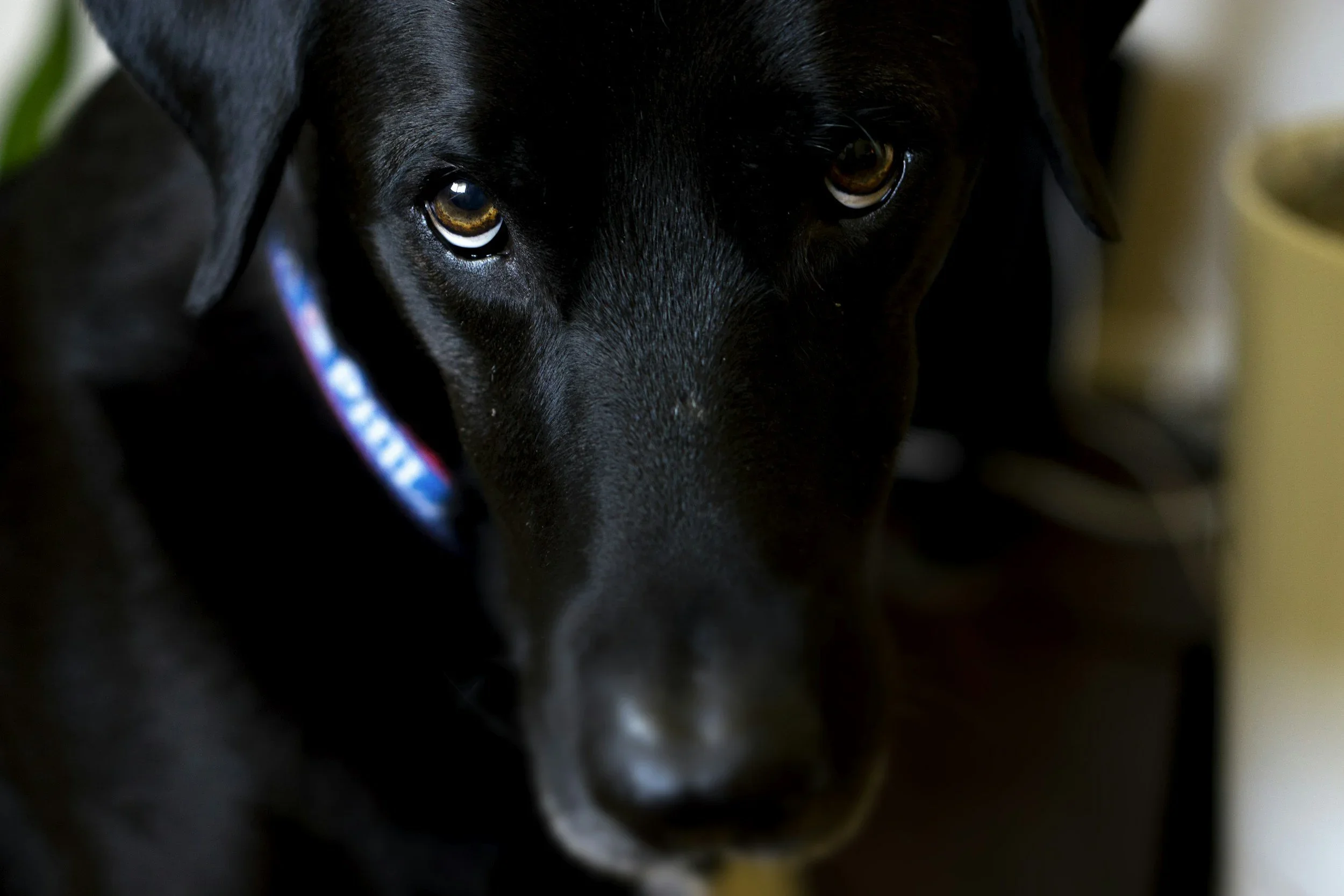
The ‘Guilty look’ in dogs: what it really means
Many people believe their dog’s ‘guilty look’ means they know they’ve done wrong. But research shows otherwise. Those lowered ears and tucked body aren’t signs of guilt - they are appeasement gestures in response to our tone and body language. In this blog, we explore what the ‘guilty look’ really means and how positive training helps dogs to feel safe and understood.

A holistic approach to dog behaviour
Dog behaviour is never just about what we see on the surface. A holistic approach looks at the whole picture - from health and emotions to environment and learning history. By combining veterinary care, enrichment and positive reinforcement, we can support welfare, reduce stress and create lasting behaviour change built on trust and mutual understanding.
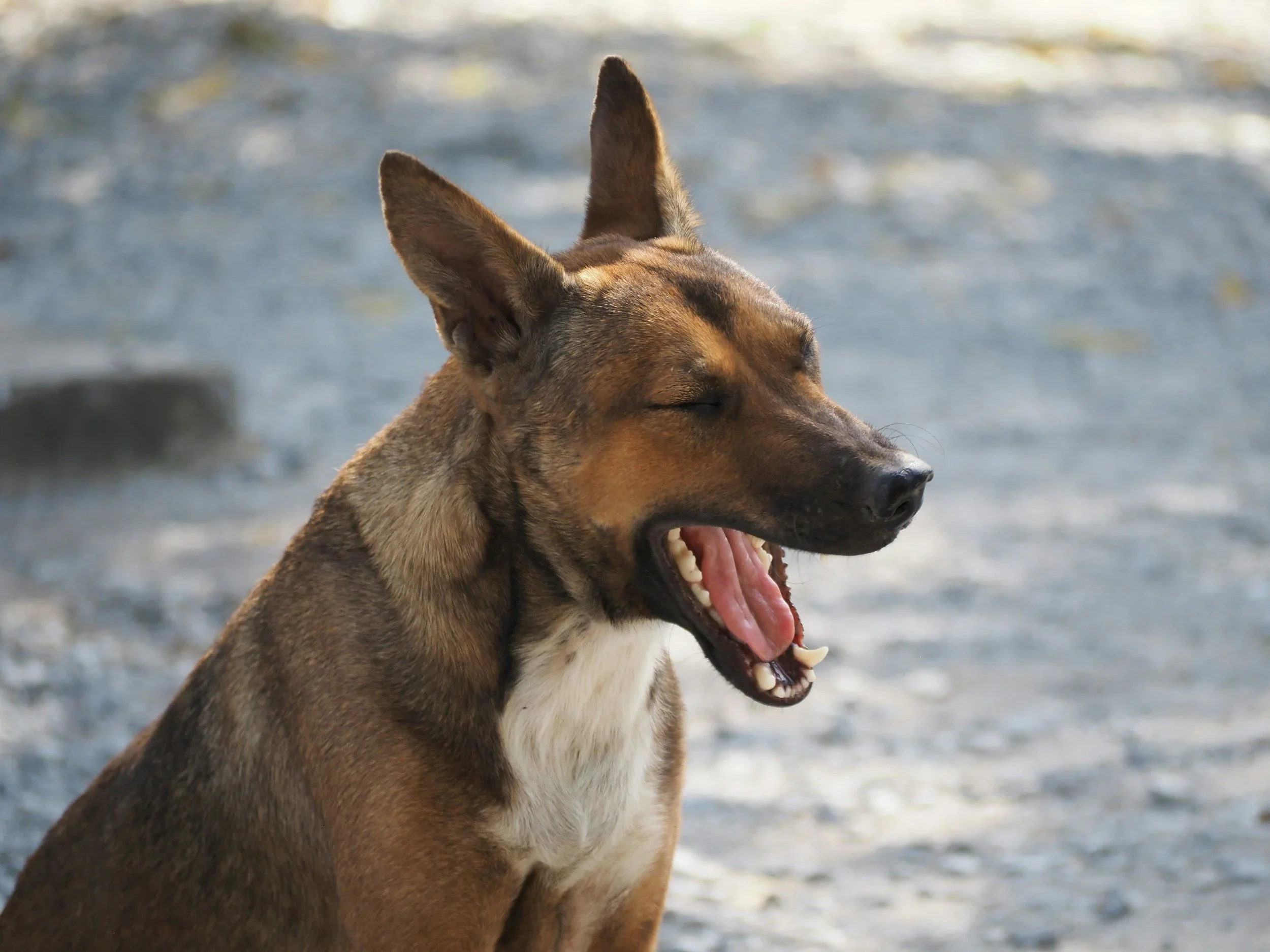
Stress signals in dogs
Did you know that dogs show signs of stress long before they bark or growl? Recognising early signals like yawning, lip-licking or turning away can help you step in before behaviour escalates.

Why is my dog reactive?
Reactivity in dogs is often misunderstood. It is not about being dominant or misbehaving. It can be about fear, frustration, unmet needs or even pain. Learn what drives reactivity and how you can help your dog and enjoy more peaceful walks together.
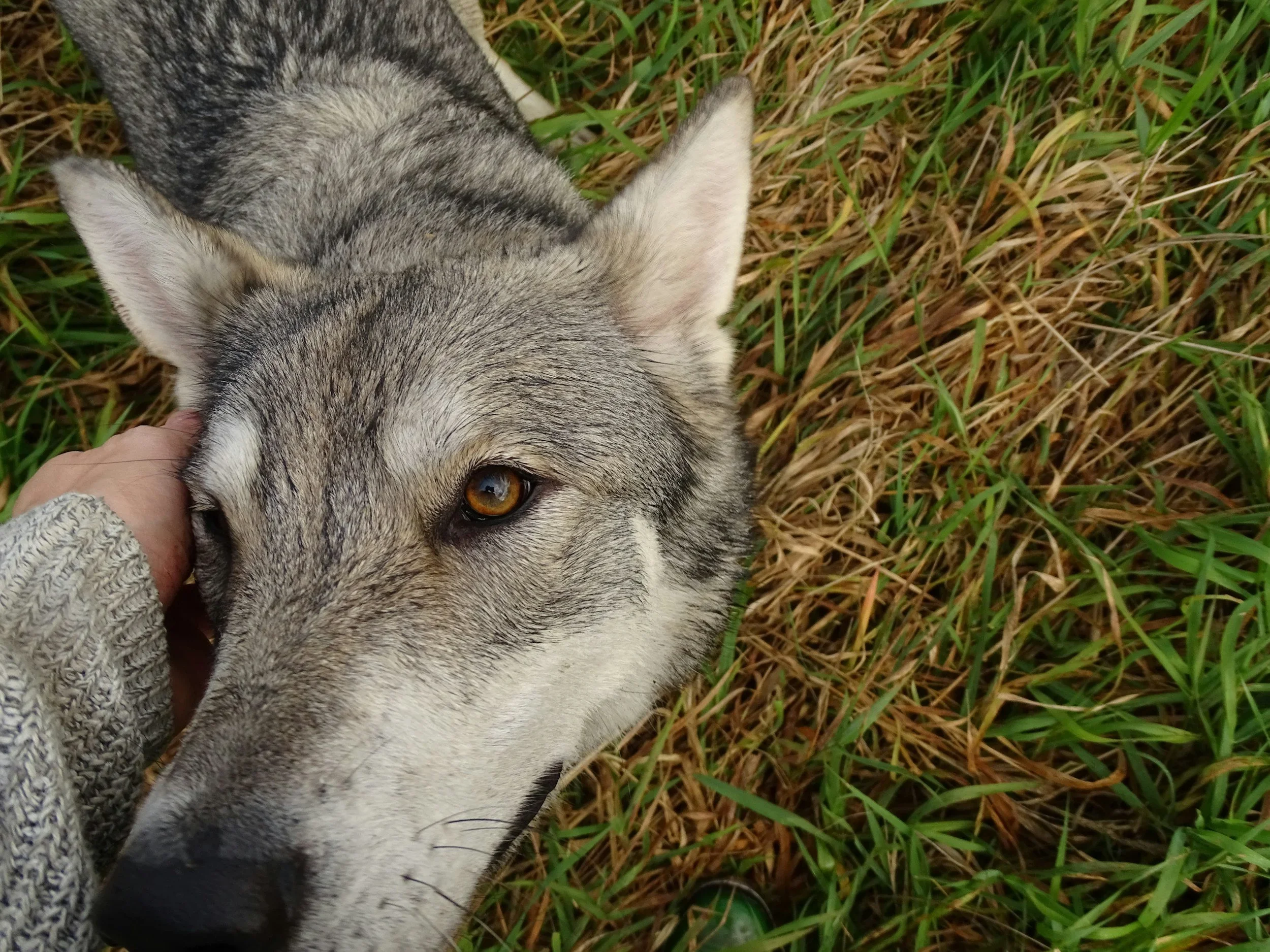
Should I Comfort My Dog When They're Scared? The Importance of Helping Dogs Feel Safe
Many owners worry that comforting a frightened dog will make their fear worse. Discover why helping dogs feel safe builds trust, confidence and resilience, and learn practical ways to support anxious or worried dogs.

Why Has My Dog's Behaviour Changed? It May Not Be a Training Problem
Has your dog's behaviour changed recently? Whether they're barking more, struggling to settle, becoming reactive or seeming less able to cope, the answer isn't always more training. Discover how stress, pain, sleep, excitement and coping capacity can influence behaviour and what you can do to help.

Why Is My Dog So Sensitive to Everything? Understanding Environmental Sensitivity
Does your dog seem nervous, easily startled or overwhelmed on walks? Some dogs are naturally more sensitive to the world around them. Learn what environmental sensitivity looks like and how to build confidence without pressure.
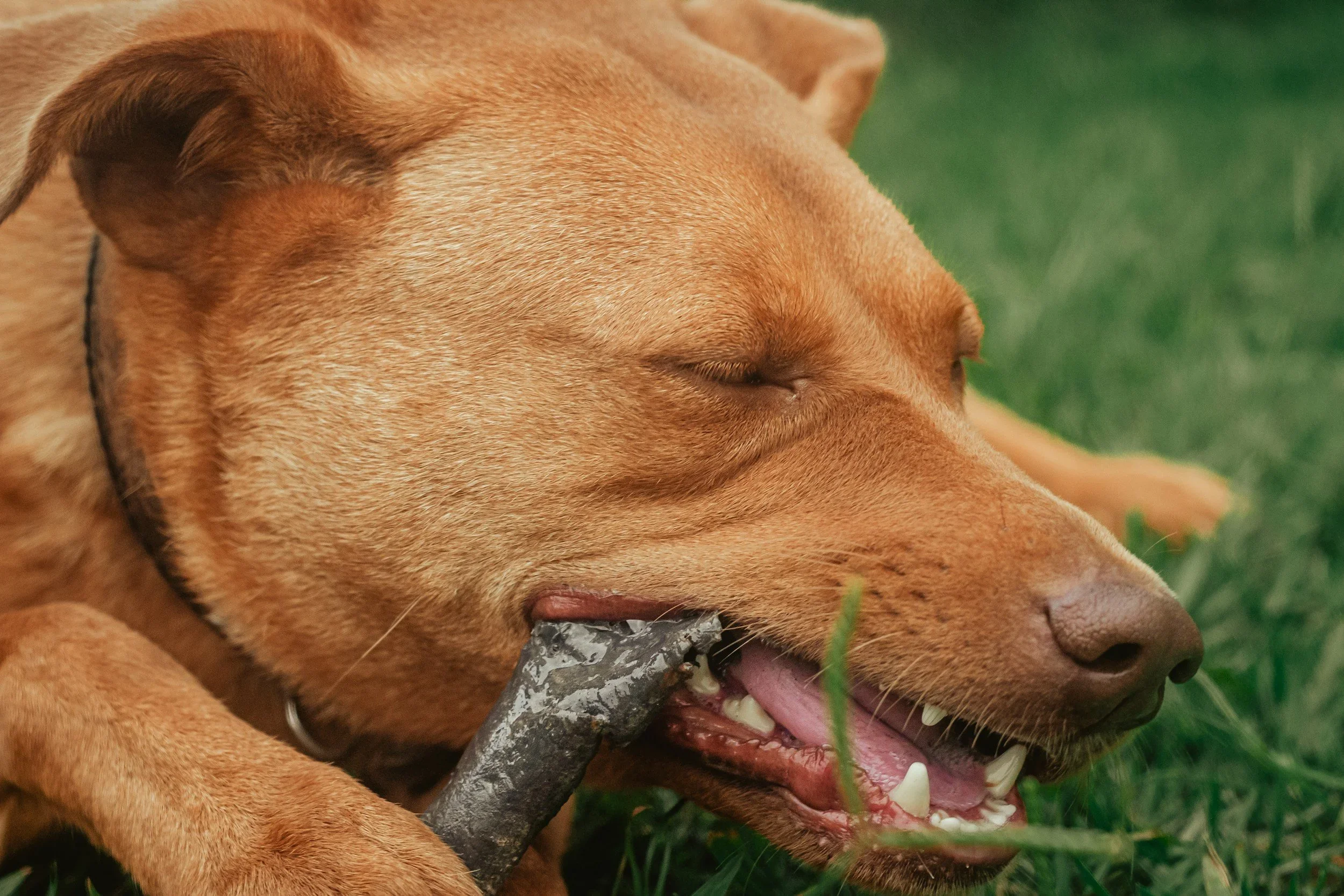
The importance of chewing for adult dogs
Chewing isn’t just for puppies! Discover why chewing is essential for adult dogs and how it supports their wellbeing, reduces stress and prevents boredom.