I Love My Puppy, But I'm Not Enjoying This: The Reality of Puppyhood and Why Early Support Helps
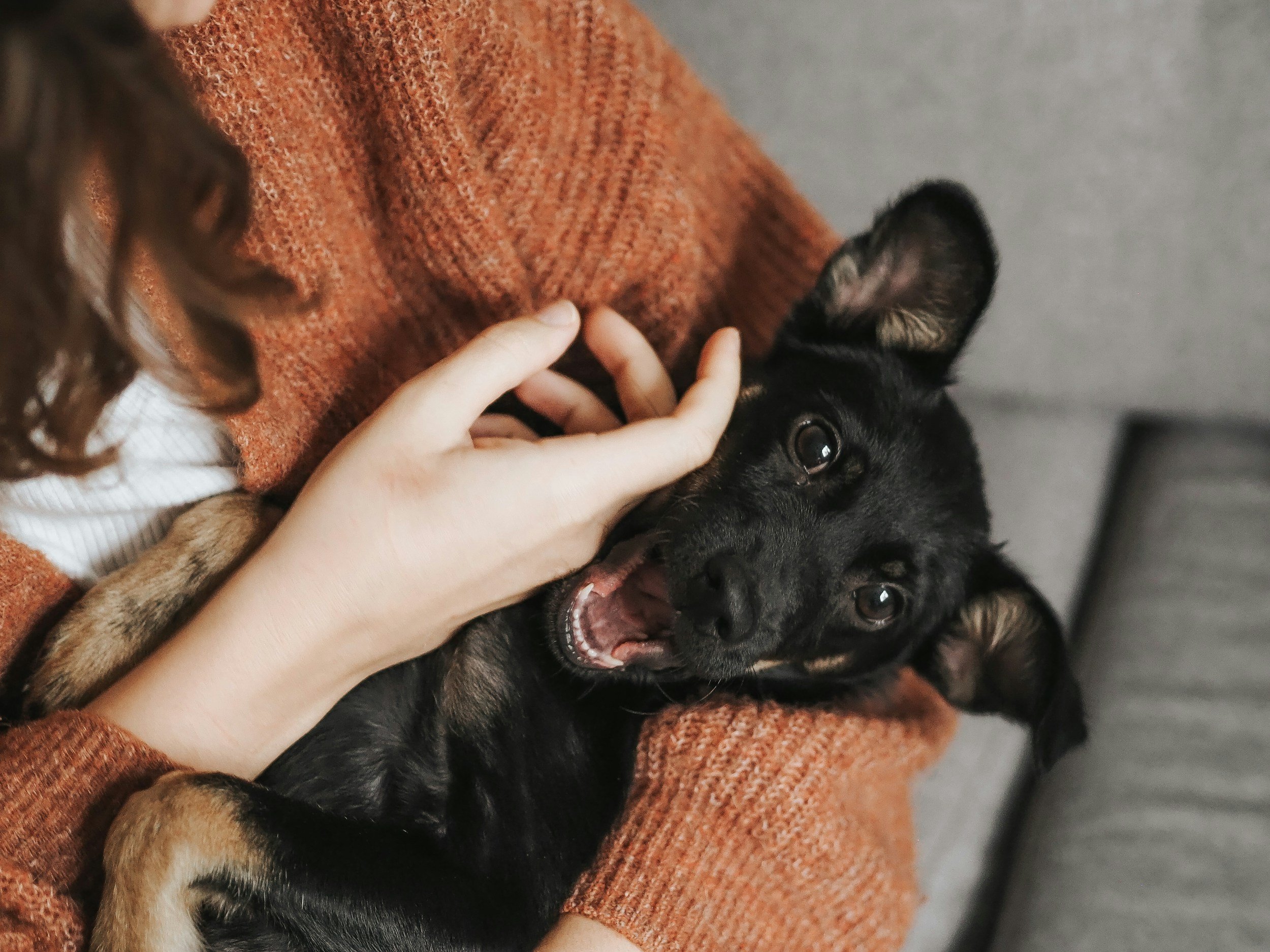
Puppyhood can be wonderful, exhausting, frustrating and rewarding — sometimes all in the same day
Bringing home a puppy is often something people look forward to for months, sometimes even years.
You imagine cosy cuddles on the sofa, lovely walks together, and a loyal companion who becomes part of the family.
Then reality arrives.
Your puppy bites everything.
They wake up during the night.
They have accidents in the house.
They steal socks.
They bark.
They jump up.
They seem incapable of settling down for more than five minutes.
And suddenly, instead of feeling excited, you find yourself feeling exhausted.
If this sounds familiar, please know that you are not alone.
The Side of Puppy Ownership Nobody Talks About
Social media is full of adorable puppy photos, funny videos, and proud training milestones.
What we don't see as often are the tears, frustration, sleep deprivation, and self-doubt that many puppy owners experience behind closed doors.
I regularly speak to owners who tell me they feel overwhelmed, guilty, frustrated, or worried they are getting everything wrong.
Some admit they feel trapped by the constant demands of puppyhood.
Others tell me they are no longer enjoying having a dog at all.
I've worked with owners who have cried during consultations because they felt completely overwhelmed. Some have even admitted that seeking professional support felt like a last resort because they had started wondering whether they could cope long-term or whether rehoming their puppy might be the only option.
These feelings are far more common than most people realise. Many people refer to these feelings as the "puppy blues".
Loving Your Puppy and Finding Puppyhood Difficult Can Both Be True
Many owners feel guilty for struggling.
After all, this is the puppy they wanted.
The puppy they chose.
The puppy they love.
But loving your puppy doesn't automatically make puppyhood easy.
Puppies require an enormous amount of time, energy, patience, and emotional investment. They are learning how to live in a human world while their brains, bodies, and emotions are still developing.
They are not miniature adult dogs.
They are young dogs navigating a human world for the very first time.
And sometimes living with a puppy is hard work.
"Everyone Told Me It Was Normal"
One of the challenges puppy owners face is the amount of advice available.
Friends, family members, social media groups, online forums, and complete strangers are often quick to offer their opinions.
Many owners are told:
"They'll grow out of it."
"Mine did that."
"You just need to be firmer."
"He's testing you."
"She's trying to be dominant."
Sometimes the advice is helpful.
Sometimes it isn't.
While many puppy behaviours are completely normal, that doesn't mean owners should simply struggle through them alone.
Puppies do grow and mature. However, behaviours that are repeatedly practised can also become well-established habits.
This doesn't mean your puppy is being naughty.
It simply means they are learning from their experiences every single day.
Puppies Need Guidance, Not Punishment
When owners become frustrated, it's natural to start looking for solutions.
Unfortunately, this is often when people receive advice that labels puppies as naughty, stubborn, dominant, or deliberately difficult. Many are encouraged to punish behaviours such as biting, jumping up, pulling on the lead, stealing items, or barking.
The reality is that puppies are not trying to make life difficult for us. They are simply being puppies.
That doesn't mean we allow them to do whatever they want.
Puppies absolutely need guidance, structure, and boundaries.
The difference is that effective boundaries do not need to rely on fear, intimidation, or punishment.
Shouting at a puppy rarely teaches them the skills we would like them to learn. More often, it either scares them, increases excitement, or risks damaging the trusting relationship we are trying to build.
Instead, we can teach puppies what we would like them to do, help them develop new skills, and prevent unwanted behaviours from becoming well-rehearsed habits.
It's Not About Having the Perfectly Trained Puppy
One of the biggest misconceptions about puppy training is that it's about creating a perfectly behaved dog.
It isn't.
It's about helping your puppy develop the life skills they need to navigate the world confidently and helping you understand how to support them along the way.
For some families, that might mean support with puppy biting, jumping up, or settling at home.
For others, it might be helping a puppy feel comfortable around visitors, introducing loose lead walking skills, building confidence, or learning how to support appropriate interactions with people and dogs.
Every puppy is different.
Every family is different.
What matters is not whether your puppy can perform a long list of cues. What matters is whether they are developing the skills they need to thrive as they grow.
Early Support Can Make a Huge Difference
One of the biggest advantages of seeking support early is that we can often prevent perfectly normal puppy behaviours from becoming well-rehearsed habits.
Behaviours such as mouthing, jumping up, pulling on the lead, becoming over-excited around visitors, stealing items, barking for attention, or struggling to settle are all common parts of puppyhood.
The challenge is that every time a behaviour is practised, it becomes more familiar and more likely to happen again.
Early support isn't about expecting puppies to behave like adult dogs.
It's about helping owners understand what is normal, setting gentle boundaries, meeting their puppy's needs, and teaching alternative skills before unwanted behaviours become part of everyday life.
A puppy who learns how to greet visitors calmly is less likely to spend months rehearsing frantic jumping and over-arousal. A puppy who learns that a loose lead helps them access the things they want is less likely to develop a long history of pulling. A puppy who is supported through frustration, excitement, and rest is often better able to develop the emotional skills they will need later in life.
Small interventions early on can make a surprisingly big difference to the dog you are living with a year later.
Socialisation Is About More Than Puppy Class
Socialisation is often misunderstood as simply meeting lots of people and dogs.
In reality, good socialisation is about helping puppies have positive experiences and learn that the world is a safe place to be.
While puppy classes can be a useful part of that process, puppies don't live their lives in village halls. Puppies also need opportunities to experience real life. Quiet walks, different surfaces, traffic, cafes, visitors to the home, car journeys, children playing, livestock, garden centres, and all the other sights and sounds that make up everyday life can play an important role in helping puppies develop confidence and resilience.
This is one of the reasons I enjoy supporting puppies in real-world settings. It allows us to focus on the things that matter most to you and your puppy, providing practical guidance that fits into your everyday life rather than relying solely on what happens during a weekly class.
Whether we're working together at your home, in my private paddock near Necton, or in local areas around Swaffham or Dereham, these real-world experiences allow puppies to develop confidence and life skills in the environments that matter most.
Compassionate Support for Puppies and Their Families
Puppies are not miniature adult dogs. They are learning how to navigate a human world while their brains, bodies, and emotions are still developing.
They need opportunities to chew, sniff, explore, rest, play, learn, and make sense of the world around them.
At the same time, puppy owners need support too.
Many people come to me feeling overwhelmed, frustrated, or worried they are getting things wrong. They have often received conflicting advice, tried countless suggestions from the internet, and are doing their very best to help their puppy succeed.
My role isn't to judge either end of the lead.
It's to help owners understand what is normal, what their puppy might be communicating, and how to build the foundations for a positive relationship based on trust, understanding, and realistic expectations.
No Judgement, Just Support
Seeking help early doesn't mean you've failed.
It doesn't mean your puppy has a problem.
And it certainly doesn't mean you're a bad owner.
Sometimes it simply means you'd like some reassurance, practical guidance, and support from someone who understands both puppy behaviour and the realities of living with a growing dog.
If you're struggling with puppy biting, jumping up, pulling on the lead, settling, over-excitement, confidence concerns, or you're simply wondering whether what you're seeing is normal, you don't have to figure it out alone.
As a Certified Dog Behaviourist and Trainer, I offer personalised puppy training and behaviour support for owners in Swaffham, Dereham, Fakenham, Watton, Necton and surrounding areas of Norfolk, helping puppies and their families build confidence, life skills and strong foundations from the very beginning.
Tell Me About Your Puppy and I'll help you find the best next step for you both.
Because raising a puppy isn't about creating a perfect dog.
It's about helping a young dog and their family learn, grow, and navigate life together.
And sometimes, having the right support along the way can make all the difference.
Need personalised support for your dog?
If you're not sure where to start, my 1-1 Intro Training Session provides personalised guidance and a clear plan tailored to your dog.
Book Your First Session
About the Author
Vivienne Moore ACB-KSA, PCT-A is a Certified Dog Behaviourist and Trainer based near Swaffham, Norfolk. She specialises in helping puppies, adolescent dogs, rescue dogs, and dogs experiencing behavioural challenges through compassionate, evidence-based support.
Vivienne works with families across Norfolk, focusing on practical, real-world training that builds confidence, strengthens relationships, and helps dogs develop the skills they need to thrive.
