Is Your Dog Scared of the Vet? Practical Ways to Reduce Stress at Veterinary Visits
For many dogs, a trip to the vet can be a stressful experience.
Unfamiliar smells, strange noises, other animals, handling by unfamiliar people, and previous experiences can all contribute to feelings of uncertainty or anxiety. Some dogs become reluctant to enter the building, whilst others may tremble, freeze, hide behind their owners, or refuse to leave the car altogether.
As a dog behaviourist, I often work with dogs who struggle at the vets. The good news is that there are many simple things owners can do to help their dogs feel safer, more comfortable, and better prepared for veterinary visits.
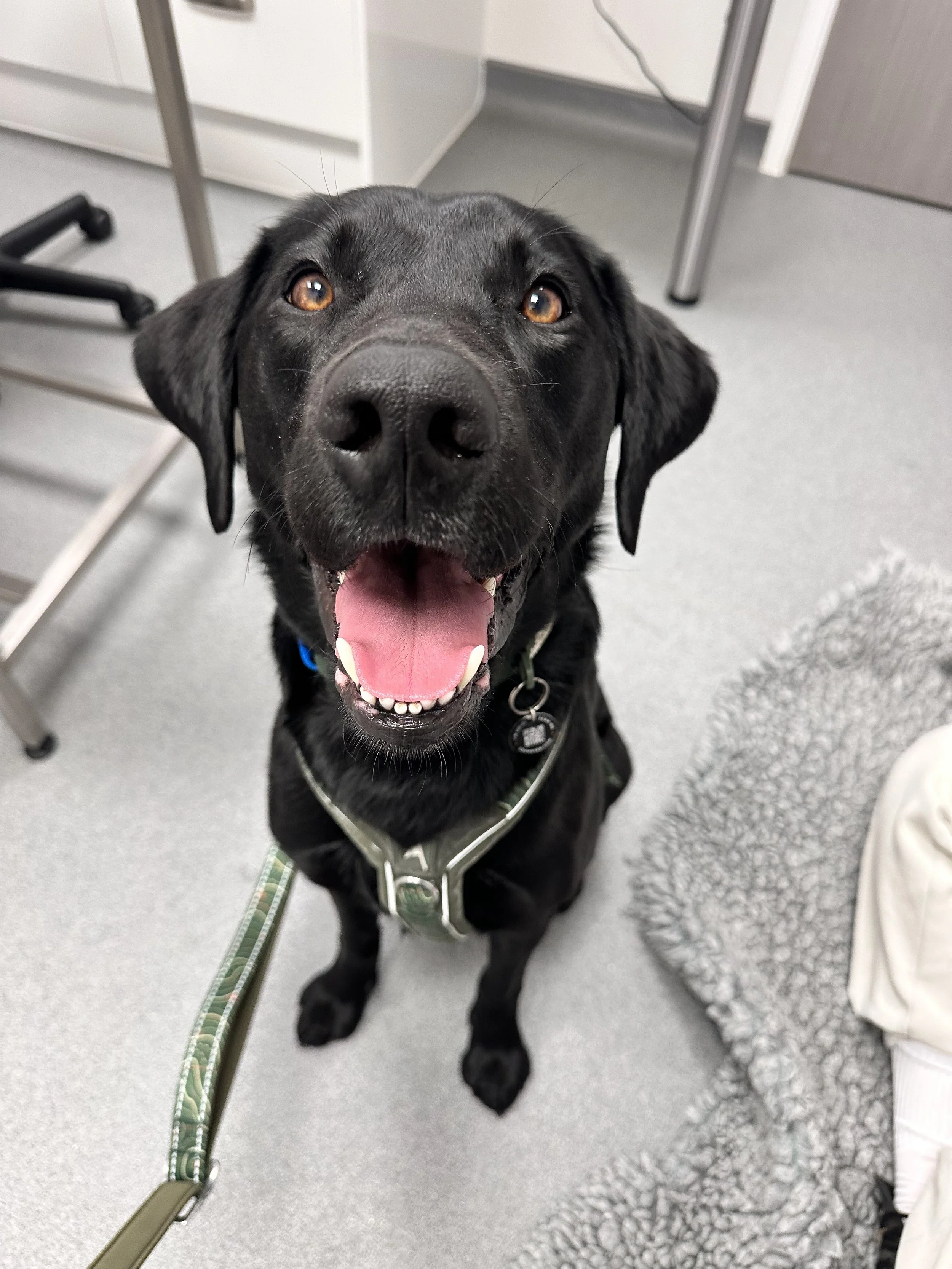
Archie waiting for his appointment. Not every dog loves the vet, but small adjustments, positive experiences, and working at your dog's pace can make visits far less stressful.
Why Do Some Dogs Become Worried at the Vet?
From a dog's perspective, veterinary practices can be overwhelming places.
Dogs are often exposed to:
Unfamiliar people
Strange smells
Other animals
Slippery floors
Physical examinations
Handling and restraint
Potentially painful procedures
Even dogs who are generally confident can find these experiences difficult.
For some dogs, a single unpleasant experience can create a negative association. For others, the veterinary environment simply feels unpredictable and overwhelming.
It is also important to remember that underlying pain or physical discomfort can sometimes contribute to anxiety around handling, movement, or veterinary examinations. If your dog's behaviour changes suddenly or deteriorates, discussing physical health with your vet is always worthwhile.
Signs Your Dog May Be Struggling
Many owners expect a frightened dog to bark, growl, or attempt to escape. Whilst some dogs do, many communicate their discomfort in far more subtle ways.
Common signs of stress include:
Lip licking
Yawning
Whale eye (showing the whites of the eyes)
Trembling
Panting when not physically warm
Refusing food
Freezing
Hiding behind owners
Pulling towards the exit
Increased clinginess
Avoiding interaction
Recognising these early signs allows us to support our dogs before they become overwhelmed.
Before the Appointment
Avoid Arriving Too Early
If your dog finds the veterinary environment difficult, arriving 20 minutes early and sitting in a busy waiting room may increase stress levels before the consultation has even begun.
Aim to arrive only a few minutes before your appointment where possible.
Wait in the Car
Many veterinary practices are happy for owners to wait outside rather than in the waiting room.
You can call reception or pop in briefly to let them know you have arrived and ask whether they can contact you when the vet is ready.
This simple adjustment can make a significant difference for dogs who find busy waiting rooms overwhelming.
Exercise Thoughtfully
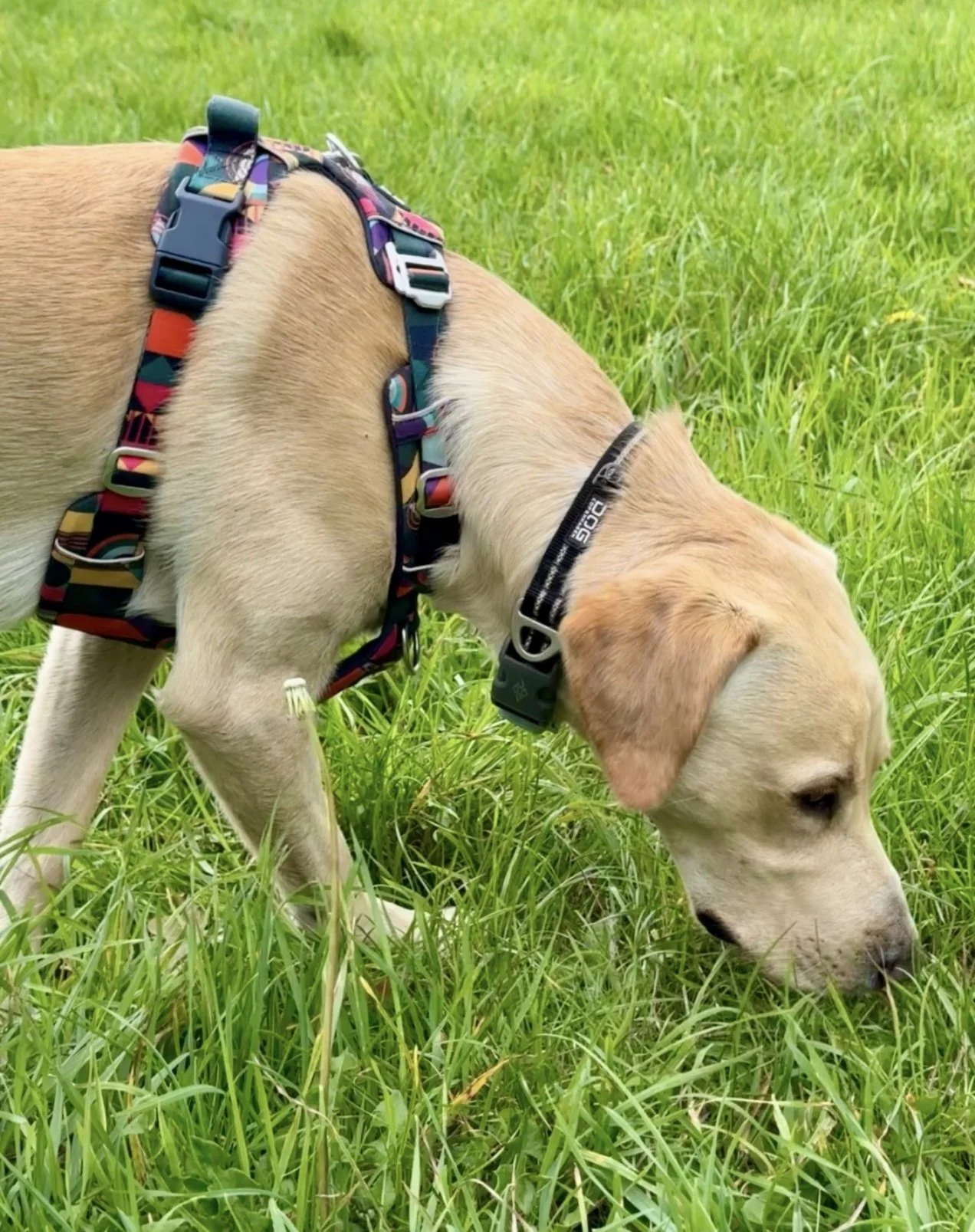
Many owners try to tire their dog out before a veterinary appointment.
Whilst this can be helpful for some dogs, a highly stimulating walk beforehand can sometimes leave sensitive dogs feeling more aroused and less able to cope.
Instead, consider a calm sniffy walk, opportunities to explore at their own pace, and allowing time for a toilet break before the appointment.
Bring What Helps Your Dog Relax
Consider taking items that help your dog feel safe and comfortable, such as:
High-value treats
A favourite toy
A lick mat
A snuffle mat with scattered treats
A familiar blanket
Veterinary visits are not the time to worry about perfect nutrition. Take something your dog absolutely loves.
For some dogs, a few minutes of sniffing or foraging before entering the consultation room can help lower arousal levels and encourage calmer behaviour.

Consider Your Equipment
If your dog is worried, uncomfortable equipment can add to the challenge.
Where possible, use equipment your dog is already comfortable wearing and that allows them to move naturally. Many dogs feel more secure in a well-fitted harness and lead than equipment that relies on pressure or restriction.
Advocate for Your Dog
One of the most important things you can do is advocate for your dog's needs.
Your dog relies on you to help them feel safe.
It is perfectly acceptable to let veterinary staff know if your dog:
Is nervous around unfamiliar people
Prefers not to be approached directly
Needs a little extra time to process
Finds certain types of handling difficult
Is worried around other dogs
Most veterinary professionals greatly appreciate this information, as it allows them to adapt their approach and create a more positive experience.
Give Your Dog Time to Gather Information
Dogs learn about their environment through observation and scent.
Allowing your dog to look, sniff, and process information can help them feel more comfortable.
Not every interaction needs to happen immediately. For many dogs, simply being given a little time to observe and gather information can significantly reduce anxiety.
Work With Your Veterinary Team
Your vet wants the same thing you do: a safe, low-stress experience for your dog.
If your dog finds visits particularly difficult, speak openly with your veterinary team.
They may be able to offer:
Quiet appointment times
Longer consultations
Waiting outside until called
Alternative appointment arrangements
Pre-visit medication where appropriate
Veterinary professionals are increasingly recognising the importance of reducing fear, anxiety, and stress during appointments, and many practices are happy to make reasonable adjustments.
Practise Cooperative Care at Home
The best time to prepare your dog for veterinary handling is when they are relaxed and healthy.
Cooperative care involves teaching dogs that handling is predictable, safe, and associated with positive experiences.
Simple exercises might include:
Looking in ears
Touching paws
Lifting lips briefly
Gentle body handling
Standing calmly on a mat
Practising short periods of stillness
The goal is not to force compliance but to build confidence and predictability around handling.
Keep sessions short, positive, and always respect your dog's comfort level.
Create Positive Vet Experiences
Not every visit needs to involve treatment.
If your veterinary practice is supportive, consider arranging brief visits where your dog can:
Walk into reception
Take treats from staff
Explore the environment
Leave again
These positive experiences can help change your dog's emotional response to the veterinary practice over time.
Some dogs benefit from visiting the practice for reasons other than treatment. Stopping by to say hello, taking treats in reception, stepping on the scales, or spending a few minutes in the car park before heading home can all help build positive associations over time.
Why Every Dog Should Learn to Wear a Muzzle
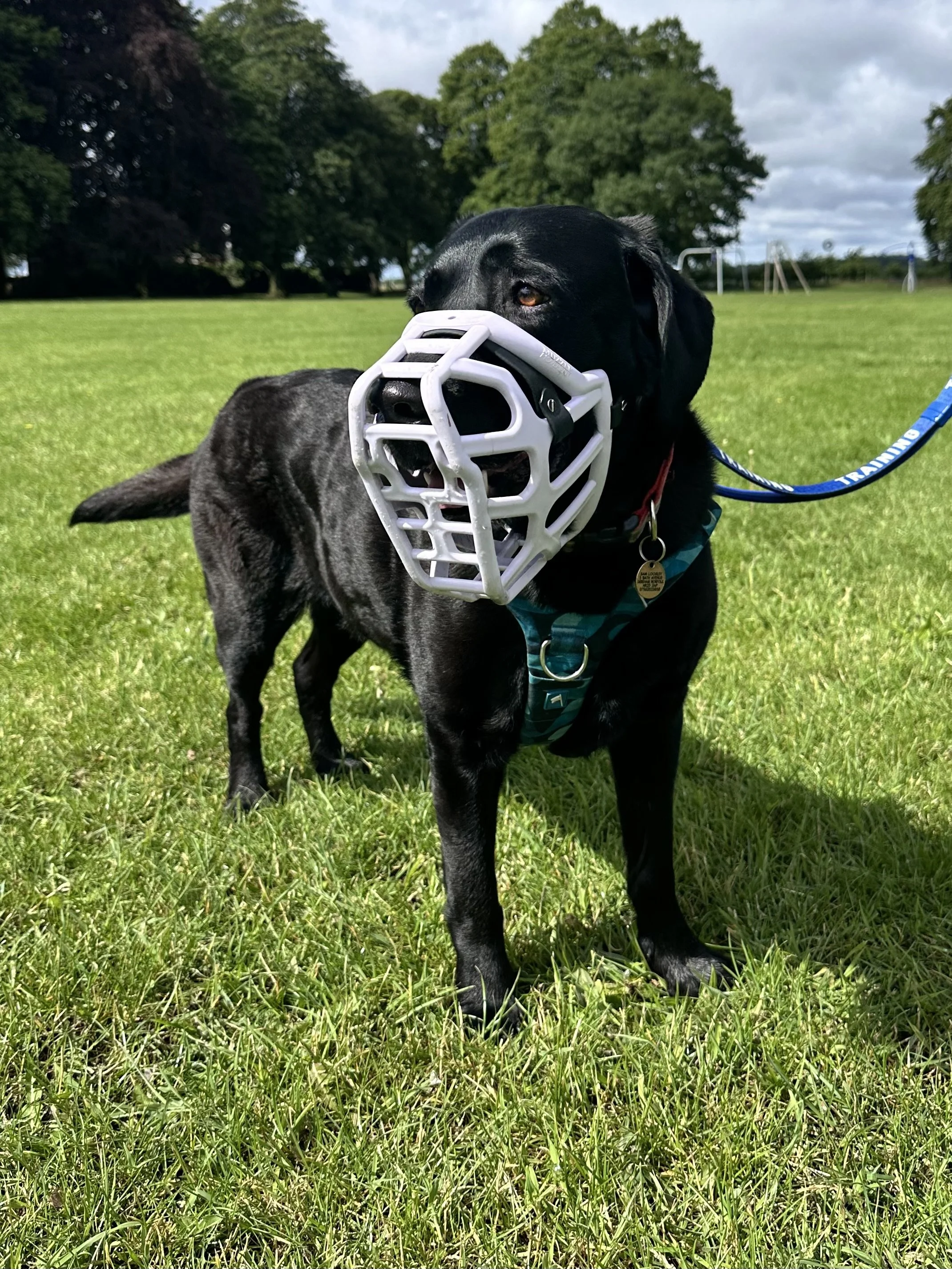
A muzzle is a safety tool and life skill, not a sign that a dog is aggressive.
Many owners worry that introducing a muzzle means their dog is aggressive.
In reality, muzzle training is simply another life skill.
A dog who is comfortable wearing a muzzle often experiences less stress during emergencies because the muzzle is already familiar rather than being introduced for the first time during a frightening situation.
Muzzles can also help veterinary teams work more confidently and safely, reducing the likelihood that a worried dog will require additional restraint.
Every dog can benefit from positive muzzle training, regardless of temperament.
The best time to introduce a muzzle is long before you ever need one.
For excellent, welfare-friendly guidance on muzzle training, I highly recommend the resources available from Muzzle Movement. Their step-by-step training guidance focuses on helping dogs build positive associations and confidence with wearing a muzzle.
If you would like support choosing an appropriate muzzle or access to recommended muzzle training resources, please feel free to get in touch.
After the Appointment
Even if your dog appears to cope well, veterinary visits can be mentally and emotionally tiring.
Consider giving your dog:
Time to rest
Opportunities to sniff and decompress
A chew or enrichment activity
A quieter day than usual
Many dogs benefit from having some time to recover after a veterinary visit, particularly if they have found aspects of the experience challenging.
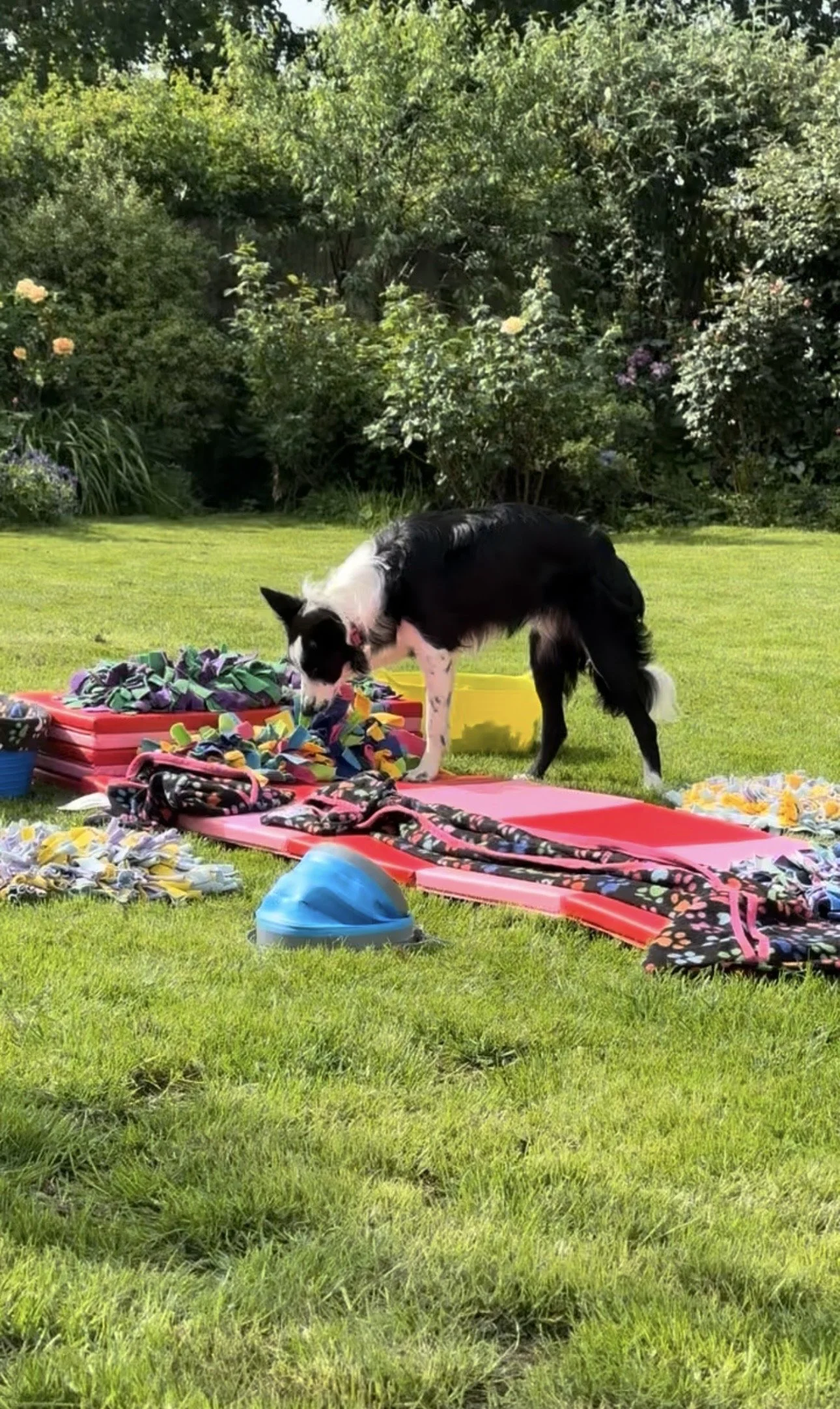
Border Collie enjoying ACE Free Work
Success Doesn't Mean Perfect
A successful veterinary visit is not measured by whether your dog appears perfectly calm.
Success might look like:
Choosing to enter the building
Taking treats
Recovering quickly after an examination
Remaining below their usual level of worry
Feeling safer than they did on their previous visit
Small improvements matter.
By preparing ahead, advocating for your dog, and working collaboratively with your veterinary team, you can help create veterinary visits that feel safer, more predictable, and less stressful for everyone involved.
If your dog struggles with veterinary visits, handling, or anxiety in unfamiliar situations, professional behaviour support can help. Working at your dog's pace can make a significant difference to how they feel about future veterinary care.
About the Author
Vivienne Moore ACB-KSA, PCT-Ais a Certified Canine Behaviourist and Trainer based in Norfolk and the owner of Walkies Dog Behaviour & Training.
Vivienne specialises in helping dogs with fear, anxiety, reactivity, and everyday behaviour challenges using force-free, evidence-based methods. She understands the close relationship between behaviour and physical health and works alongside owners and their veterinary teams when appropriate.
Qualifications & Professional Memberships
Accredited Canine Behaviourist (ACB-KSA) – INTODogs
Professional Canine Trainer Accredited (PCT-A)
Level 5 Diploma in Canine Behaviour (Distinction)
UK Dog Behaviour & Training Charter
Vivienne offers behaviour consultations throughout Norfolk and online across the UK.
Need support with your dog's behaviour? Book a discovery call or get in touch to discuss how I can help.
