Can Reactive Dogs Get Better? Understanding What Behaviour Change Really Looks Like
Whether your dog barks at other dogs on walks, growls at visitors, or seems constantly on edge in certain situations, living with a reactive dog can feel exhausting and overwhelming.
If that sounds familiar, you're not alone. Research suggests that reactive and aggressive behavioural concerns affect approximately 43% of dogs, making them some of the most common reasons owners seek behavioural support.
Given how common these challenges are, it's no surprise that one of the main questions dog owners ask is: Can reactive dogs get better?
The encouraging news is that reactive dogs can make real progress. However, behaviour change doesn't usually mean turning your dog into one who happily greets every dog, person, or unfamiliar situation.
Reactivity isn't something that can simply be "trained out" with a few commands or by forcing dogs to face what they find difficult.
We’ll look at what causes reactivity, whether reactive dogs can get better, and what meaningful behaviour change really looks like below.
What Is Dog Reactivity?
Many owners focus on the barking, lunging, or growling they can see, but to understand whether a reactive dog can improve, we first need to understand what's happening beneath the surface.
The term ‘dog reactivity’ describes an exaggerated response to a particular trigger, such as other dogs, people, vehicles, visitors, or unfamiliar situations. It can look different from one dog to another, but common signs include whining, pouncing, barking, or becoming overly focused on a trigger.
It's important to understand that reactive behaviour isn't simply a dog being "naughty" or stubborn. In many cases, it's a sign that a dog is struggling to cope with something in their environment.
For example, a dog who barks and lunges at other dogs may not be trying to be aggressive. They may be feeling worried, overwhelmed, or frustrated by the other dog, and their reaction may be their way of communicating those emotions.
Because every dog is an individual, there isn't one single cause of reactivity. Genetics, past experiences, lack of appropriate socialisation, pain, illness, and a dog's overall emotional wellbeing can all play a role.
Once we understand what's driving reactive behaviour, we can start to look at whether meaningful change is possible.
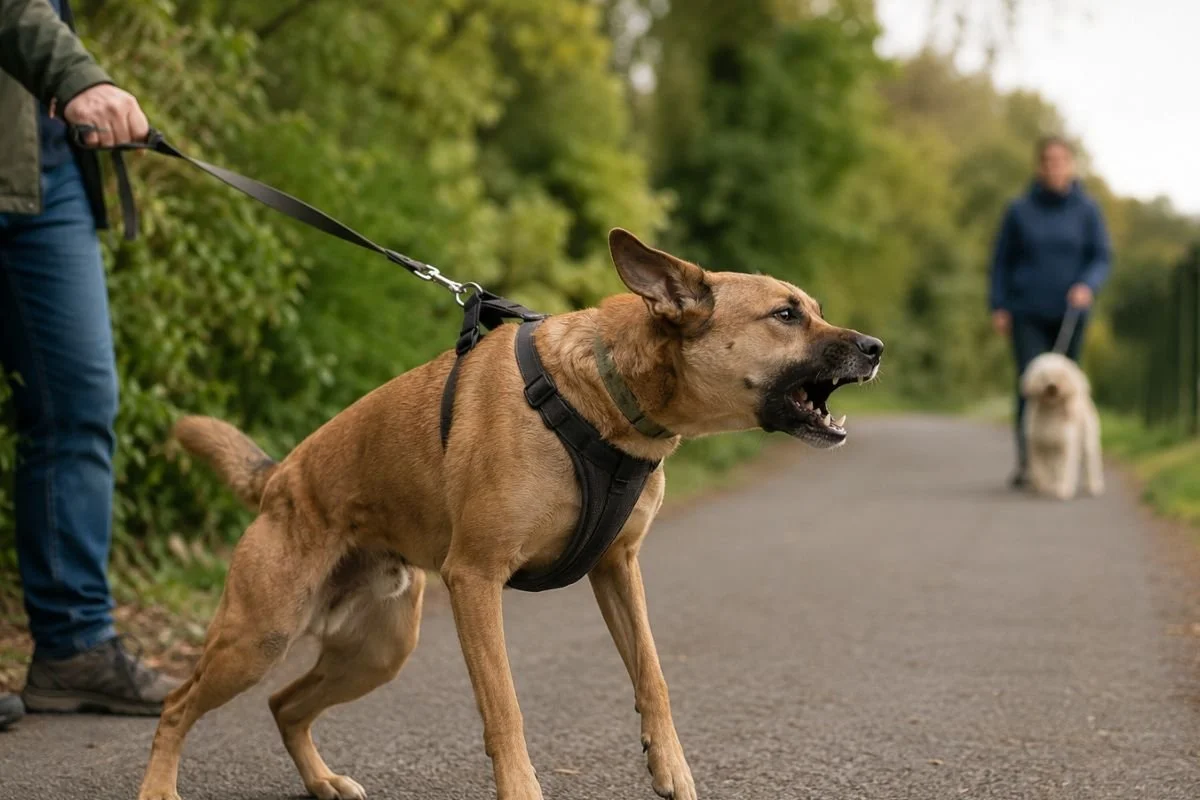
Reactive behaviour isn't simply a dog being "naughty" or stubborn. In many cases, it's a sign that a dog is struggling to cope with something in their environment.
What Influences Behaviour Change in Reactive Dogs?
A range of factors can influence how quickly a dog responds to training and what meaningful improvement looks like for them.
Fear and Anxiety
One of the reasons reactive dogs can respond so differently to training is that reactivity is often driven by emotion.
In fact, one recent study found that fear and anxiety played a much bigger role in reactive behaviour than many people realise. Put simply, how a dog feels can have a huge impact on how they behave.
This is why effective behaviour change focuses on helping dogs feel differently about their triggers, rather than simply trying to stop the barking, lunging, or growling.
Training and Environment
The support a dog receives can make a real difference to their progress.
The same study also identified links between reactive behaviour and a range of dog and owner factors, including caregiver stress and attitudes towards training methods.
Rather than forcing dogs to confront situations they find difficult, positive, reward-based approaches can help dogs build confidence and develop new associations over time.
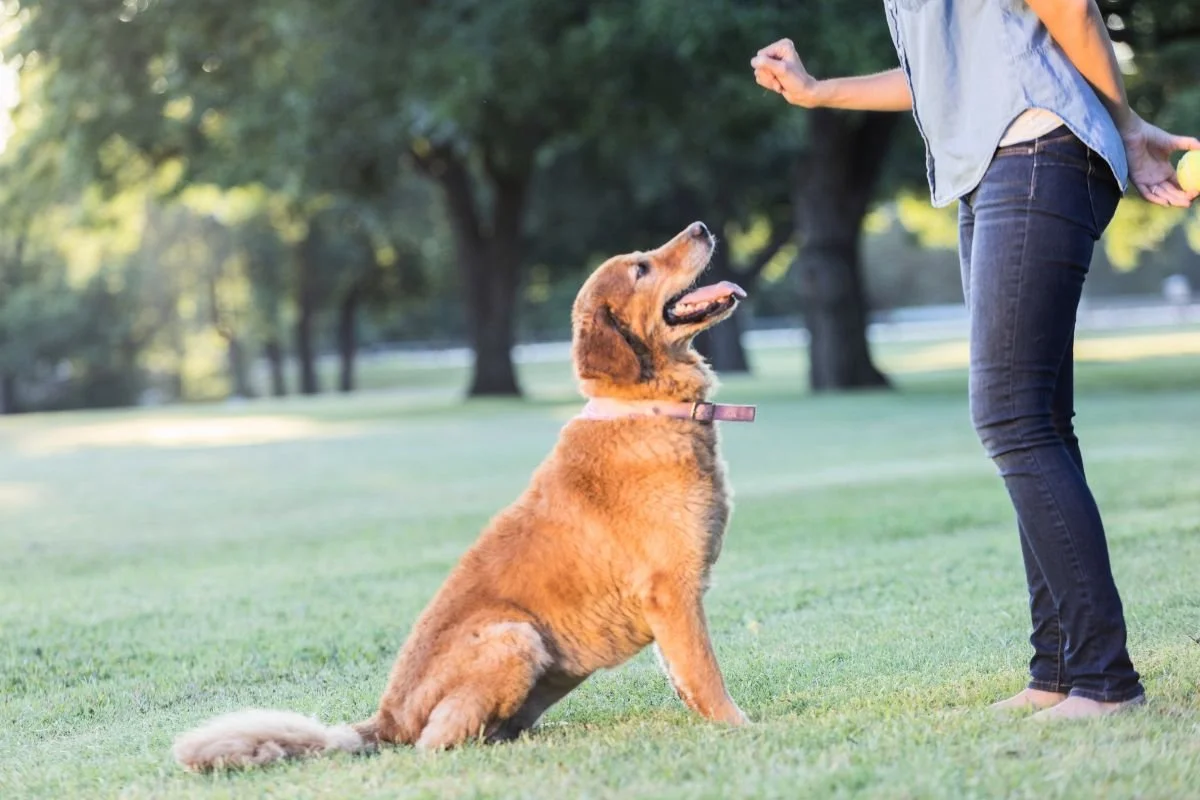
Rather than pushing dogs into situations they find challenging, positive, reward-based training helps them feel safe and create positive associations at their own pace.
Physical Health and Pain
Behaviour doesn't happen in isolation from a dog's physical health. Pain and discomfort can affect how a dog experiences the world, making them more stressed or less able to cope with situations they find challenging.
Evidence suggests pain-related behavioural issues may be present between 28% and 82% of dogs assessed across different populations.
This is one of the reasons behaviour professionals often recommend ruling out underlying pain or medical issues when working with reactive dogs.
Previous Experiences
Just like people, dogs are shaped by their life experiences. Positive experiences can help build confidence, while negative or stressful experiences can have a lasting impact on behaviour.
One study found that adverse experiences during the first six months of life were associated with an increased likelihood of fear and behavioural problems later in life.
Dogs that have spent months or years rehearsing reactive responses may also need more time to learn new ways of responding.
This doesn't mean change isn't possible, but it does help explain why progress can look different from one dog to another.
Can a Reactive Dog Ever Change?
Many reactive dogs can improve with the right support, management, and training.
Research shows that behaviour modification can help reduce reactive behaviours, particularly when it focuses on changing a dog's emotional response to triggers, instead of suppressing the outward reaction.
This is encouraging because it suggests that reactive behaviour is not necessarily fixed, and many dogs can learn new ways of responding to situations they currently find difficult.
Counter-conditioning and other positive training approaches can help dogs develop more positive associations with triggers that previously caused them to react.
The factors influencing reactivity will differ between dogs, which is why progress varies for every individual.
It's also important to remember that good management plays a vital role in behaviour change. Management isn't about avoiding the problem or giving up on training. Instead, it helps prevent dogs from becoming overwhelmed while new skills, coping strategies, and emotional responses are developing.
Creating enough distance from triggers, choosing suitable walking locations, and recognising when a dog needs support can all help set them up for success.
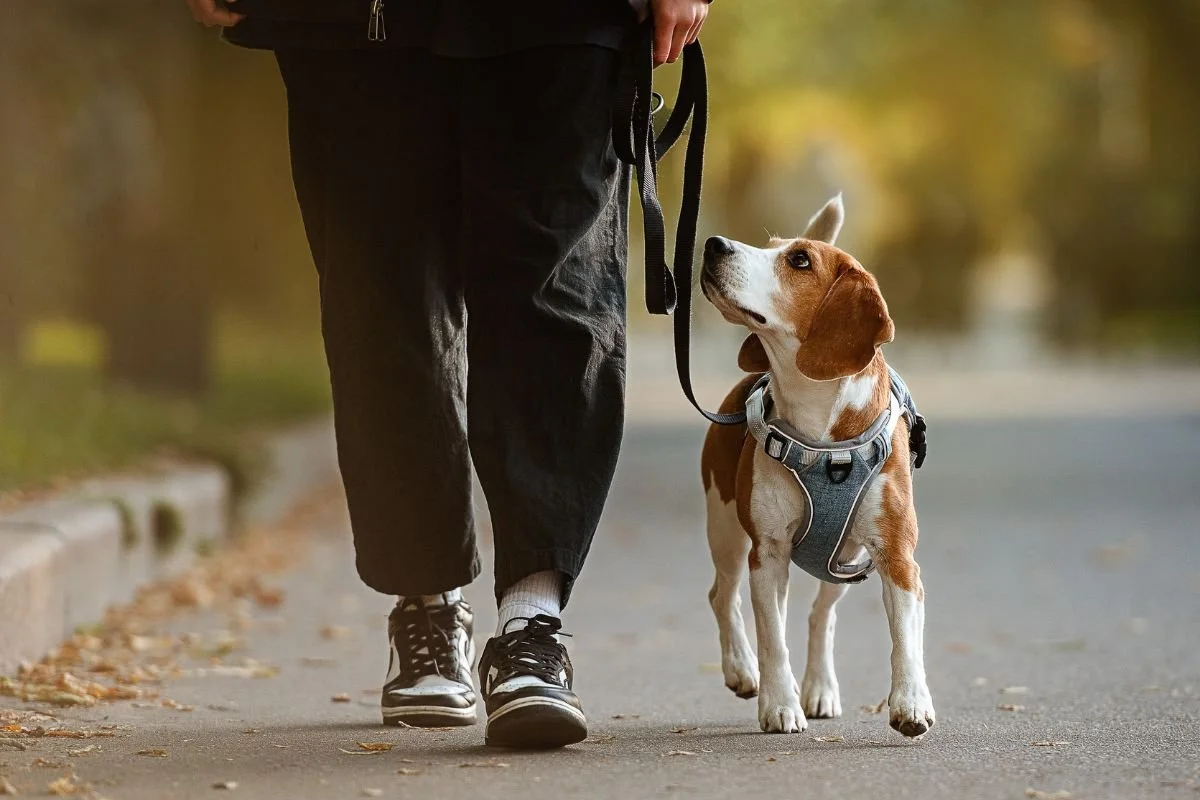
Reactive behaviour is not necessarily fixed, and many dogs can learn new ways of responding to situations they currently find difficult.
What Does Progress Look Like for a Reactive Dog?
When people ask whether a reactive dog can get better, they're often imagining a dog who no longer barks, lunges, or reacts at all.
In reality, progress is often more subtle than that. Depending on the individual dog, meaningful improvements might include:
Remaining calm when another dog passes at a greater distance.
Recovering more quickly after encountering a trigger.
Showing less tension through their body language.
Feeling more relaxed and comfortable during walks.
Choosing to look back at their owner instead of reacting.
Every dog's journey will look slightly different. For some dogs, progress may eventually mean comfortably passing other dogs or people at close range. For others, success may simply mean being able to walk past calmly without feeling the need to interact. The goal isn't to turn every dog into a social butterfly. It's to help them feel safer, more comfortable, and better able to cope with the situations they find challenging.
Most reactive dogs will have good days and more challenging days along the way. This doesn't mean training isn't working. In many cases, setbacks are simply part of the learning process.
Rather than focusing on perfection, it can be more helpful to look for small improvements that build over time. These changes may seem minor at first, but they can make a significant difference to both your dog's well-being and your day-to-day life together.
How Can I Help?
If you're living with a reactive dog, it can be difficult to know where to start, but I can help!
Through my 1-to-1 Reactive Dog Training Programme, we'll work together to understand what's driving your dog's behaviour and create a personalised plan that supports lasting change.
Using ethical, science-based training methods, we'll focus on helping your dog navigate challenging situations more comfortably, while building practical skills that make everyday life easier
If you're ready to take the first step towards helping your reactive dog, I'd love to hear more about you and your dog.
Learn more about my Reactive Dog Training Programme, or tell me a little about your dog, and I'll help you find the best next step.
Need personalised support for your dog?
If you're not sure where to start, my 1-1 Intro Training Session provides personalised guidance and a clear plan tailored to your dog.
Book Your First Session
About the Author
Vivienne Moore is a Certified and Accredited Dog Behaviourist and Trainer based in Norfolk and founder of Walkies Dog Behaviour & Training.
She holds a Level 5 qualification in Canine Behaviour, is an Accredited Canine Behaviourist (ACB-KSA), a Certified Dog Trainer (PCT-A), ACE Certified Practitioner, Kids Around Dogs Approved Professional, and an accredited member of the Association of INTODogs.
Vivienne specialises in helping dogs struggling with reactivity, fear, anxiety, frustration, and other behavioural challenges using ethical, reward-based methods that focus on understanding the emotions driving behaviour.