Helping Dogs and Children Feel Safe Together
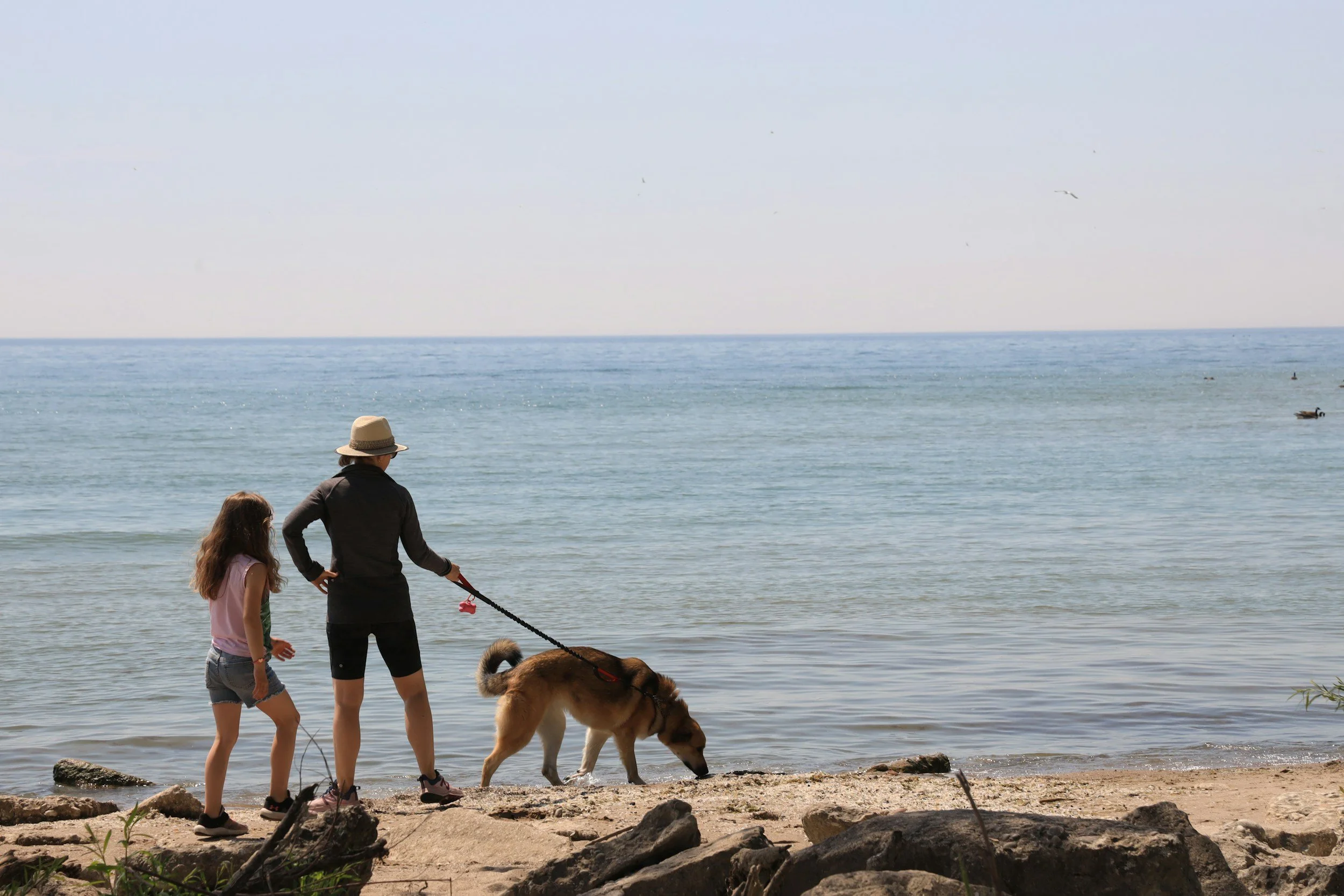
A child, adult, and dog spending time together outdoors, with the dog calmly exploring nearby.
Understanding communication, sensory needs, and safer family interactions
Sharing life with both dogs and children can be incredibly rewarding. The companionship, comfort, and connection dogs bring to family life can be wonderful.
But family life can also be busy, noisy, unpredictable, and emotionally intense — and for some dogs, that can feel hard.
Children are individuals, each with their own personalities, communication styles, energy levels, and ways of interacting with the world around them. Some families may find these conversations especially relevant where individual sensory preferences, communication styles, or responses to stimulation shape daily interactions.
Equally, dogs are highly sensitive beings with their own communication styles, sensory preferences, and emotional needs.
Sometimes these differences fit together beautifully.
Sometimes misunderstandings happen.
That doesn’t mean anyone is doing anything wrong. It simply means understanding matters.
Every Child and Every Dog is an Individual
Every child experiences the world in their own way. Some may feel most comfortable with routine and predictability, while others may communicate, engage, or respond differently depending on what feels safe and manageable for them.
The same is true for dogs.
Some dogs are naturally social, adaptable, and comfortable in busy family environments. Others are more sensitive to movement, sound, touch, unpredictability, or changes in routine.
Some actively seek interaction and closeness. Others prefer shorter interactions, more space, or greater predictability.
This is why broad assumptions can be unhelpful.
Dogs Experience the World Through Their Senses Too
We often think of dogs as endlessly tolerant companions, but dogs experience the world through an incredibly rich sensory system.
They notice subtle movement.
Changes in sound.
Body posture.
Environmental shifts.
Patterns.
Emotional tension.
For some dogs, family life feels manageable and enjoyable.
For others, certain situations may feel overwhelming.
Situations that some dogs may find difficult can include:
sudden movement
squealing or high-pitched vocalisation
repeated touching
direct face-to-face interaction
being followed or cornered
interrupted sleep
unpredictable environments
busy households with little opportunity to retreat and rest
This doesn’t make the dog “bad,” “aggressive,” or unsuitable for family life.
It means they may be communicating discomfort in ways that are easy to miss.
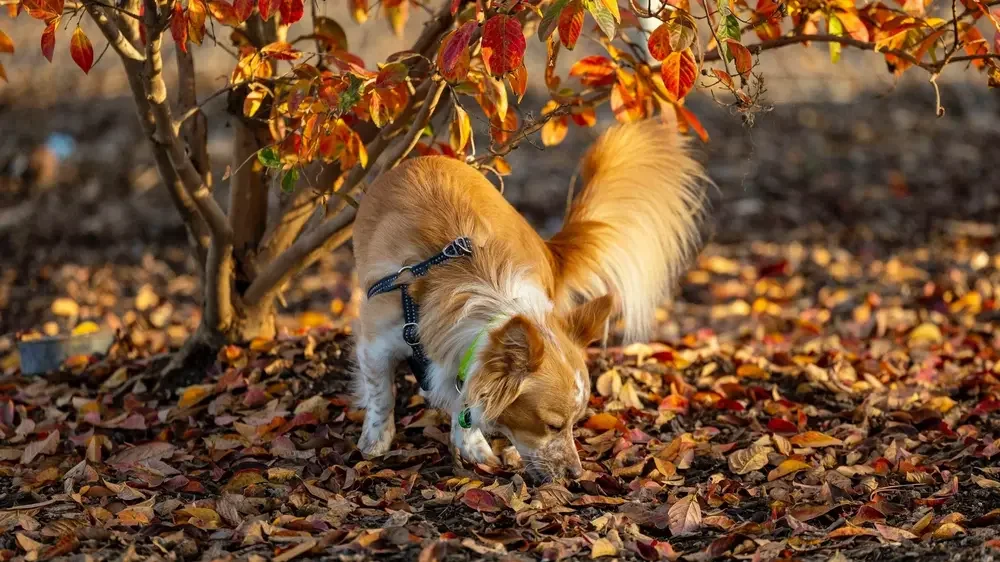
A dog calmly sniffing and exploring outdoors
When Misunderstandings Happen
Children and dogs communicate very differently.
A child may approach with excitement, enthusiasm, curiosity, or in ways that make complete sense to them in that moment.
A dog may interpret the exact same interaction very differently.
For example:
A child may seek closeness or physical contact because it feels reassuring, enjoyable, or simply natural to them.
A dog may experience that as social pressure.
A child moving quickly through a room may simply be expressing excitement, urgency, or moving in a way that feels natural to them.
A movement-sensitive dog may find that startling or difficult.
A child may repeat an interaction because it feels enjoyable, familiar, or predictable.
A dog may become increasingly uncomfortable with repetition.
None of this is about blame.
It’s about recognising that two individuals may be experiencing the same moment in completely different ways.
The Warning Signs Families Often Miss
In many cases, dogs show signs of discomfort before escalating — although those signals can be subtle, brief, or easy to miss.
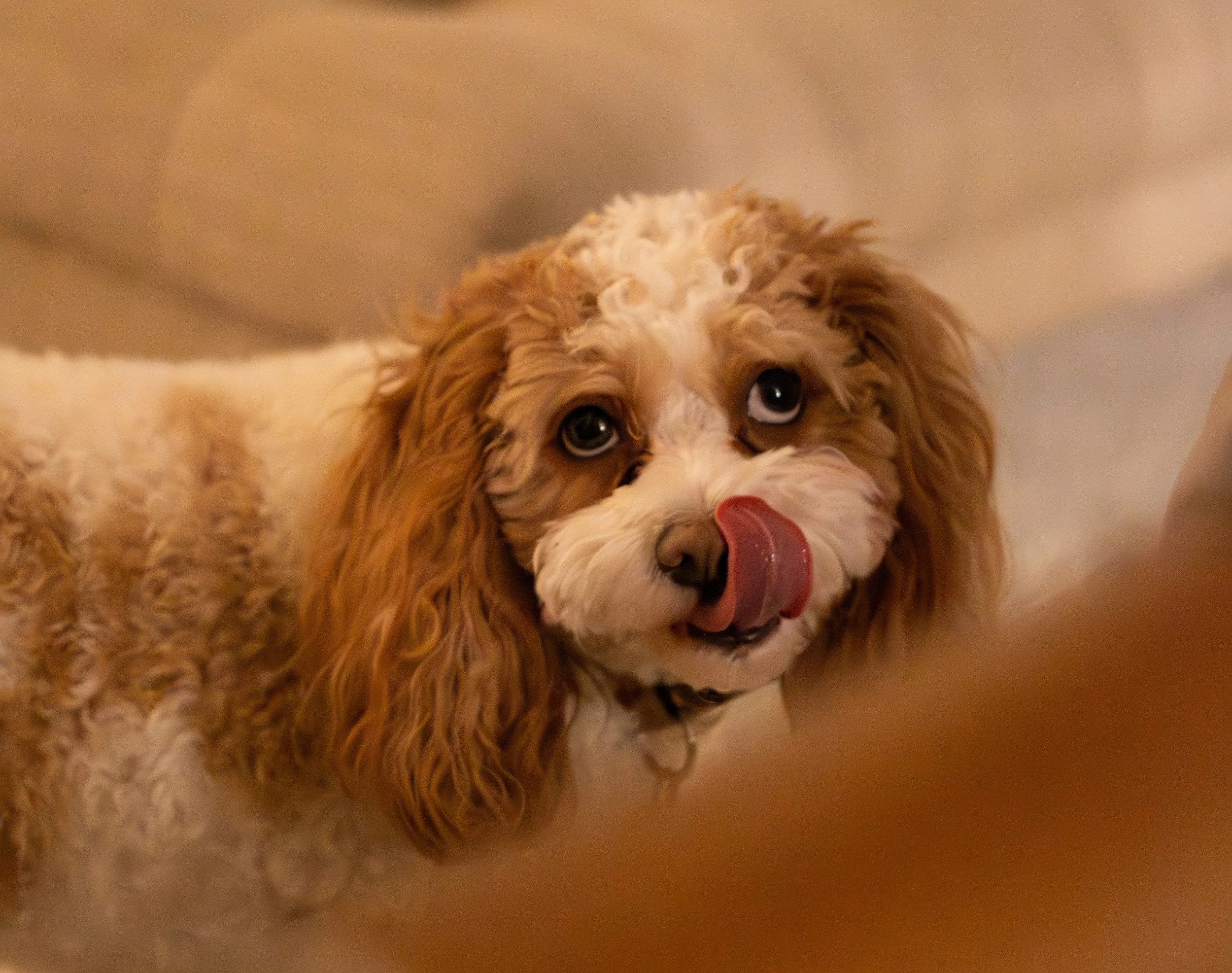
Close up of a dog licking it’s lips, an example of subtle canine body language that can sometimes indicate discomfort, depending on context.
Signs a dog may be feeling uncomfortable include:
looking away
lip licking
yawning when not tired
freezing or becoming very still
moving away
turning their head
showing the whites of the eyes (whale eye)
paw lifting
sudden panting
tension around the mouth
seeking distance
hiding
barking
growling
Growling is not a dog being “naughty.”
Growling is communication.
It’s valuable information that tells us the dog is struggling.
Punishing communication does not remove discomfort — it simply removes the warning sign.
Safety is About More Than Supervision
Supervision matters — but effective safety also depends on understanding what both the dog and child may be communicating, and putting thoughtful management in place.
That might include:
ensuring your dog always has a safe place to retreat
never forcing interactions
respecting a dog choosing to move away
protecting rest and sleep
reducing high-arousal situations
creating more predictable routines
supporting calm, structured interactions
helping children learn safe, respectful engagement in ways appropriate for them
The goal isn’t constant control.
It’s creating an environment where both dog and child feel safe.
Supporting Better Relationships
Many dogs and children build beautiful relationships when adults help create the right conditions.
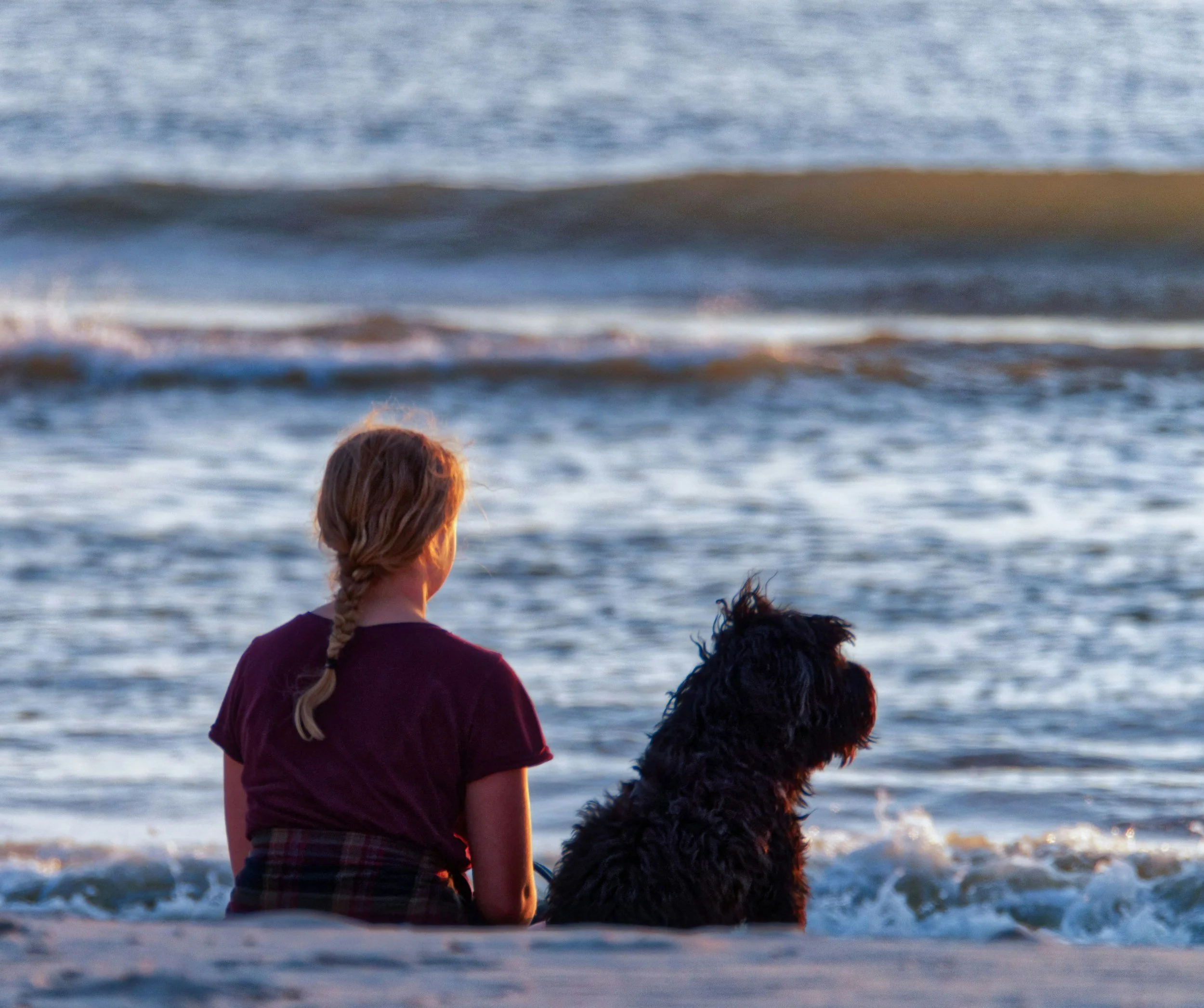
A child and a dog sitting calmly side by side by the sea, sharing a peaceful moment together.
This often starts with slowing down.
Observing more.
Assuming less.
Advocating for both.
Small changes can make a meaningful difference:
More space.
More choice.
More decompression.
Less pressure.
Better understanding.
When Support May Help
If your dog seems uncomfortable, avoidant, increasingly unsettled, vocal, reactive, or overwhelmed around family interactions, early support can make a real difference.
Likewise, if family life feels stressful because you’re constantly managing interactions, you’re not alone.
These situations can feel emotionally heavy for everyone involved.
With thoughtful support, understanding, and practical strategies, life can feel calmer and safer for both dogs and the people who love them.
About the author
Vivienne Moore is a Certified Dog Behaviourist and Trainer, Kids Around Dogs Approved Professional, and has undertaken additional specialist training in understanding dog-child relationships, including family dynamics where individual sensory, communication, or interaction preferences may shape those relationships.
