When Dog Behaviour Problems Aren't Just About Training
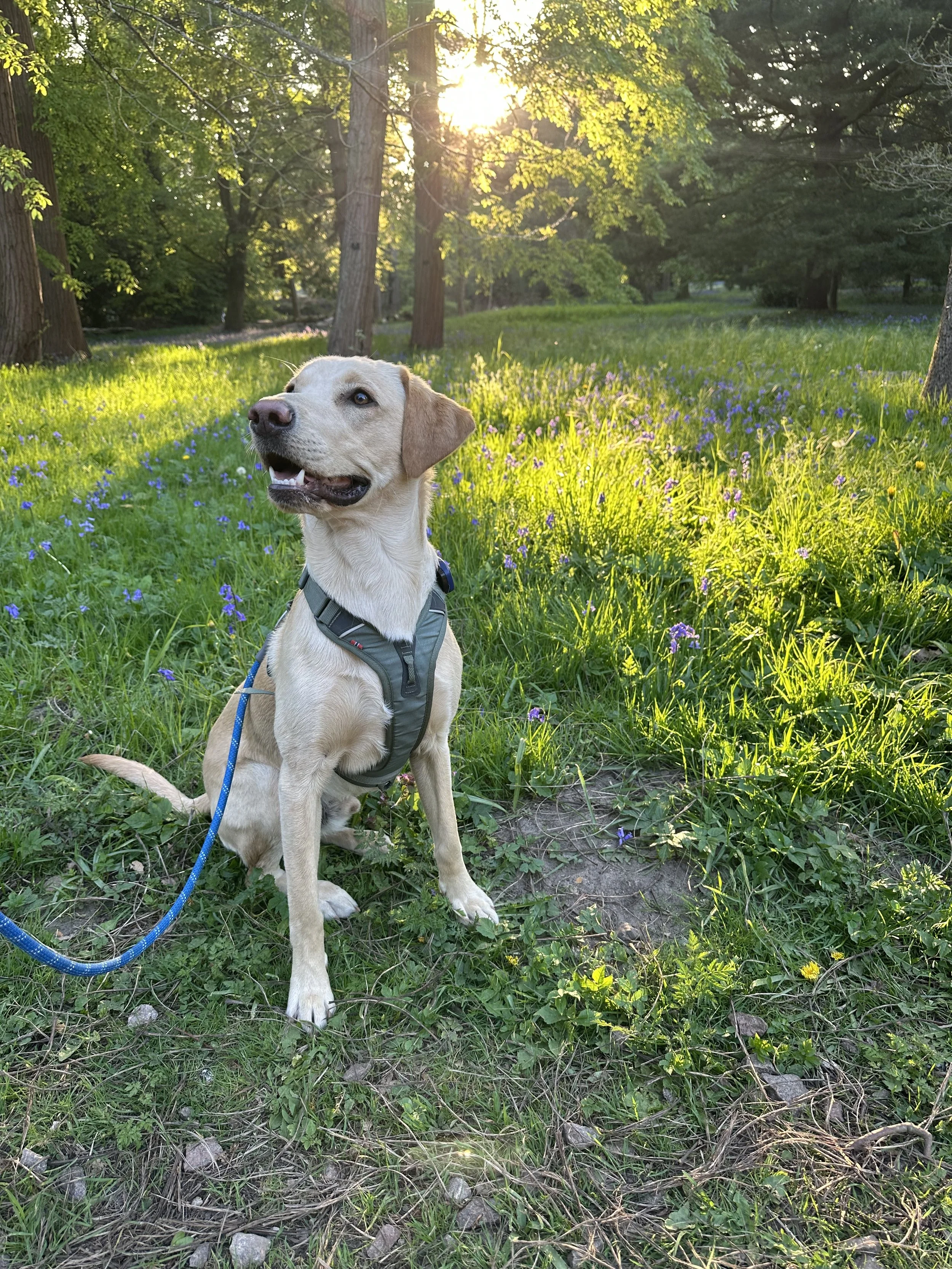
Why understanding what's behind your dog's behaviour matters more than finding another training technique.
If you're struggling with your dog's behaviour, chances are you've already received plenty of advice.
Perhaps another dog owner has suggested something that worked brilliantly for their dog. A friend has recommended a particular training technique, or you've spent hours searching online and watching videos.
Some of that advice might even be contradictory.
One person tells you your dog needs more socialisation. Someone else suggests avoiding other dogs altogether. And there's often someone who insists you just need to be firmer!
Most of this advice is well-intentioned, and some of it may be genuinely helpful. But advice that works for one dog won't necessarily be appropriate for another.
Knowing dogs isn't the same as having the professional knowledge and qualifications to understand and assess behavioural difficulties. Understanding behaviour involves much more than recognising what a dog is doing. It requires knowledge of canine communication, learning, emotional responses, physical health and the many factors that can influence how a dog behaves.
Without that understanding, it's all too easy to focus on stopping what we see rather than recognising what might be driving it.
And sometimes, what looks like a training problem isn't really about training at all.
The same behaviour can have very different causes
Take a dog who barks and lunges when they see another dog on a walk. It's tempting to describe that dog as reactive and immediately start looking for ways to stop the barking.
But what if that dog is frightened and trying to make the other dog go away?
What if they're frustrated because they want to get closer?
Or what if they're experiencing physical discomfort, making the prospect of another dog approaching particularly worrying?
Sometimes several factors are involved. Although the outward behaviour might look very similar, understanding what's driving it is essential to deciding what support each dog needs. This is why, when I meet a dog for a behaviour consultation, I'm interested in much more than the behaviour their owners have contacted me about.
I'm interested in the dog's experiences, how they communicate and what their behaviour might be telling us. I want to know whether their reactions have developed gradually or appeared quite suddenly, whether they struggle in particular situations and whether there have been changes in their confidence, routines or general wellbeing.
I'm also looking at the less obvious details. Does the dog move comfortably? Are they getting enough rest? Do they seem constantly on alert, or are there situations where they can genuinely relax?
Sometimes it's a seemingly unrelated observation from an owner, or something subtle I notice while watching their dog, that helps us begin to understand what might be going on.
Rather than simply asking how we can stop a behaviour, I want to understand why it might be happening in the first place.
Why a behaviour assessment looks beyond training
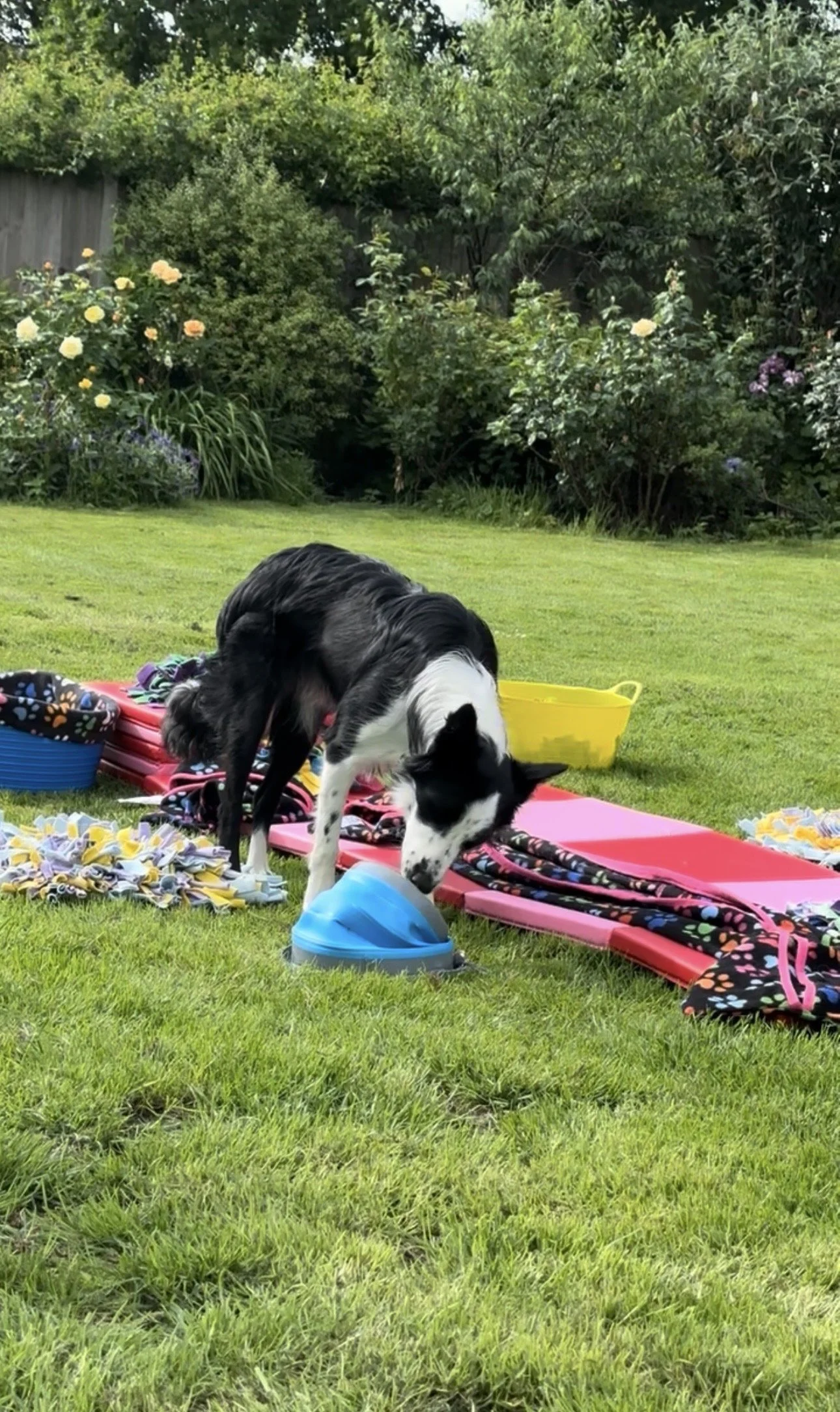
Rosie exploring ACE Free Work, investigating different surfaces, textures and enrichment activities at her own pace. ACE Free Work gives dogs opportunities to make choices while allowing us to observe their movement, posture and responses to their environment.
Understanding a dog's behaviour means looking at the bigger picture, not just the situations in which they're struggling.
Their early experiences, learning history, physical health, daily routines and environment can all influence how they respond to the world around them.
Sometimes it's the smaller details that might otherwise go unnoticed which help us build a clearer picture of what a dog might be experiencing. Occasionally, those observations raise questions that need further investigation, particularly where physical discomfort might be involved.
But understanding the behaviour is only part of the process.
The next step is developing an individual plan that takes account of the dog's needs, the owner's circumstances and what they're hoping to achieve. What works for one household may be completely impractical for another, even when the dogs appear to have similar difficulties.
That might involve changes to everyday routines, practical management strategies and carefully planned training exercises. Where there are concerns about possible pain or other medical factors, I'll also work alongside the dog's vet to help ensure those concerns are appropriately investigated and considered as part of the behaviour plan.
The aim is to develop a realistic, achievable plan that supports the individual dog and the people who share their life — rather than trying to fit everyone into the same approach.
Could pain be affecting your dog's behaviour?
One area I'm particularly interested in is the relationship between physical discomfort and behaviour.
Pain doesn't always show itself as an obvious limp or a dog crying out. Sometimes the changes are much more subtle.
A dog might become less tolerant of other dogs approaching, struggle to settle, react more intensely to everyday situations or find walking on a lead increasingly difficult.
The relationship between pain and behaviour is well recognised in veterinary behavioural medicine.
A 2020 review by Mills and colleagues, Pain and Problem Behavior in Cats and Dogs explores how painful conditions can contribute to behavioural difficulties, sometimes in ways that aren't immediately obvious.
This is something I've encountered in my own work. I've worked with dogs whose owners had previously been advised to use equipment such as shock collars or prong collars to address pulling or reactive behaviour. In some of these cases, subsequent veterinary investigations identified medical conditions that may have been contributing to the difficulties those dogs were experiencing. It's concerning to consider that a dog who is already struggling physically might be subjected to additional discomfort in an attempt to stop the very behaviour that could be signalling something is wrong.
Of course, not every behaviour problem is related to pain, and as a behaviourist I can't diagnose a medical condition from observing a dog's behaviour. But I can recognise when something warrants further investigation and work alongside veterinary professionals to help establish whether physical discomfort might be contributing.
Before assuming a dog needs more training, we need to consider whether something else might be making life difficult for them.
Why not all dog training advice is created equal
There's a wealth of information available about dog training and behaviour, and some of it is excellent. Good educational resources can help owners understand canine communication, recognise signs of stress and make informed decisions about their dog's wellbeing.
But there's also a great deal of outdated advice still circulating, often passed between dog owners or shared widely on social media. Some of this advice is rooted in dominance-based thinking, where behaviours are interpreted as a dog trying to be in charge, challenge their owner or establish their place in a hierarchy. You might have heard suggestions that a dog needs to know who's boss, shouldn't be allowed to walk ahead or is behaving badly because they're trying to dominate you.
These explanations can sound convincing, particularly when they've been repeated for years. But they don't reflect our current understanding of the many factors that influence canine behaviour. Modern behavioural science recognises the importance of learning, emotional responses, genetics, early experiences, environment and physical health.
We also understand that how a dog feels matters just as much as what they do.
A dog who growls when approached may be communicating discomfort or fear, rather than challenging someone's authority. A dog who pulls on the lead may be excited, frustrated, worried or physically uncomfortable, rather than attempting to take control.
Research into training methods has raised important welfare concerns about approaches that rely on punishment and intimidation. A 2020 study published in PLOS ONE found more stress-related behaviours in dogs trained using aversive methods compared with those attending reward-based training schools. The British Small Animal Veterinary Association (BSAVA) also recommends reward-based training and advises against aversive methods because of their potential impact on animal welfare.
This is why I believe behavioural advice should be informed by current scientific understanding, with the dog's physical and emotional welfare at the centre of any approach.
The aim isn't simply to produce a dog who appears obedient or stops displaying an unwanted behaviour.
It's to understand why they're struggling and help them develop the confidence, skills and emotional security to cope better.
Sometimes less training is more helpful
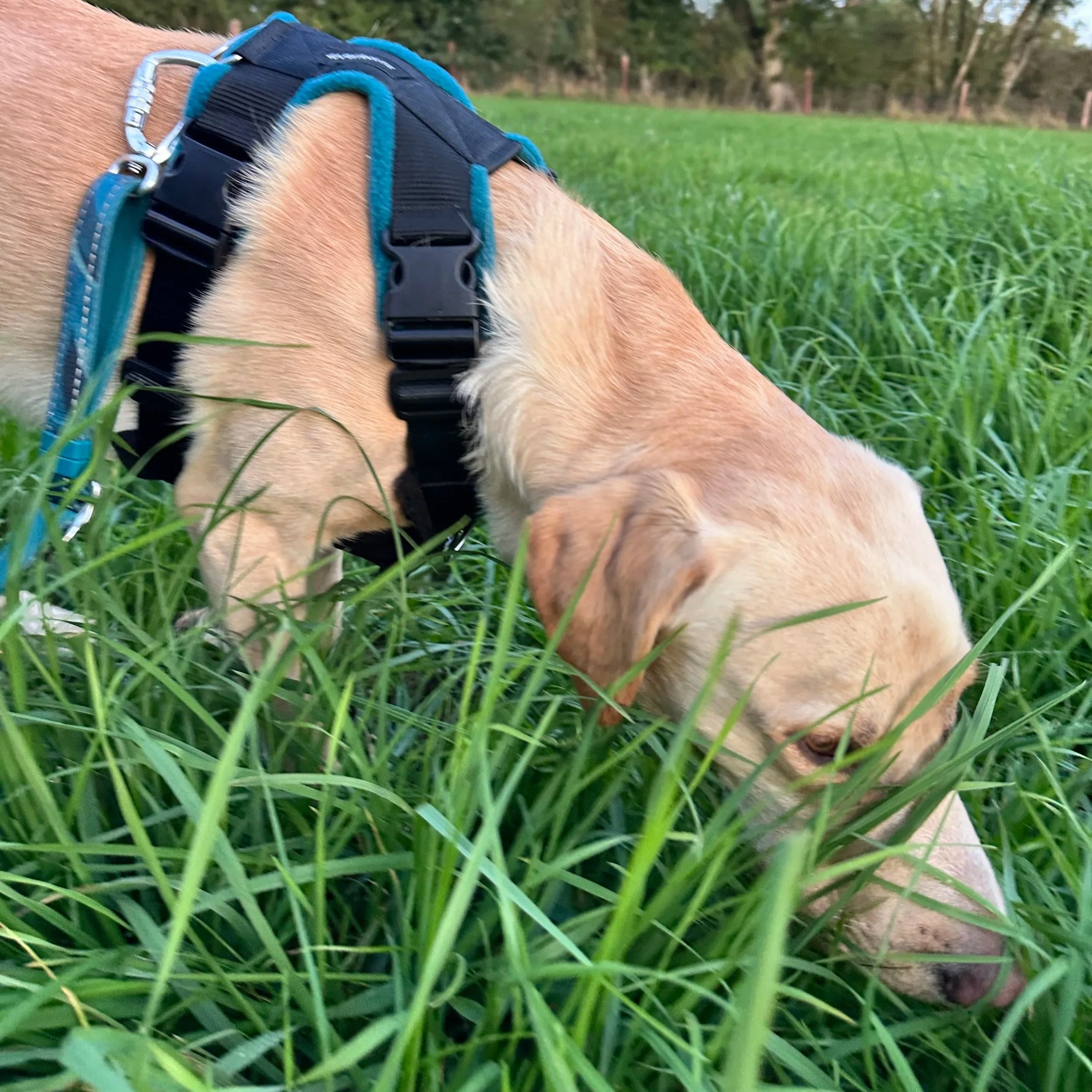
Sniffing is a natural and important part of canine behaviour, giving dogs opportunities to explore their surroundings, gather information and make their own choices.
When something isn't working, our natural instinct is often to practise more.
If a dog struggles when they see other dogs, perhaps they need more exposure to them. If they're nervous in unfamiliar places, perhaps they need to visit those places more often. And well-meaning advice from other dog owners often follows a similar theme: "They just need to get used to it." But repeated exposure doesn't automatically build confidence.
If a dog is already finding a situation difficult, repeatedly putting them in that situation can sometimes increase their anxiety rather than reduce it. Sometimes the most helpful thing we can do initially is reduce the pressure.
That might mean choosing quieter walking routes, creating more distance from other dogs, shortening outings or allowing a dog to explore somewhere without expecting them to perform any particular behaviour.
In my sessions, I spend a lot of time observing what dogs choose to do when we give them space and opportunities to make decisions.
Do they want to investigate? Do they move away? Can they pause and take in what's happening around them? Are they able to sniff, explore and recover after something has worried them?
These observations help me understand what the dog is comfortable with and where they might need more support.
Training absolutely has its place. But sometimes we need to make changes to a dog's environment and everyday experiences before they're in a position to learn comfortably.
Progress doesn't always look the way we expect
We tend to measure training success by what a dog stops doing. They stop barking, pulling or reacting. But when we're working with dogs who are frightened, anxious or struggling to cope, some of the earliest signs of progress can be much less obvious.
Perhaps a dog who previously barked at the sight of another dog can now notice one at a comfortable distance and choose to move away. Or a dog who was reluctant to leave the car starts showing curiosity about their surroundings. These might seem like small changes, but they're important. They can indicate that a dog is beginning to feel more comfortable, make choices and respond differently to situations they previously found difficult.
And this is where we can start to build.
By working at a pace the dog can manage, gradually introducing new experiences and setting them up for success, we can help them develop the confidence and skills they need to cope with increasingly challenging situations.
Over time, that might mean a dog who once reacted to others from a considerable distance can enjoy walks where other dogs are present. Or a dog who was frightened of unfamiliar environments can begin exploring new places with confidence.
Progress isn't always linear, and every dog will have their own capabilities and limitations. But those early, seemingly small changes can be the beginning of something much bigger.
The aim isn't simply to stop an unwanted behaviour. It's to help the dog feel and cope differently, so that everyday life becomes easier and more enjoyable for everyone.
When might your dog need a behaviourist rather than more training?
Training is an important part of helping dogs develop skills and learn how to navigate everyday life. A good trainer can make an enormous difference, particularly with puppies, recall, loose lead walking and other practical skills.
But when a dog is showing persistent fear, anxiety, aggression or reactivity, the picture can be more complex.
These difficulties may involve emotional responses, previous experiences, environmental factors or underlying medical issues that need to be considered alongside any training.
This is where working with a suitably qualified behaviourist can be particularly valuable.
Behaviour work involves looking at the wider picture, assessing what might be contributing to the difficulties and developing an individual plan. It also means recognising when veterinary investigation or collaboration with other professionals is needed.
Qualifications matter, too. Dog training and behaviour are not currently regulated professions in the UK, meaning anyone can describe themselves as a dog trainer or behaviourist, regardless of their qualifications or experience. This makes it particularly important to check a professional's credentials, approach and commitment to animal welfare.
The UK Dog Behaviour & Training Charter is a useful resource for owners. It brings together professional organisations committed to ethical, evidence-based training and behaviour support, with agreed standards for welfare, professional conduct and accountability.
I'm an Accredited Canine Behaviourist (ACB-KSA) through INTODogs, a Professional Canine Trainer (PCT-A), and a certified Animal Centred Education (ACE) Practitioner.
I'm also a member of the UK Dog Behaviour & Training Charter through INTODogs, and my work follows its welfare-led principles.
Understanding comes before training
There's some excellent information about dog behaviour available online, and sharing experiences with other dog owners can be helpful. But what worked for somebody else's dog won't necessarily be appropriate for yours.
When we're struggling with a dog's behaviour, it's understandable to want to try anything that might help. One week it might be a technique recommended in a video, the next something suggested by another dog owner, followed by a different piece of equipment or training method.
Sometimes owners tell me they've "tried everything". And I completely understand why it feels that way. They may have spent months following advice, watching videos, buying training aids and trying different techniques, all in the hope of helping their dog. But trying lots of different things isn't the same as having a clear understanding of what's driving the behaviour or following a consistent, individual plan.
Some techniques may be ineffective, while others, including seemingly harmless products designed to startle or interrupt behaviour, can increase anxiety or negatively affect a dog's welfare. And when we keep switching approaches, it becomes difficult to know what's helping, what's making things worse and what the dog actually needs.
This is why I'd encourage owners to seek advice from a suitably qualified behaviour professional sooner rather than later, particularly when difficulties are persistent, escalating or affecting their dog's wellbeing.
Early professional support can help identify possible contributing factors, avoid unsuitable techniques and put a consistent, individual plan in place. It can also prevent owners from spending months trying different things, only to find themselves back where they started.
You don't have to exhaust every training technique before asking for help. Sometimes the most helpful thing you can do for your dog is seek the right support early on.
Looking for help with your dog's behaviour?
If you're struggling with your dog's behaviour, whether that's reactivity, fear, anxiety or something else, I can help you understand what's going on and work towards making everyday life easier for both of you.
I offer behaviour consultations across Norfolk.
I know how worrying and sometimes overwhelming behaviour difficulties can be, particularly when you've already tried so many things. My approach is supportive, understanding and collaborative. We'll look at the bigger picture together and develop a practical, achievable plan that takes account of your dog's individual needs, your circumstances and everyday life.
You don't need to have all the answers before asking for help.
Tell me about your dog and let's see how I can help.
