How to Help a Dog Scared of Fireworks Feel Safer
Fireworks might be exciting for us, but for our dogs, sudden bangs and flashes can be really frightening.
A survey cited by the RSPCA found that 60% of dog owners said their dogs had been negatively affected by fireworks, so if your dog finds fireworks scary, you’re certainly not alone.
Watching your dog tremble, hide or pace around the house can be upsetting, especially when you're not quite sure how to help. While we can't always prevent fireworks, there are ways to reduce the pressure on our dogs and help them feel safer.
If your dog is particularly frightened by fireworks, it's important to speak to your vet early, ideally well before fireworks season begins. This is especially important if their fear has developed suddenly or their reactions to noise are becoming more intense.
Noise sensitivity can sometimes be associated with underlying pain or discomfort, so a veterinary assessment can help identify possible contributing factors. For dogs experiencing significant distress, your vet can also discuss whether medication might be appropriate. This doesn't need to be a last resort.
Why Do Dogs Get Scared of Fireworks?
Dogs have much more sensitive hearing than we do.
A 2024 study in Veterinary Sciences suggests that dogs may be more sensitive to high-frequency sounds than previously thought, which helps us understand why loud or unfamiliar noises can be so overwhelming.
Fireworks are also unpredictable. Your dog has no way of knowing when the next bang is coming, where it's coming from or when it will stop.
This can trigger a real fear response in some dogs, even if they've previously seemed quite comfortable around loud noises.
How Can You Tell If Your Dog Is Scared of Fireworks?
Dogs can show their fear in lots of different ways, and some signs are easier to spot than others.
Here are a few things to look out for:
Panting or trembling, even when they're not hot.
Pacing or restlessness, struggling to settle down.
Hiding, often under furniture or in another quiet spot.
Clinginess, wanting to stay unusually close to you.
Barking or whining more than usual.
Trying to escape, such as scratching at doors or attempting to get outside.
Even subtle changes in behaviour are worth noticing. Recognising when your dog is uncomfortable means you can offer support before they become more distressed.

Signs like trembling, panting, pacing, hiding or wanting to stay close to you can all indicate that your dog is feeling scared.
How to Prepare Your Dog for Bonfire Night
Research suggests that early, positive training experiences can help reduce fireworks-related fear, so it's worth preparing well before Bonfire Night.
Here are a few things you can do:
Head out for walks before it gets dark. Try to finish your dog's walks and toilet breaks before fireworks are likely to start. Give them plenty of time to sniff and explore without rushing.
Check your home and garden are secure. A frightened dog might try to escape, even if they've never done so before. Check that gates, fences, doors and windows are secure, and make sure their microchip details and ID tag are up to date.
Give them somewhere cosy to retreat to. Whether it's their bed or a quiet corner of the house, make sure they've got somewhere they can choose to settle. Add a few familiar blankets or toys, and let them explore the space in their own time, well before Bonfire Night.
Try to soften the bangs and flashes. Close curtains and windows, and try playing gentle music or putting the television on to help muffle outside noises.
Check when fireworks might be happening nearby. Look up local events and ask neighbours about their plans. Knowing when fireworks are likely can help you plan ahead.
Arrange for someone to stay with your dog. If your dog is frightened by fireworks, try not to leave them alone when you know fireworks are likely. Having someone familiar nearby can provide reassurance, even if your dog chooses to settle somewhere on their own.
Remember, every dog is different. What works for one might not work for another, so give your dog choices and let them settle wherever they feel safest.
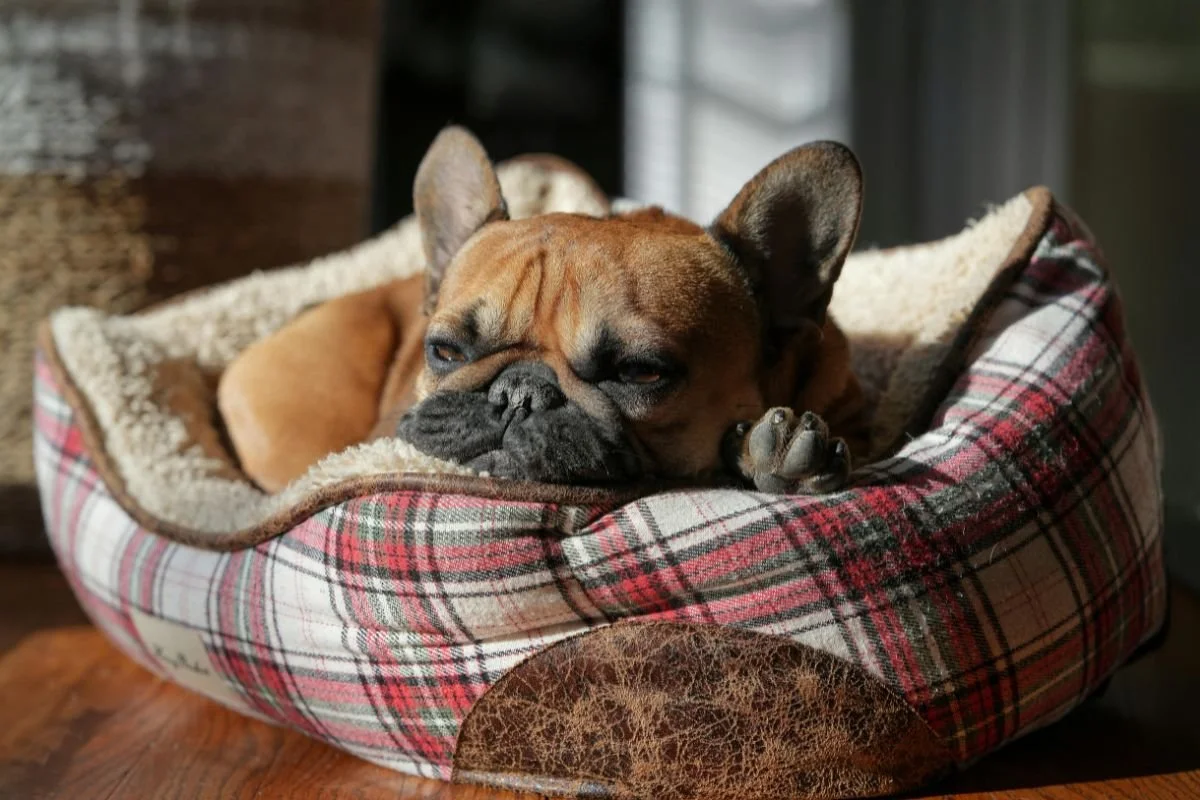
Whether it's their bed or a quiet corner of the house, make sure they've got somewhere they can choose to settle. Add some familiar blankets or toys, and let them explore the space in their own time.
What About Fireworks Sound Recordings?
You may have seen advice suggesting that playing recordings of fireworks can help dogs become more comfortable with the sounds.
Carefully planned sound desensitisation can be helpful for some dogs, but it needs to be introduced at a level where the dog remains comfortable. Playing recordings too loudly, increasing the volume too quickly or continuing when a dog is showing signs of distress can make matters worse.
If your dog already has a significant fear of fireworks, I'd recommend seeking professional guidance rather than attempting this yourself. Ideally, this work should begin well before fireworks season, when your dog isn't already dealing with unpredictable loud noises.
How to Calm a Dog During Fireworks
Even with plenty of preparation, your dog might still find fireworks frightening.
Here are a few ways you can help them feel more comfortable when the bangs begin.
Stay Calm and Offer Reassurance
You might have heard that comforting a frightened dog only encourages their fear, but that's a common misconception.
So, if your dog comes looking for reassurance, there's no need to ignore them. Let your dog decide whether they'd prefer a gentle cuddle or simply having you nearby.
Let Your Dog Choose Where They Feel Safest
Some dogs want to stay close to their owners, while others would rather hide under the bed or behind the sofa.
If your dog chooses to hide, let them. Avoid pulling them out or encouraging them to move somewhere else. Giving your dog some freedom to choose can help them feel a little more in control.
Offer a Gentle Distraction
If your dog is still happy to play or eat, you could offer their favourite toy or a food-filled enrichment toy.
A dog who's very frightened might not be interested in treats or games, so there's no need to push them into doing something they're not comfortable with.
Avoid Telling Them Off
Fear can sometimes lead to barking, scratching or even accidents in the house.
Your dog isn't being naughty. They're frightened, and they need your patience and understanding.
Telling them off can make their fear worse, so try to stay calm, even if their behaviour is a little different from usual.
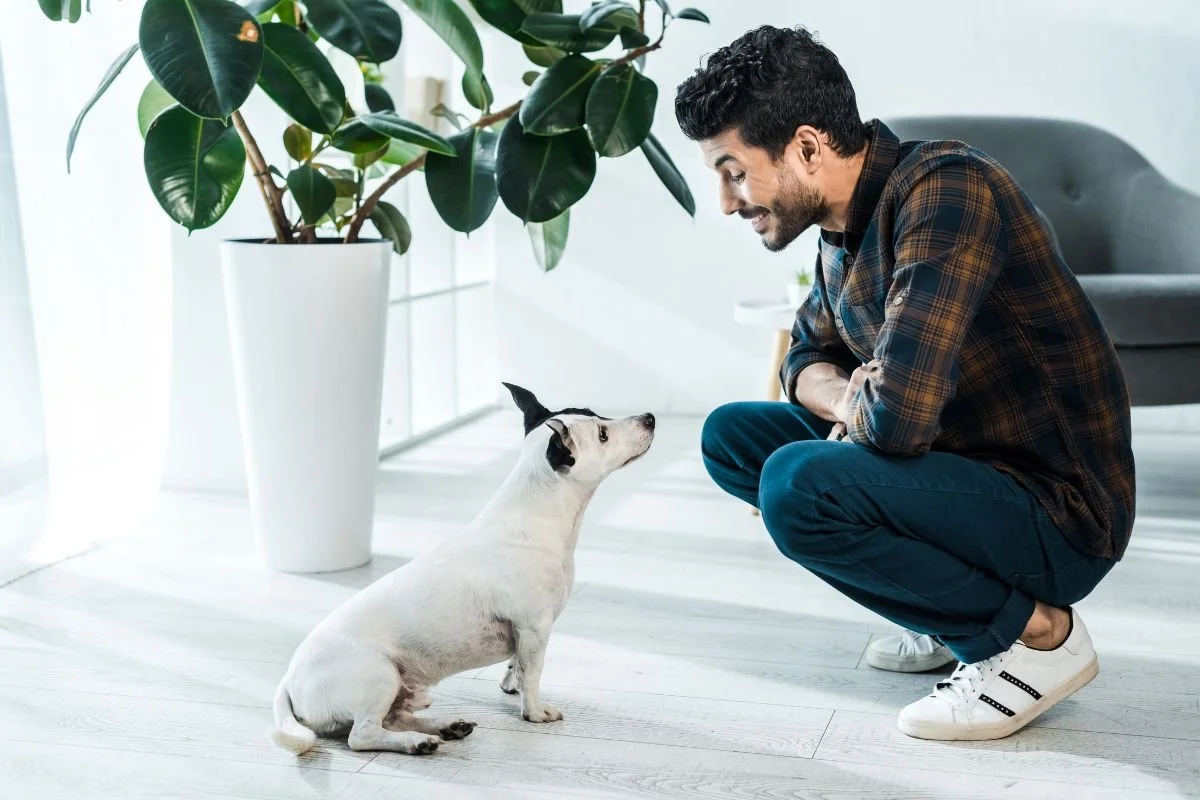
If your dog barks, scratches or has an accident during fireworks, remember they're frightened, not being naughty. Stay calm and offer patience and reassurance.
When Does Fireworks Anxiety Need Extra Support?
If your dog becomes very distressed by fireworks or their fear seems to be getting worse, it's important to speak to your vet early rather than waiting until the next Bonfire Night.
Research has identified an association between noise sensitivity and underlying pain in some dogs. A veterinary assessment is therefore an important part of understanding what may be contributing to your dog's distress.
For dogs experiencing significant fear, medication may also be an appropriate part of their support plan. This is something to discuss with your vet in advance, rather than waiting until your dog is already frightened.
How Can a Behaviour Consultation Help?
Alongside veterinary advice, working with a qualified dog behaviourist can help you better understand your dog's fears and find practical ways to support them.
As an Accredited Canine Behaviourist (ACB-KSA) based in Norfolk, I offer individual Behaviour Consultations across Breckland and West Norfolk to help owners better understand and support dogs experiencing fear, anxiety and other behavioural difficulties.
We can look at how your dog responds to noise, what may be contributing to their distress and what changes could help them feel safer. Where appropriate, this may include carefully planned behaviour modification alongside veterinary support.
If you're worried about how your dog is coping during fireworks season, tell me a little about your dog. We can talk through what's been happening and work out the next steps together.
About the Author
Vivienne Moore ACB-KSA, PCT-A
Accredited Canine Behaviourist & Trainer
Vivienne is the founder of Walkies Dog Behaviour & Training, based in Norfolk. She specialises in helping dogs experiencing reactivity, fear, anxiety and other behavioural difficulties.
Her work combines behavioural science with practical, individualised support, always considering the dog's emotional and physical wellbeing.
