How to tell if your reactive dog is coping on walks
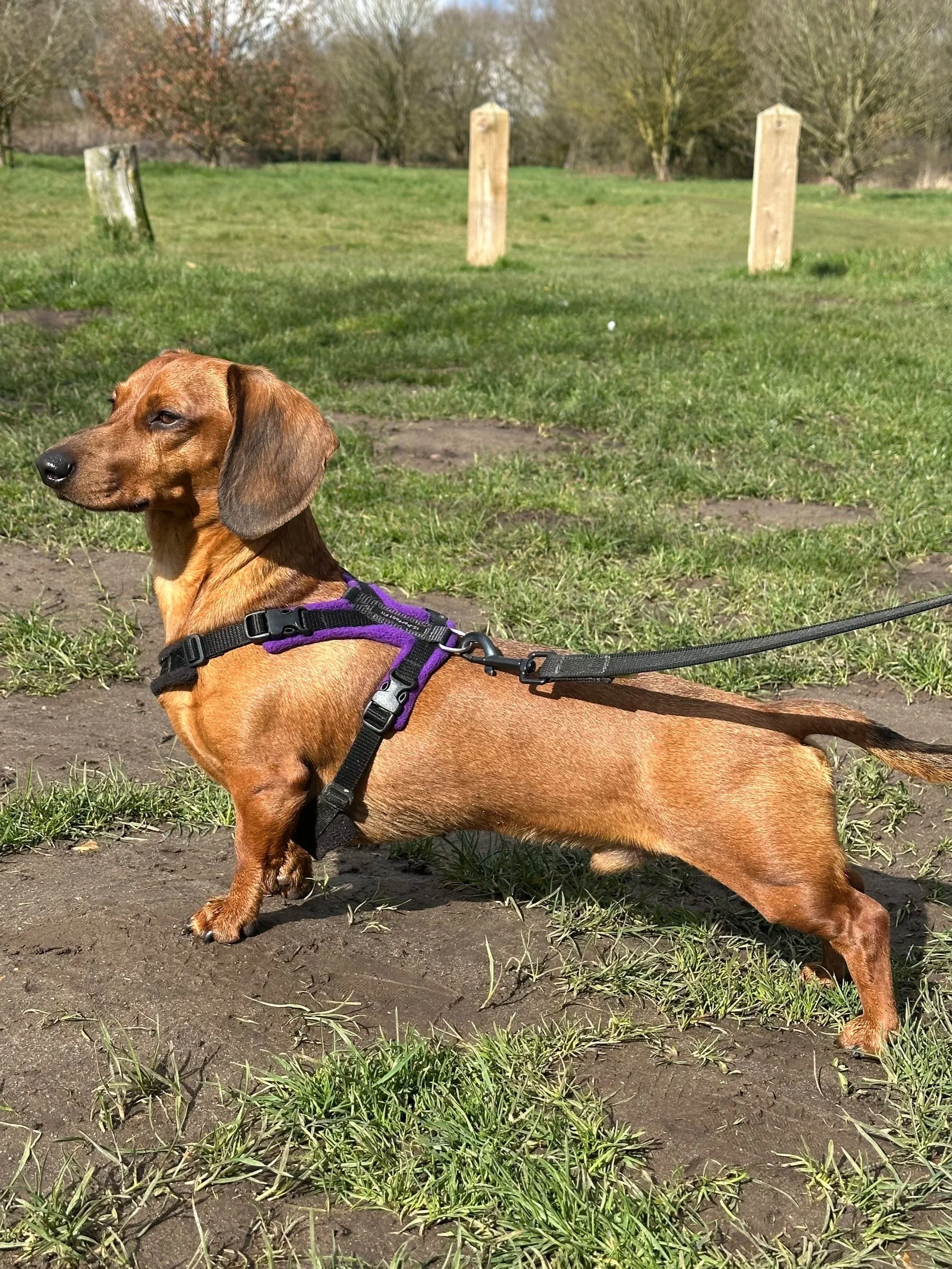
This dog may need more space or support
If you live with a reactive or easily overwhelmed dog, it’s completely natural to ask:
“Are we actually helping… or is my dog just holding it together?”
Many dogs can still walk, take treats and appear to be “doing fine”, while their nervous system is working very hard underneath.
Learning how to recognise genuine coping, not just compliance, is one of the most important parts of supporting a sensitive or reactive dog.
In this article, I’ll explain what coping really looks like during walks and how to spot when your dog may need more space, support or recovery time.
What does “coping” actually mean for a reactive dog?
Coping does not mean:
your dog never reacts
your dog looks calm all of the time
your dog can walk past everything without difficulty
Coping means your dog is able to:
notice what is happening around them
process information
stay emotionally regulated enough to make choices
and recover after challenges
In other words, your dog still feels the world – but they are not being overwhelmed by it.
Why behaviour alone doesn’t tell the full story
One of the biggest misunderstandings in reactivity work is assuming that:
“If my dog didn’t bark or lunge, they must be coping.”
Some dogs learn very quickly to suppress their behaviour, especially when they are unsure, worried or highly aroused.
That doesn’t necessarily mean they feel safer.
This is why I focus heavily on how a dog is experiencing the environment, not just what they do in it.
Signs your reactive dog is coping on walks
Here are some of the most useful, real-world indicators I look for during walks and training sessions.
1. Your dog can take in information and then disengage
A coping dog can:
look at a person, dog or movement
and then choose to look away again
You may notice small head turns, glances back to you, or a soft break in focus.
This ability to disengage is one of the clearest signs that the nervous system is staying flexible rather than locked into threat or frustration.
2. Their movement remains fluid rather than tense
Watch how your dog moves.
When a dog is coping you are more likely to see:
smoother walking
softer changes of direction
less rigid body posture
Dogs who are struggling often move in a more mechanical, hurried or stiff way, particularly as triggers approach.
3. Your dog is able to pause and process
Coping dogs are able to:
stop briefly
sniff
look around
and take in the environment
Those small pauses are not delays - they are information gathering and emotional regulation.
Rushing a sensitive dog through the environment can quietly remove one of their most important coping tools.
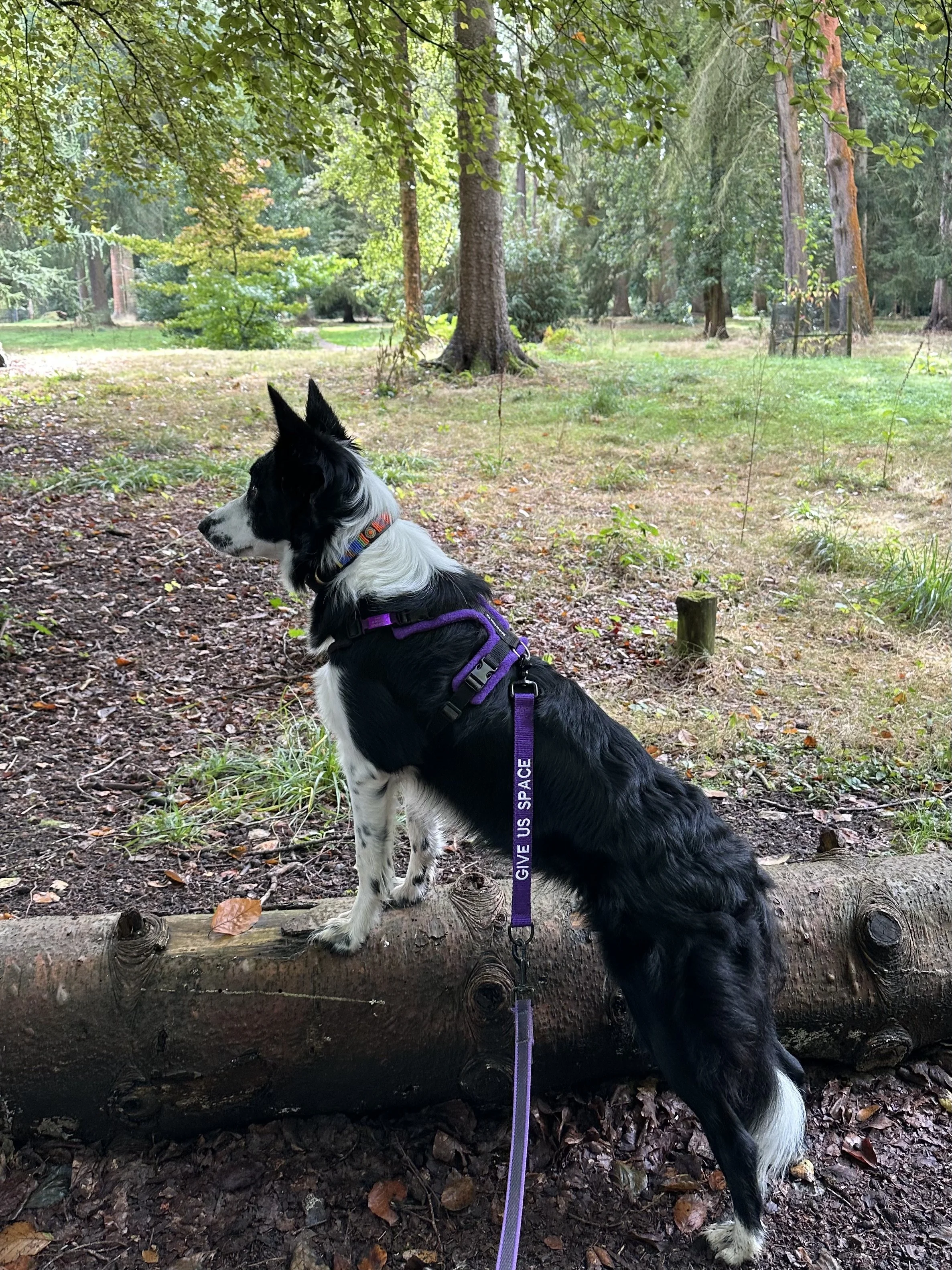
Brief pauses and taking in the environment….
4. They can respond to you without being pulled out of the moment
A coping dog may:
respond to their name
take a treat
or follow simple guidance
…but without snapping out of a highly charged emotional state.
If your dog takes food frantically, grabs, or immediately re-fixates on the environment, this can be a sign they are working very close to their limit.
5. Recovery after challenges is improving
One of the most important and most overlooked signs of coping is recovery.
After something difficult, a coping dog will:
settle more easily afterwards
return to baseline more quickly
show fewer lingering stress behaviours later in the day
Improvement in recovery often appears before big changes in behaviour on walks.
Signs your dog may not be coping as well as they appear
Your dog may look “better” on the surface, but still be struggling if you notice:
very intense scanning of the environment
difficulty settling after walks
increased irritability, restlessness or frustration at home
rising reactivity later in the walk rather than earlier
sudden explosions after long periods of apparent calm
These patterns often indicate that emotional load is quietly building.
Why the environment matters more than the exercise
A very common mistake in reactivity work is focusing only on what is practised, rather than where it is practised.
Some locations place far more demand on a dog’s nervous system than others.
Busy paths, open fields with off lead dogs, windy days, high visual movement and narrow spaces all increase environmental pressure.
A dog who copes beautifully in one location may struggle significantly in another – and that is not a training failure.
It is information.
Progress does not always look like “less reactivity”
Real progress often shows up as:
quicker emotional recovery
softer body language
fewer stress behaviours after walks
improved ability to disengage
greater confidence in pausing and observing
These changes build the foundation that allows behaviour to improve later.
Why I place such a strong emphasis on observation in my reactivity programme
At Walkies Dog Behaviour & Training, my reactivity support focuses on:
careful observation of each individual dog
how they move, pause and respond to the environment
and how much emotional load they are carrying from day to day
We work in suitable, supportive locations – including structured outdoor spaces and my private training paddock – so that dogs can learn and practise skills without being repeatedly overwhelmed.
This allows us to build real coping capacity rather than relying on avoidance or suppression.
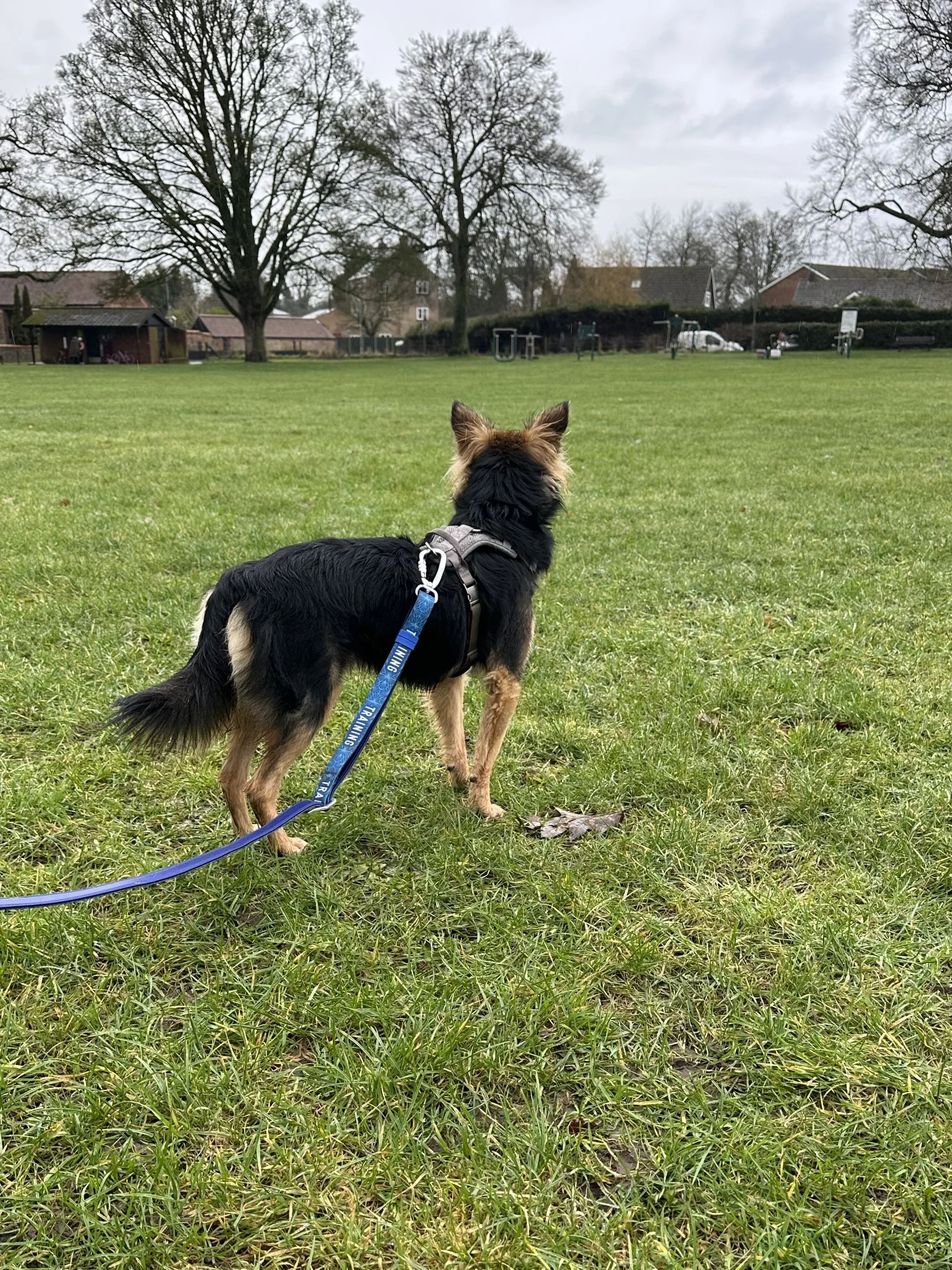
Working in suitable outdoor spaces so dogs can learn and practice new skills
A gentle reminder
If your dog is finding walks hard, it does not mean you are doing something wrong.
It means your dog is communicating their current limits.
Learning to recognise coping – and respecting those limits – is one of the most powerful ways you can support long-term emotional resilience.
Would you like support with your reactive dog?
If you’re unsure whether your dog is coping on walks, or you feel progress has stalled, my personalised reactivity programme supports dogs and their families across Norfolk and surrounding areas.
Structured, practical sessions tailored to your dog’s needs and emotional capacity.
You can find full details of my reactivity support here
Or you’re very welcome to get in touch for an informal chat about whether this type of support would be right for your dog
You may also find this blog helpful: why some dogs become reactive on walks
